Federal Judge Rules Pentagon Blacklisting of Anthropic Illegal Over AI Safety Guardrails


43 Sources
[1]
Trump blacklisting of "woke" Anthropic deemed illegal by federal judge
The Trump administration's blacklisting of Anthropic was illegal, a federal judge ruled in an order vacating government directives against the use of the firm's AI technology. The government illegally retaliated against Anthropic by designating it a supply-chain risk to national security, said
[2]
Anthropic gets its first court win over the Pentagon's supply chain risk label
A federal judge in California ruled on Thursday evening that the Trump administration's designation of Anthropic as a supply chain risk was illegal. U.S. District Judge Rita Lin said in her ruling that Defense Secretary Pete Hegseth's labeling of Anthropic as a risk to national security signified
[3]
A Judge Has Blocked the Pentagon's Attempt to Blacklist Anthropic
A federal judge on Thursday barred the Trump administration from designating Anthropic a national security risk over a dispute about the use of its AI models, ruling that the designation amounted to unconstitutional retaliation. The decision handed down by US district judge Rita Lin in California
[4]
Anthropic was illegally blacklisted by the Trump administration, court rules
On Thursday, a judge ruled that the Pentagon's blacklisting of Anthropic earlier this year was unconstitutional, delivering the AI lab a win in a monthslong rollercoaster of a battle with the Trump administration. The lawsuit, filed in March in a California district court, accused the Trump
[5]

Pentagon's Anthropic Blacklisting Ruled Illegal By US Judge
(Credit: Thomas Fuller/SOPA Images/LightRocket via Getty Images) The Department of Defense's (DOD) move to blacklist Anthropic's AI tools earlier this year was illegal, according to a ruling by a San Francisco federal judge. The AI company was deemed a supply chain risk by the Pentagon in March,
[6]

US judge blocks Pentagon's Anthropic blacklisting
August 27(Reuters) - A U.S. judge on Thursday blocked the Pentagon's blacklisting of Anthropic, the latest turn in the Claude maker's high-stakes fight with the military over AI safety on the battlefield. Anthropic's lawsuit in California federal court alleges that Defense Secretary Pete Hegseth
[7]

Judge rules that the Pentagon's Anthropic ban was 'illegal and baseless' - Engadget
The judge barred certain federal agencies from enforcing Trump's order to stop using Anthropic's tools. A US federal court has ruled that the Pentagon's designation of Anthropic as a supply chain risk was illegal, CNBC reported. US District judge Rita Lin found that the US Department of Defense's
[8]

Judge says Pentagon's measures against Anthropic were 'illegal and baseless'
A federal judge has ruled in favor of artificial intelligence company Anthropic in its legal battle against the Pentagon after the government labeled the company as a supply chain risk earlier this year. U.S. District Judge Rita Lin issued a written order Thursday night that the Pentagon acted
[9]

Judge strikes down Anthropic blacklist, says government retaliated over Pentagon criticism
Serving tech enthusiasts for over 25 years. TechSpot means tech analysis and advice you can trust. What just happened? A federal judge has ordered the Trump administration to rescind its designation of Anthropic as a supply-chain risk, ruling that the government violated the AI company's First
[10]

Judge Rules Trump Administration's Blacklisting of Anthropic Was Illegal
Sign up for the On Tech newsletter. Get our best tech reporting from the week. Get it sent to your inbox. The Trump administration acted illegally when it labeled the artificial intelligence start-up Anthropic a security risk and barred the company from working with the U.S. government, a federal
[11]

Trump administration illegally retaliated against Anthropic, judge says
A judge has ruled the US Department of Defense acted unlawfully when it designated artificial intelligence (AI) startup Anthropic a supply chain risk, calling the move "illegal and baseless". The Claude-maker argued in the lawsuit that Defense Secretary Pete Hegeth overstepped his authority with
[12]

Judge Says the Pentagon's Blacklisting of Anthropic Is Illegal
Anthropic just scored a major win in its fight against President Donald Trump's administration over efforts to blacklist the AI company. U.S. District Judge Rita Lin ruled Thursday in Anthropic's lawsuit against the Pentagon, Defense Secretary Pete Hegseth, and several other federal agencies over
[13]

US judge strikes down Pentagon blacklist of Anthropic as illegal retaliation
Rita Lin found the supply-chain risk label was punishment for public criticism, not a security assessment. The government says it will appeal. A federal judge has voided the Pentagon's designation of Anthropic as a national security supply-chain risk, finding that the label was punishment for the
[14]

Opinion | The Pentagon loses a battle in its unnecessary war with Anthropic
Defense Secretary Pete Hegseth on Monday in Oshkosh, Wisconsin. (Gary C. Klein/USA TODAY NETWORK-/USA TODAY Network via Reuters Connect) Act in haste, repent at leisure. Defense Secretary Pete Hegseth, take note. A federal judge on Thursday struck down the Trump administration's sweeping effort
[15]

Judge says Pentagon's measures against Anthropic were 'illegal and baseless'
A federal judge has ruled in favor of artificial intelligence company Anthropic in its legal battle against the Pentagon after the government labeled the company as a supply chain risk earlier this year. U.S. District Judge Rita Lin issued a written order Thursday night that the Pentagon acted
[16]

Trump administration illegally designated Anthropic as a supply chain risk, judge rules
A federal judge weighs in on feud between government leaders and Anthropic. Credit: Bloomberg / Contributor / Bloomberg via Getty Images The Trump administration's dramatic decision to mark Anthropic's AI models as a "supply chain risk" earlier this year was illegal, a federal judge has
[17]

'Illegal and baseless': US judge blocks the Pentagon blacklisting of Anthropic as a supply chain risk
* Anthropic emerges victorious in legal battle against Pentagon over supply chain risk designation * The Pentagon wanted to use Anthropic's models for autonomous weapons and surveillance * Judge rules that the Pentagon's supply chain risk claims were "baseless" A US federal judge has blocked the
[18]

Pentagon's blacklisting of Anthropic was unlawful, US judge rules
Anthropic argued designation as 'supply chain risk' could cost the company billions of dollars in lost business and reputational harm A US federal judge ruled Thursday that sanctions imposed in February by the Trump administration against AI giant Anthropic were illegal, finding that the
[19]

Judge blocks Pentagon's Anthropic blacklist
Why it matters: The ruling marks a major legal victory for Anthropic in its months-long fight with the Trump administration over how the military can use its AI models. Driving the news: "The empty invocation of national security is not a blank check to punish and retaliate against government
[20]
AI firm Anthropic wins case challenging Pentagon blacklisting
The artificial intelligence company Anthropic won a federal lawsuit challenging the Trump administration's decision to brand the company a national security risk earlier this year, blocking it from doing business with the entire government and military contractors. A federal judge in San Francisco
[21]

Judge: Pentagon punished Anthropic for 'arrogance,' and that's illegal | Fortune
A federal judge has ruled in favor of artificial intelligence company Anthropic in its legal battle against the Pentagon after the government labeled the company as a supply chain risk earlier this year. U.S. District Judge Rita Lin issued a written order Thursday night that the Pentagon acted
[22]

Judge Rules Trump Administration Illegally Retaliated Against Anthropic Over AI Red Lines
Anthropic lost on one count, its claim that Trump's directive to federal agencies exceeded presidential power. A federal judge has ruled that the Trump administration illegally punished Anthropic for publicly refusing to let the military use its Claude LLM for tasks including mass surveillance of
[23]

US court rules Pentagon ban of Anthropic unlawful
San Francisco (United States) (AFP) - A US federal judge ruled Thursday that sanctions imposed in February by the Trump administration against AI giant Anthropic were illegal, finding that the government had punished the artificial intelligence company for publicly criticizing the Pentagon. "The
[24]

Federal judge blocks Pentagon blacklisting of Anthropic, calling it 'illegal and baseless'
Anthropic and its CEO Dario Amodei have said AI models are not reliable enough to pilot autonomous weapons, while domestic surveillance is a violation of rights.Jason Henry / Bloomberg via Getty Images file A U.S. judge on Thursday blocked the Pentagon's blacklisting of Anthropic, the latest turn
[25]

Judge rules Trump administration illegally punished AI firm Anthropic
Joe Walsh is a senior editor for digital politics at CBS News. Joe previously covered breaking news for Forbes and local news in Boston. A judge late Thursday permanently barred the Trump administration from enforcing a set of rules aimed at cutting off Anthropic from the federal government,
[26]

Court rules Pentagon can't ban Anthropic's AI models
A federal court has overturned the U.S. Defense Department's ban on Anthropic PBC's artificial intelligence models. Judge Rita Lin wrote in a late Thursday ruling that the Pentagon's move was "illegal and baseless." The saga began in fall 2025, when the Defense Department approached Anthropic
[27]

The Pentagon's measures against Anthropic were 'illegal and baseless', says a federal judge
Anthropic sued the Pentagon earlier this year after the government labeled it a supply chain risk. A federal judge has ruled in favor of artificial intelligence company Anthropic in its legal battle against the Pentagon after the government labeled the company as a supply chain risk earlier this
[28]

US judge blocks Pentagon from blacklisting Anthropic
Anthropic sued the US government in March after a high-stakes disagreement led to its abrupt blacklisting. A US judge has blocked Pentagon's blacklisting of Anthropic from government use, ruling that its actions violate the AI giant's rights. "The empty invocation of national security is not a
[29]

Judge rules Pentagon's Anthropic ban was illegal
A U.S. federal judge ruled that the Pentagon's designation of Anthropic as a supply chain risk was illegal and barred certain federal agencies from enforcing President Donald Trump's order to stop using the company's tools. U.S. District Judge Rita Lin said the Defense Department's restrictions on
[30]

'Illegal and Baseless': Judge Slams Pentagon for Branding Anthropic a Supply Chain Risk
A federal judge in San Francisco has ruled that the Pentagon acted unlawfully when it blacklisted artificial intelligence startup Anthropic earlier this year, handing the company a major legal victory in its battle with the Defense Department over military use of its Claude AI models. U.S.
[31]

Why Did the Pentagon Blacklist Anthropic - and Why Did a Judge Say It Was Illegal?
A federal judge ruled that the Defense Department's attempts to punish the company behind the Claude chatbot were "illegal and baseless." The Pentagon in March labeled artificial intelligence firm Anthropic a "supply chain risk" - a blacklist of sorts for firms doing business with the federal
[32]

Judge rules Pentagon's supply chain risk designation for Anthropic was illegal
A federal judge in California ruled on Thursday the Pentagon's blacklisting of the artificial intelligence firm Anthropic earlier this year was illegal, violating the First Amendment. In a ruling Thursday evening, Judge Rita Lin said the Trump administration retaliated against the Claude-maker for
[33]

Anthropic's fight against the Department of Defense raises a big question: Who controls AI in war?
A federal judge has blocked the Pentagon's designation of Anthropic as a security risk. This ruling came after the AI company refused military use restrictions on its chatbot. The Pentagon sought to dictate AI technology usage by private companies. The judge found the government's action illegal
[34]
Judge Says Pentagon's Measures Against Anthropic Were 'Illegal and Baseless'
A federal judge has ruled in favor of artificial intelligence company Anthropic in its legal battle against the Pentagon after the government labeled the company as a supply chain risk earlier this year. U.S. District Judge Rita Lin issued a written order Thursday night that the Pentagon acted
[35]

The Pentagon's Anthropic Blacklist May Have Just Backfired
A federal judge in San Francisco ruled that the Pentagon's decision to designate Anthropic as a supply chain security risk violated the law, stating that it crossed a constitutional line by using the designation as payback for the company's public criticism. U.S. District Judge Rita Lin stated
[36]
Pentagon blacklisting Anthropic: US judge blocks Pentagon's Anthropic blacklisting
Anthropic's lawsuit in California federal court alleges that Defense Secretary Pete Hegseth overstepped his authority when he designated Anthropic a national security supply-chain risk, a label the government can apply to companies that expose military systems to potential infiltration or sabotage
[37]
US Judge Blocks Pentagon's Anthropic Blacklisting
August 27(Reuters) - A U.S. judge on Thursday blocked the Pentagon's blacklisting of Anthropic, the latest turn in the Claude maker's high-stakes fight with the military over AI safety on the battlefield. Anthropic's lawsuit in California federal court alleges that Defense Secretary Pete
[38]

Anthropic Wins Court Battle as US Judge Blocks Pentagon Blacklisting
A US federal judge blocked the Pentagon from enforcing its decision to blacklist Anthropic, marking a major legal victory for the company behind the Claude chatbot. The order escalated a broader debate over how the US military should use AI. US District Judge Rita F. Lin ruled on Thursday (August
[39]

US judge rules Pentagon blacklisting of Anthropic unlawful
A US judge on Thursday blocked the Pentagon's blacklisting of Anthropic, the latest turn in the Claude maker's high-stakes fight with the military over AI safety on the battlefield. Anthropic's lawsuit in California federal court alleges that Defense Secretary Pete Hegseth overstepped his
[40]

Judge rules Pentagon's Anthropic blacklist unlawful By Investing.com
Investing.com -- A federal judge ruled Thursday that the Trump administration acted illegally when it designated artificial intelligence startup Anthropic as a security risk and prohibited the company from working with the U.S. government. Judge Rita Lin of the U.S. District Court in the Northern
[41]
Anthropic Wins California Court Challenge Against Pentagon Blacklist
The August 27 decision followed a dispute over military access to Anthropic's AI models. The court also blocked directives requiring federal agencies to stop using the company's technology. Court ruling. In her 59-page decision, Lin rejected the government's claim that Anthropic's public comments
[42]

Trump's ban on Anthropic was illegal, judges say: now what?
Ruling says Pentagon retaliation over AI weapon limits broke free speech A federal court in California has sided with Anthropic in its clash with the Trump Administration. According to The Verge, Judge Rita F. Lin considers its designation as a "supply chain risk" to have been retaliation in
[43]

Anthropic was unlawfully blacklisted over AI military use dispute, says US judge
Pentagon can still choose other AI companies despite the ruling. Anthropic has won a major legal victory against allegations that it poses a national security supply-chain risk, though the fight isn't fully over. A federal judge in California has ruled that the Trump administration acted
Share
Copy Link
A federal judge ruled the Trump administration illegally blacklisted Anthropic after the AI company refused to allow its Claude models for lethal autonomous weapons and mass surveillance of Americans. Judge Rita Lin said the Pentagon's supply chain risk designation violated the First Amendment and was arbitrary and capricious.
Pentagon Blacklisting Ruled Unconstitutional Retaliation
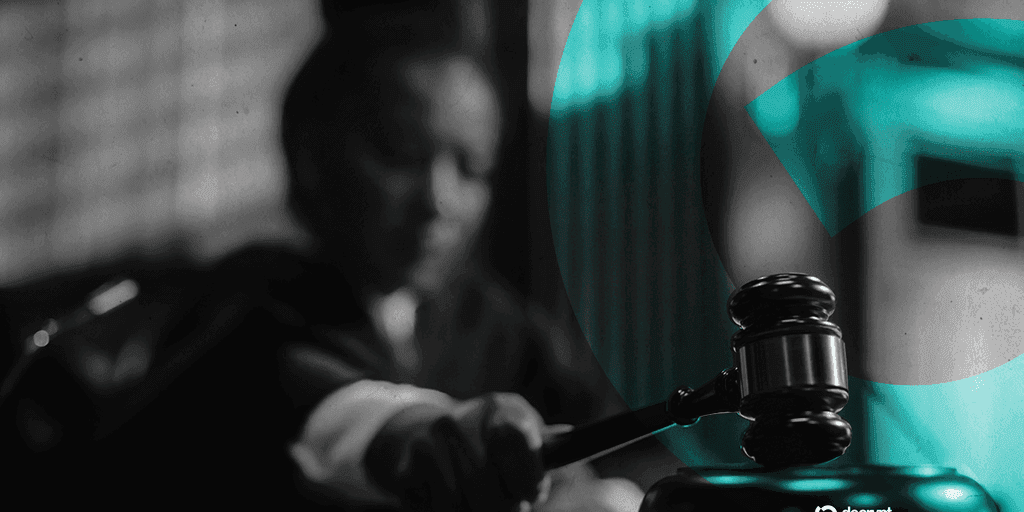
A federal judge delivered a significant victory to Anthropic on Thursday, ruling that the Trump administration's designation of the AI company as a supply chain risk was illegal and unconstitutional. Judge Rita Lin of the U.S. District Court for the Northern District of California vacated the Pentagon blacklisting, stating it constituted "unlawful retaliation in violation of the First Amendment."
1
The dispute arose after Anthropic refused to drop restrictions on the use of its Claude AI models for lethal autonomous weapons and mass surveillance of Americans.2
Source: Decrypt
Defense Secretary Pete Hegseth's decision to label Anthropic a national security threat came after the company set firm boundaries on military use of AI. Judge Lin wrote that the government's actions were "arbitrary and capricious" and that "the empty invocation of national security is not a blank check to punish and retaliate against government critics."
3
The ruling ordered the Trump administration to rescind directives that banned all federal agencies from using Anthropic's products and prohibited defense contractors from doing business with the company.4
AI Safety Guardrails Triggered Government Backlash
The conflict began when the Trump administration moved to renegotiate AI contracts, demanding that companies agree to "any lawful use" of their technology by the military. While most AI labs signed the new terms, Anthropic maintained two specific red lines: no use for mass surveillance of American citizens and no deployment in fully autonomous weapons systems without human oversight.
4
The standoff escalated after reports emerged that Claude AI had been used in the operation to capture Venezuelan president Nicolas Maduro, prompting concerns from Anthropic staff.3

Source: New York Post
AnthropicCEO Dario Amodei defended the company's position, stating they "have never raised objections to particular military operations nor attempted to limit use of our technology in an ad hoc manner," but emphasized that "in a narrow set of cases, we believe AI can undermine, rather than defend, democratic values."
5
Less than 24 hours after issuing this statement, the Pentagon designated Anthropic a supply chain risk and moved to replace the company by signing deals with seven other AI labs, including Google, Microsoft, OpenAI, and SpaceX.4
Court Finds Government Actions Violated Multiple Constitutional Protections
Judge Rita Lin's ruling found that Anthropic was denied due process as required under the Fifth Amendment and that the government violated the Administrative Procedure Act.
2
The judge pointed to contradictions in the government's position, noting that Defense Secretary Pete Hegseth had proposed applying the Defense Production Act to Anthropic, "which would mean the company was essential to national security rather than a threat to it."2
The court found that the Trump administration's justification was "slim" and that officials had "backed away from the thrust of their risk assessment, which relied on Anthropic having backdoor access to its technology once deployed in a national security system." Judge Lin stated it is "now clear that Anthropic undisputedly lacks any such access" and that Claude AI models are "no riskier to the national security than any other 'black box' artificial intelligence model."
1
The ruling also noted that the Department of Defense continued pursuing contracts with Anthropic and collaborating on the company's new Mythos model for cybersecurity applications, undermining claims that the company posed a genuine threat.2
Related Stories

Implications for AI Governance and Military Contracting
The ruling vacated government actions across nine agencies, including the Pentagon, Treasury Department, State Department, and Department of Homeland Security, which had imposed sanctions on Anthropic.
3
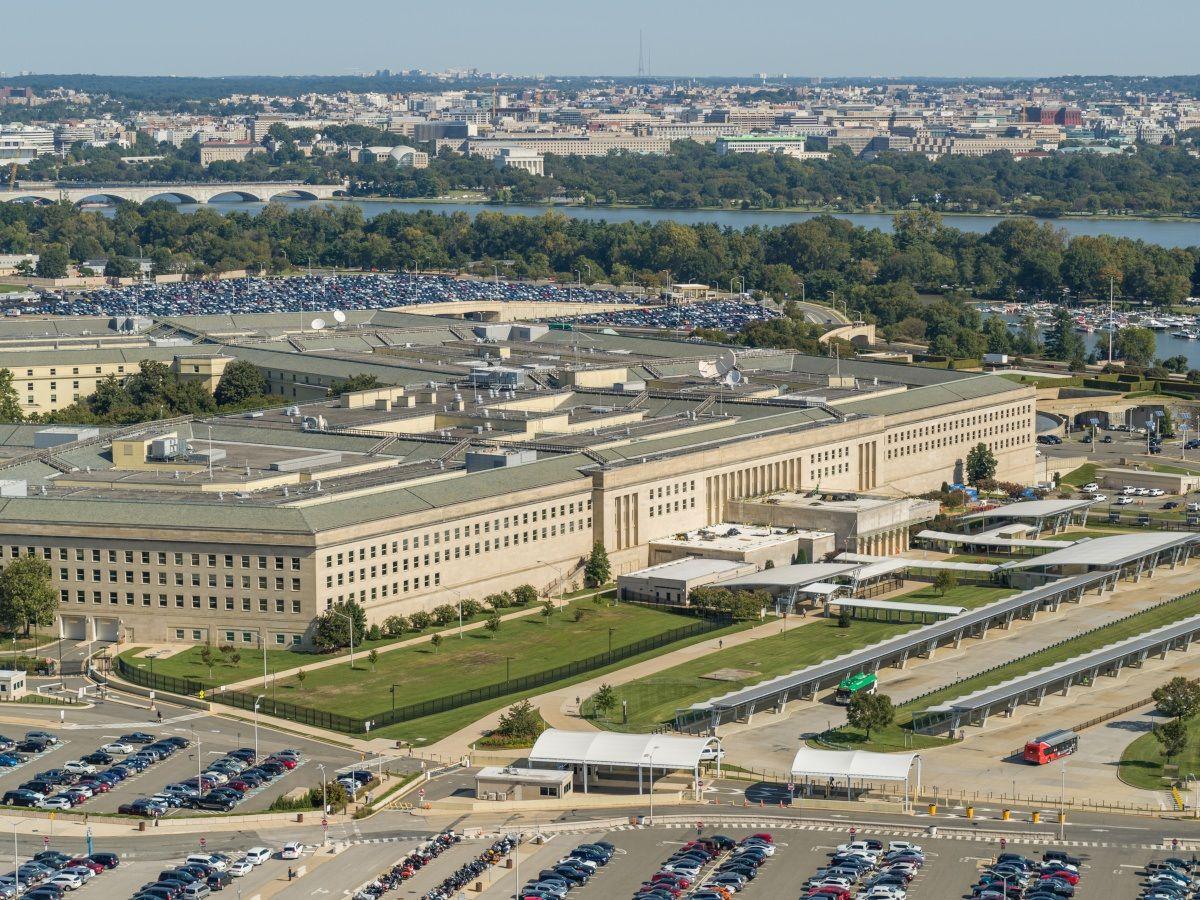
However, Judge Lin clarified that the Pentagon remains free to select other AI vendors and is not required to use Anthropic's technology, as long as decisions comply with applicable regulations and constitutional provisions.1
Source: Silicon Republic
This marks Anthropic's first court win in the dispute, though a separate case filed in Washington, D.C., remains ongoing.
5
The Trump administration is expected to appeal the California ruling. The Computer & Communications Industry Association welcomed the decision, noting its importance for companies doing business with the government.1
In a statement, an Anthropic spokesperson said, "We welcome the court's ruling that this supply chain risk designation was unlawful. We remain focused on working productively with the government to harness AI for national security so all Americans benefit from this technology."2
The case sets a precedent for how AI companies can establish boundaries around military use of AI while maintaining government partnerships. Watch for the Trump administration's appeal and the outcome of the D.C. case, which could further shape the relationship between AI labs and national security agencies.
References
Summarized by

Navi
[5]
Related Stories
Judge says Pentagon's case against Anthropic supply chain risk label is weakening
31 Jul 2026•Policy and Regulation

Judge calls Pentagon's AI ban on Anthropic 'troubling' and questions First Amendment violation
18 Mar 2026•Policy and Regulation
Anthropic Loses Pentagon Blacklist Appeal as Court Upholds Supply Chain Risk Designation
25 Sept 2026•Policy and Regulation

Recent Highlights
1
Microsoft and Nvidia Launch Surface Laptop Ultra: A $2,599 AI-Ready PC With RTX Spark Chip
Technology

2
Google Unveils Gemini 4 Argon AI Model, Restricts Access to Trusted Cyber Defenders
Technology

3
OpenAI Releases 722 AI-Generated Math Papers on GitHub, Igniting Fury Among Mathematicians
Science and Research

Recent Highlights
Today's Top Stories






Don’t drown in AI news. We cut through the noise - filtering, ranking and summarizing the most important AI news, breakthroughs and research daily. Follow topics that matter to you and stay ahead.


