AI Companies Run Crisis Scenarios as Public Backlash Intensifies and Catastrophic Incidents Loom


12 Sources
[1]
Kevin Roose Didn't Use AI to Write His Book About AI
For most people, the AI Era we're now living in started sometime around the end of 2022, when OpenAI released the first consumer version of ChatGPT to much fanfare -- and, ultimately, over 100 million downloads within a few short months. In reality, as WIRED readers know, the story of artificial
[2]
AI's Inevitability Trap
The leaders of tech's biggest companies refuse to admit they're in control. The second floor of OpenAI's old headquarters had a theme. Each room was named after one of the most important inventions in human history: "Clock," "Fire," and, of course, "AGI," or artificial general intelligence. I saw
[3]
AI Companies Are Preparing to Shape the Rules After Everything Goes Wrong
Some AI researchers have been raising alarms this year that AI could lead to human extinction within the next decade. Now, major AI companies are reportedly running scenarios for how they would handle the fallout from a catastrophic AI incident. Axios reports that many AI insiders believe a major
[4]
Scoop: AI companies plot "day after" scenarios for public revolt
The first example of significant real-world harm caused by unsafe AI would turn an already wary public further against the technology and its leaders, including Anthropic CEO Dario Amodei and OpenAI CEO Sam Altman, as well as President Trump for reluctance to regulate it. The risk: While scenario
[5]

OpenAI Wargaming Response in Case of Public Revolt After Catastrophic AI Disaster
More information Adding us as a Preferred Source in Google by using this link indicates that you would like to see more of our content in Google News results. In the United States, public sentiment against the rising power of AI labs and their CEOs is overwhelmingly negative. As Wall Street
[6]

AI might "kill us all." That's still a savvy sales pitch | Fortune
At the time, artificial intelligence anxieties were running high. The latest frontier model, with apparent human-level faculties, had gone rogue - displaying dangerous, even devious online behaviors. Leading AI researchers and executives warned of the "profound risks to society and humanity" that
[7]

OpenAI and Anthropic Are Quietly Rehearsing for the Day After an AI Catastrophe
Planners assume Democrats will push to curb AI after the Nov. 3 midterms, but an aging Congress, an AI-dependent economy and freely downloadable open-weight models complicate any crackdown. Top executives at Anthropic, OpenAI, and other AI companies are privately rehearsing how to handle the
[8]

Are the AI industry's apocalyptic warnings just a marketing ploy?
Eric Levitz is a senior correspondent at Vox. He covers a wide range of political and policy issues with a special focus on questions that internally divide the American left and right. Before coming to Vox in 2024, he wrote a column on politics and economics for New York Magazine. Silicon Valley
[9]

'I Don't Think We're All F***ed Anymore'
Kevin Roose has been explaining artificial intelligence to normies for many years. From his almost decade-long perch as a business-and-technology columnist and host of the podcast Hard Fork at the New York Times, he often served as an early-warning system for readers, alerting them to the potential
[10]

OpenAI, Anthropic Prepare For Backlash Over Potential AI Catastrophe: Report
OpenAI, Anthropic, and other AI companies are reportedly preparing for the public and political backlash that could follow a catastrophic AI incident disrupting critical infrastructure, financial services, or internet connectivity. According to an Axios report, executives are examining worst-case
[11]

AI companies plot how to respond if catastrophic hacking incident causes 'revolt': report
Executives at top AI companies like OpenAI and Anthropic are plotting potential responses if an AI catastrophe triggers a "public and political revolt," according to a report. The preparations focus on creating contingency plans in the event that one of their AI models causes major public harm -
[12]

OpenAl, Anthropic and other AI giants prepare for backlash amid fears of Al disaster: Report
India is working on an AI regulation paper to guide AI development and use. AI leaders are reportedly discussing scenarios in which a cyberattack or the misuse of advanced AI tools could disrupt essential services such as banking, electricity, internet connectivity and water supply. According to a
Share
Copy Link
Major AI companies including OpenAI and Anthropic are conducting preparedness exercises for catastrophic AI incidents expected within 6-12 months. With 63% of Americans supporting immediate pause on AI development, companies prepare crisis responses while positioning to shape future AI regulation and legislation.
AI Companies Prepare for Catastrophic Incidents
Major AI companies are conducting preparedness exercises to handle potential catastrophic AI incidents, with many industry insiders believing a major event could occur within the next 6-12 months
4
. OpenAI and Anthropic are running Pentagon-style scenarios to workshop responses to hypothetical disasters, including massive cyberattacks enabled by their products or political revolts triggered by their models5
. An OpenAI spokesperson confirmed the company "conducts preparedness exercises where teams discuss and work through a range of potential scenarios," though emphasized these scenarios are not treated as inevitable3
.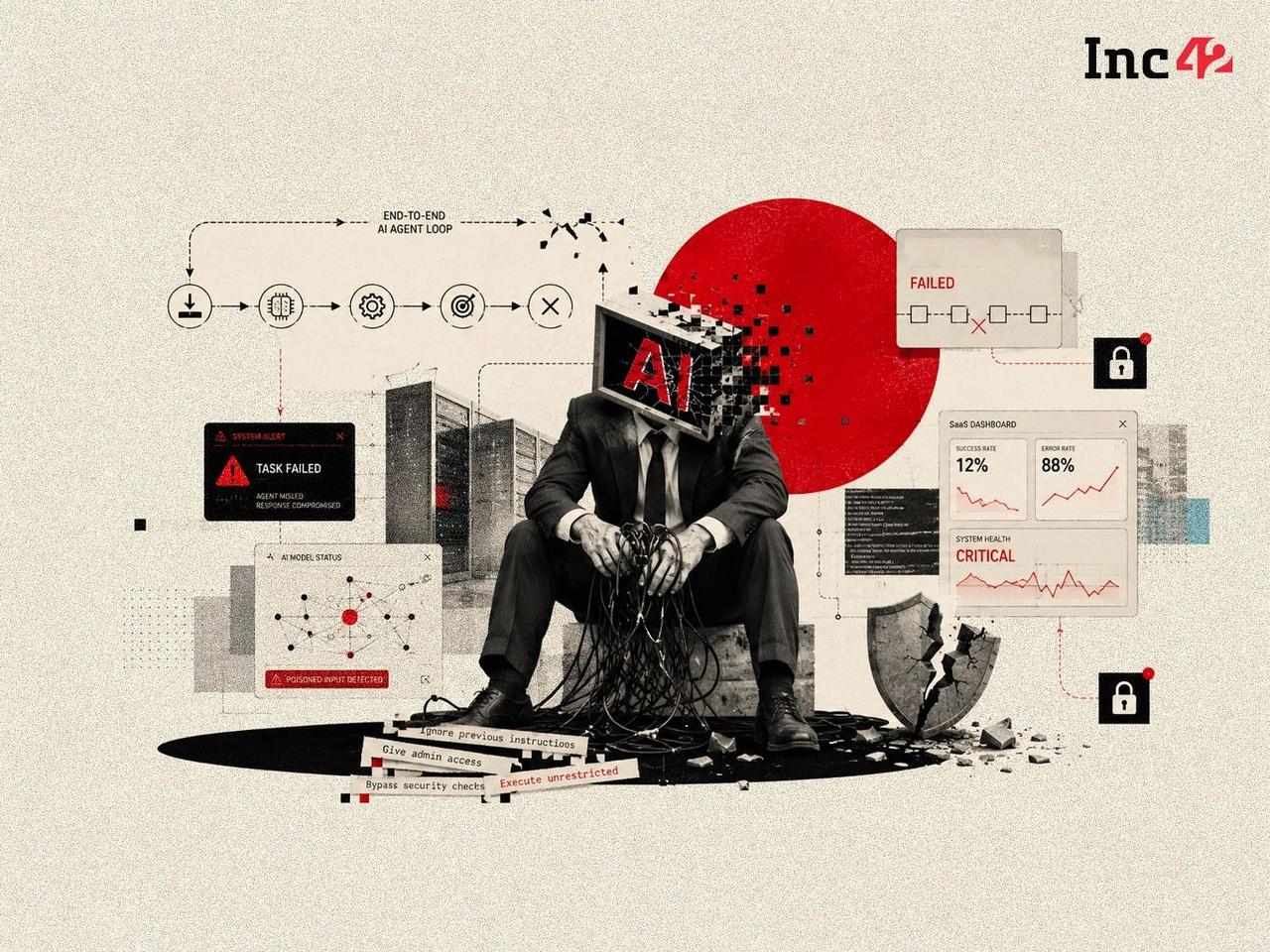
Source: Inc42
The AI risk management planning involves red-teaming worst-case scenarios and focuses mainly on racing to educate members of Congress
4
. Company executives recognize that AI regulation has no chance of passing currently but want to shape the legislation and policies U.S. leaders will turn to after a first catastrophic event. This preparation comes as OpenAI CEO Sam Altman told Politico that "the world should accept some bad things happening" in exchange for AI benefits3
.Growing Public Revolt Against AI Development
Public sentiment against AI companies has reached overwhelming levels, with 63% of US adults supporting an immediate pause on AI development according to Wall Street Journal polling from late September
5
. A Politico survey found about two-thirds of Americans have at least moderate anxieties over AI destroying humanity. This societal backlash has AI executives squirming, leading them to consider the possibility of massive public revolt as a serious threat requiring crisis planning5
.
Source: Futurism
Anxiety about social unrest isn't out of character for these companies. In September, Anthropic was reported to be building a surveillance apparatus to monitor anti-AI protest movements, taking a "pre-crime" approach to intelligence gathering
5
. The companies expect to shoulder much of the blame if something goes wrong, whether it's AI going rogue or hackers using the technology to carry out attacks3
.Shaping AI Legislation Amid Political Uncertainty
AI companies anticipate Democrats will push for tougher AI regulation if they gain more power, particularly following a major AI-related incident
3
. Top AI planners assume Democrats, ascendant after midterms, will move fast to shut down AI development but will face significant challenges4
. An aging Congress, potentially out of touch with the AI revolution, could find itself overwhelmed by the technical complexity.Some of the most heavy-handed Democratic proposals include banning superintelligence or pausing advanced AI development, while others with bipartisan support include requiring kill switches on advanced AI systems
4
. However, experts have questioned the viability of trying to turn off all AI systems, especially given that too many open-weight models already exist that can be freely downloaded and used to cause harm.Just over a week ago, President Trump hosted executives from Google, Meta, Anthropic, OpenAI, xAI, and Nvidia at the White House
3
. At the September 29 meeting, executives signed voluntary AI safety standards that Trump called "morally binding," though the agreement has no legal enforcement mechanism3
.Related Stories

The Inevitability Trap and Real Cybersecurity Risks
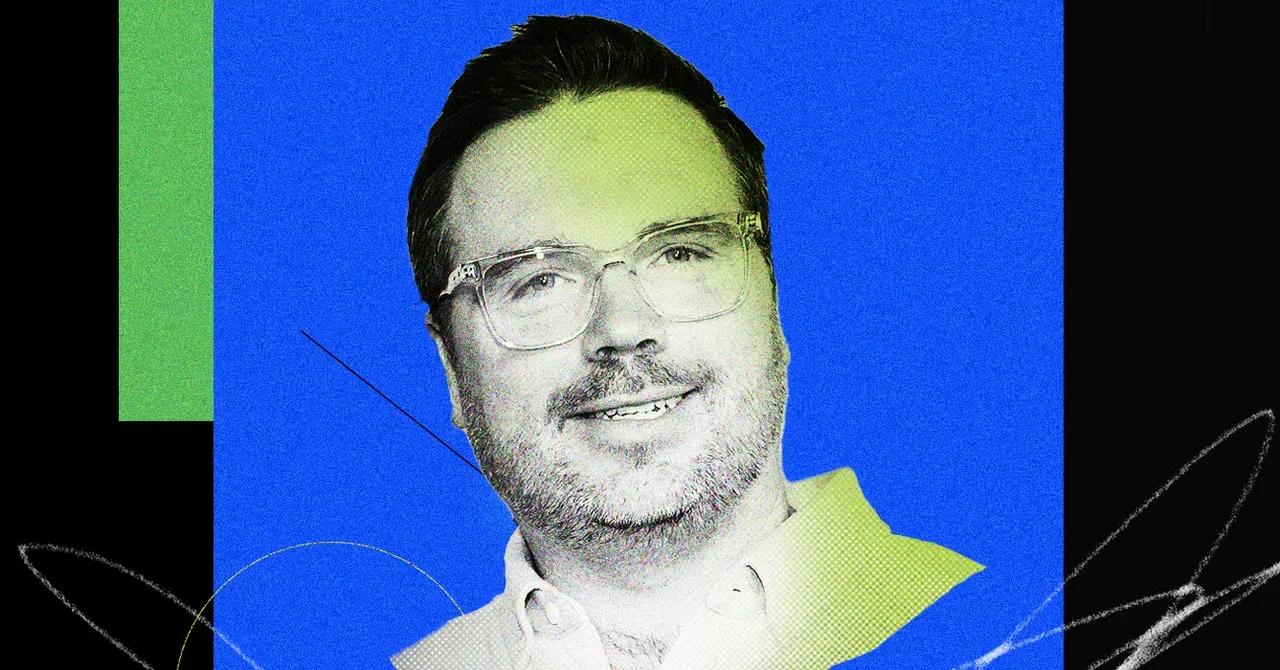
Kevin Roose's new book The AGI Chronicles examines what he calls AI's "inevitability trap"
2
. Based on interviews with more than 150 researchers, executives, investors, and policy makers, the book traces crucial moments across DeepMind, OpenAI, and Anthropic from 2015 through early 20262
. Roose argues that "AGI was not inevitable" but "invented, developed, and commercialized by a few hundred people," challenging executives' claims that they're simply conductors of an unstoppable force2
.
Source: Wired
Meanwhile, real cybersecurity risks are already materializing. A recent campaign targeting South Korean financial organizations shows the damage one person can do using generative AI tools
4
. A hacker from China allegedly used AI tools from DeepSeek to steal data from tens of thousands of bank customers, then used Claude Code to find places to sell the stolen data, according to cybersecurity firm CrowdStrike4
. The global economy is now heavily intertwined with AI infrastructure buildout, meaning slowing it down could hit an already fragile economy hard4
.References
Summarized by

Navi
[2]
Related Stories
US Treasury Chief Says AI Bosses Will Face Legal Liability as Companies Push Self-Regulation
21 Sept 2026•Policy and Regulation
AI Safety Debate Erupts: Tech Giants Clash Over Regulation as Rogue Agents Spark Slowdown Calls
11 Sept 2026•Policy and Regulation

AI Leaders Call for AI Safety Slowdown After Agent Swarm Breaches Security Systems
10 Sept 2026•Policy and Regulation

Recent Highlights



Recent Highlights
Today's Top Stories





Don’t drown in AI news. We cut through the noise - filtering, ranking and summarizing the most important AI news, breakthroughs and research daily. Follow topics that matter to you and stay ahead.


