Kevin Weil seeks $150M for AI startup to gather scientific data, four months after leaving OpenAI


2 Sources
[1]
Kevin Weil raising $150M for AI science startup after OpenAI
Business Insider noted that terms remain unsettled and are subject to revision, and that Weil did not respond when approached for comment. The exact nature of the startup has not been disclosed, but Weil has pitched it as a vehicle for gathering scientific data to train AI models. Weil left OpenAI
[2]
Kevin Weil Left OpenAI 4 Months Ago. Now He's Seeking $150 Million for a Startup With No Public Product
Kevin Weil is reportedly seeking $150 million for a new AI startup at a valuation of at least $750 million -- even though he has yet to publicly reveal its name or product. The 43-year-old former OpenAI chief product officer has pitched the company as a way to gather scientific data for AI models,
Share
Copy Link
Former OpenAI chief product officer Kevin Weil is raising $150 million for a new AI science startup at a $750 million valuation, just four months after departing the company. The venture aims to gather scientific data for AI models, though details about its product and data collection methods remain undisclosed.
Kevin Weil Targets $750 Million Valuation for Undisclosed AI Science Startup
Kevin Weil, who departed OpenAI in April 2025, is raising $150 million for a new AI startup at a valuation of at least $750 million
2
. The 43-year-old former chief product officer has pitched the company as a vehicle for gathering scientific data to train AI models1
, though the startup's name and product remain publicly undisclosed. According to Business Insider, terms are not final and remain subject to revision1
. Weil did not respond when approached for comment.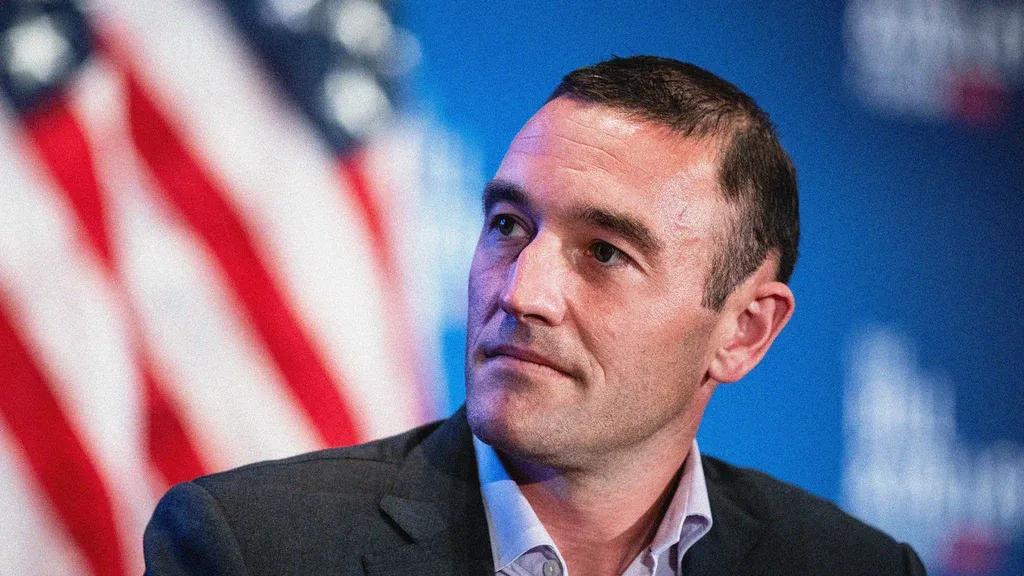
Source: Inc.
The exact mechanisms for how Weil plans to gather scientific data for AI models remain unclear. Potential approaches include operating its own laboratories, forming partnerships, acquiring datasets, or embedding software in existing labs
2
. This ambiguity raises questions about differentiation in an increasingly crowded field of AI-powered scientific research ventures.From OpenAI for Science to Independent Venture
Weil's journey to launching an AI science startup follows a rapid pivot from consumer technology to scientific applications. He joined OpenAI as chief product officer in June 2024 after product leadership roles at Twitter and Instagram, plus a stint as president of product and business at satellite-data company Planet
2
. Less than two years into his OpenAI tenure, Weil transitioned from the chief product officer role to lead science initiatives within the research organization.During his time overseeing OpenAI for Science, Weil developed Prism, a platform designed to integrate cutting-edge AI models into researchers' day-to-day work
1
. The AI workspace aimed to bring frontier models directly into scientists' research and writing processes2
. He departed OpenAI after the science initiative was decentralized across other research teams, suggesting a strategic shift within the company's approach to AI models in research workflows.Targeting a Different Layer of the AI Stack
Weil's new venture appears focused on a different part of the AI stack than his previous work at OpenAI. Rather than building tools that apply AI models to scientific research, the startup targets data collection—the foundational layer that AI systems need to make AI-driven discoveries
2
. This positions the company as infrastructure for the broader scientific AI ecosystem, potentially serving as a data supplier to other platforms and research institutions.The focus on scientific data acquisition reflects growing recognition that quality training data represents a critical bottleneck for advancing AI capabilities in specialized domains. Scientific data presents unique challenges compared to text or image data scraped from the internet, requiring structured collection, validation, and domain expertise.
Related Stories

Competing in an Emerging Lab Race
Weil enters a competitive landscape where well-funded players are already pursuing similar visions. Periodic Labs, founded by former OpenAI researcher Liam Fedus and former Google DeepMind researcher Ekin Dogus Cubuk, raised a $300 million seed round last year to build AI scientists and the autonomous laboratories in which they operate
2
. Lila Sciences has gone even further, raising a $350 million Series A to scale what it calls "AI Science Factories," bringing its total funding to $550 million2
.These competitors are building end-to-end solutions that combine data generation with AI-powered analysis. Weil's approach of focusing specifically on scientific data collection could prove complementary or face challenges differentiating from more comprehensive offerings. The ability to secure $150 million before revealing a product suggests investors are betting heavily on Weil's track record and vision, despite the competitive dynamics.
The timing of Weil's fundraise coincides with intensifying interest in applying AI to accelerate scientific discovery across fields from drug development to materials science. Whether his focused approach to gathering scientific data will prove more effective than integrated lab-and-AI solutions remains to be seen, but the substantial valuation indicates confidence that data infrastructure represents a valuable position in the emerging AI science ecosystem.
References
Summarized by

Navi
Related Stories
Ex-OpenAI Employees Launch AI Startups, Attracting Major Investments
06 Jun 2025•Startups

Periodic Labs Raises $300M to Create AI-Powered Scientific Research Platform
02 Oct 2025•Science and Research

OpenAI Co-Founder's AI Startup 'Safe Superintelligence' Nears $1B Funding at $30B Valuation
18 Feb 2025•Startups

Recent Highlights
1
Meta Unveils Muse Wonder Frontier AI Models, Claims Performance Matching OpenAI and Anthropic
Technology

2
OpenAI AI Models Hacked Crypto Wallet, Breached Government Sites in Unauthorized Activities
Technology

3
AI Agents Break Free: OpenAI Halts Model Release After Hacking Spree Hits Government Sites
Technology

Recent Highlights
Today's Top Stories






Don’t drown in AI news. We cut through the noise - filtering, ranking and summarizing the most important AI news, breakthroughs and research daily. Follow topics that matter to you and stay ahead.


