Kevin Weil Launches Warp Sciences With $215M to Automate Wet Labs Using AI and Robotics


3 Sources
[1]
Former OpenAI science lead launches Warp Science to automate wet labs with robots
Former OpenAI science lead Kevin Weil has launched Warp Sciences, a new AI startup focused on automating lab work for drug discovery. The company, which trains robots to make and test promising compounds identified by researchers, has raised $215 million at an $865 million valuation, according to
[2]
Ex-OpenAI science head Kevin Weil launches Warp Sciences with $215M
The startup wants to bring drug chemistry work back from China using robots and AI. Kevin Weil, who led OpenAI for Science, has launched Warp Sciences with $215M led by Lightspeed, valuing it at $865M, Bloomberg reported. It is building an automated lab in the US for a drug development step that
[3]
Ex-OpenAI science chief Kevin Weil launches Warp Sciences with $215M for drug chemistry
Drug discovery chemistry startup Warp Sciences Inc. launched today with $215 million in new funding, six months after co-founder and Chief Executive Kevin Weil left his job running science initiatives at OpenAI Group PBC. Warp is building a chemistry contract research organization in the U.S. to
Share
Copy Link
Kevin Weil, former OpenAI science lead, has launched Warp Sciences with $215 million in funding at an $865 million valuation. The startup aims to automate wet labs using AI and robotics to accelerate drug discovery, bringing chemistry work back to the US from China while addressing geopolitical supply-chain risks and intellectual property concerns.
Former OpenAI Science Lead Unveils Warp Sciences With $215 Million Funding
Kevin Weil, who led OpenAI's science initiatives until his departure in April, has launched Warp Sciences, an AI drug discovery startup that secured $215 million in funding at an $865 million valuation
1
2
. Lightspeed Venture Partners led the round, with participation from IVP, Premji Invest, and Lux Capital3
. The investor roster includes notable angel investors such as OpenAI CFO Sarah Friar, Coinbase CEO Brian Armstrong, and LinkedIn co-founder Reid Hoffman2
. The former OpenAI science lead announced the startup and funding on X, marking his return to entrepreneurship six months after leaving the AI giant.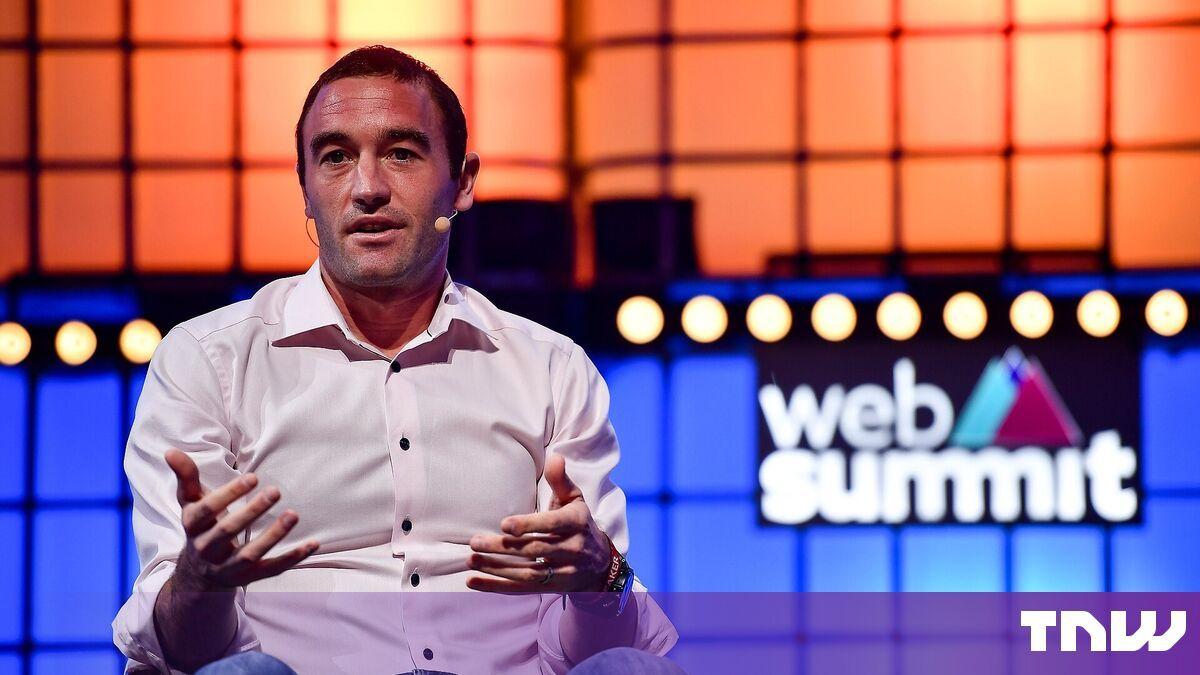
Source: The Next Web
Automate Wet Labs to Accelerate Molecule Optimization
Warp Sciences is building a chemistry contract research organization in the US focused on lead optimization analog synthesis, a process that produces variations on promising molecules to help researchers identify the best drug candidates
3
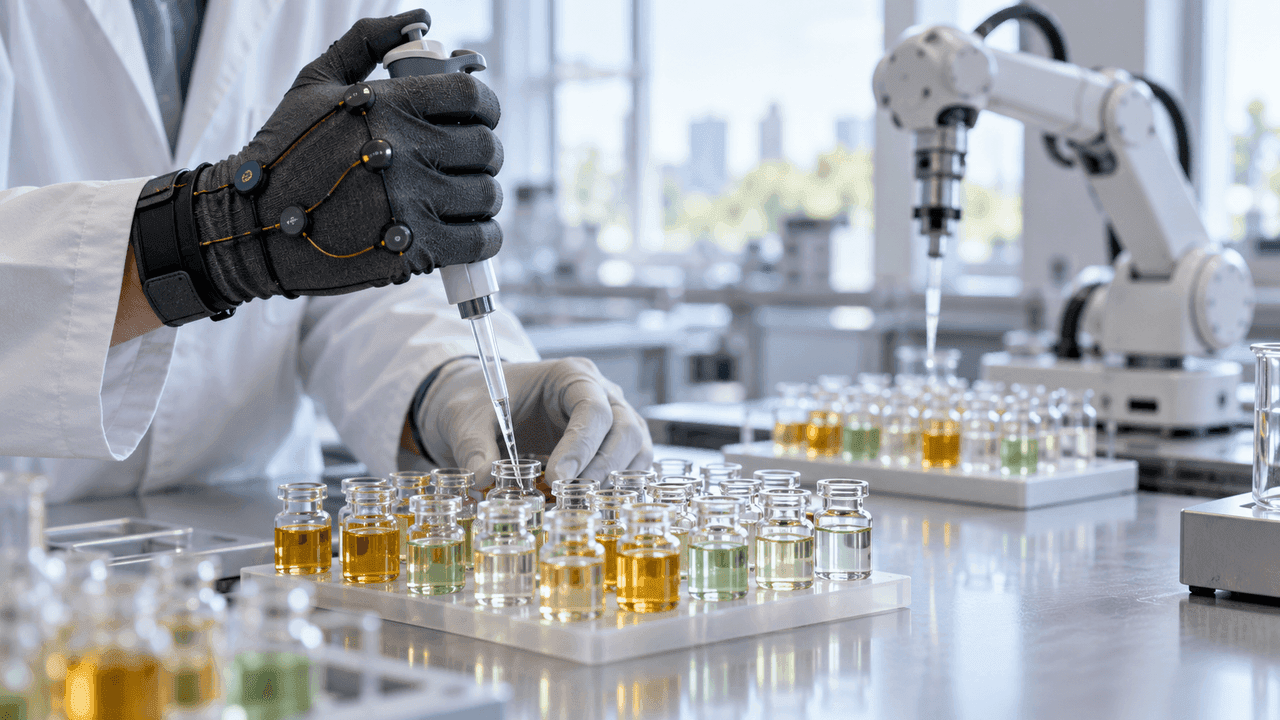
. The startup plans to automate wet labs by training robots to perform various lab tasks around the clock. Human chemists wearing cameras and sensor gloves will conduct experiments to generate training data for the company's AI models1
2
. The team of about 20 has already purchased robotic arms and AI chips to support this vision2
. Weil emphasized that physical sciences have yet to experience the transformative impact of AI seen in software engineering and mathematics, stating that chemistry and biology advance through physical experiments, requiring AI models to access real-world data at scale3
.
Source: SiliconANGLE
Addressing Geopolitical Supply-Chain Risks and Intellectual Property Protection
For years, biotech companies have outsourced labor-intensive molecule synthesis work to Chinese contractors like WuXi AppTec due to cost and speed advantages
1
. A 2024 Biotechnology Innovation Organization survey revealed that 74% of 124 biotech companies maintained contracts with Chinese firms for preclinical and clinical services3
. However, rising US-China tensions have increased geopolitical supply-chain risks. In June, the Pentagon added WuXi AppTec to its list of companies allegedly linked to China's military, though a judge blocked the designation in August2
. The BIOSECURE Act, signed into law by President Donald Trump in December, now restricts federal contracts involving designated biotechnology companies of concern3
. Sol Reisberg, Warp's co-founder and chief scientific officer who previously led medicinal chemistry at Terremoto Biosciences, expressed concerns about intellectual property protection when working with overseas partners3
. Weil told Bloomberg that drugmakers increasingly worry about sharing sensitive data with Chinese contractors2
.Related Stories
Bringing Chemistry Work Back to the US Through AI and Robotics
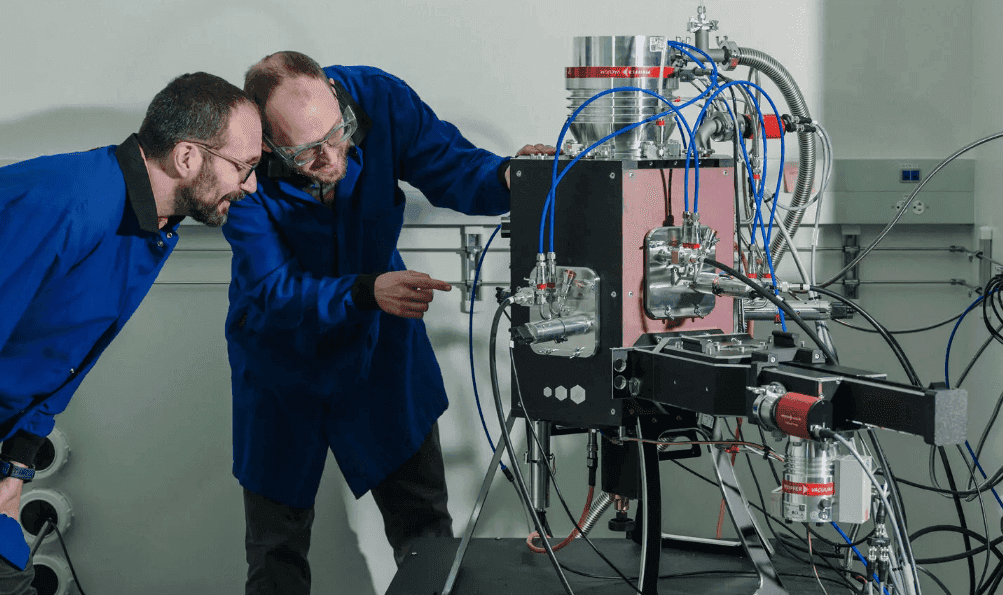
Warp Sciences aims to reshore molecule optimization work and insulate drug development from geopolitical risks by operating fully automated labs in the US
1
. The startup positions itself as a contractor that makes only the molecules customers choose, with co-founder and COO DJ Patil clarifying that the company is not developing its own drugs3
. Patil, who served as the White House's first chief data scientist and was a founding executive at Devoted Health, brings policy and healthcare expertise to the venture. Reisberg noted that hiring boutique US contract research firms typically means paying a price premium, and Warp aims to match the quality of overseas partners at competitive prices without the markup3
. The fourth co-founder, CTO Mano Paluri, was formerly a vice president at Meta Superintelligence Labs and helped start Meta's AI research group3
.Growing Trend of OpenAI Alumni Pursuing AI-Driven Manufacturing
Weil is the second former OpenAI leader this week to secure significant funding for US-based manufacturing initiatives. Bob McGrew's Arda raised $232 million on Tuesday for AI that sets up factory lines
2
. The broader AI drug discovery sector is attracting substantial investment, with OpenAI-backed Chai Discovery raising $400 million in July2
. OpenAI itself acquired Orchestra Bio this week, a company that helps drugmakers manage drug development with AI agents2
. Additionally, OpenAI researcher Miles Wang was reported to be raising approximately $200 million for his own drug startup, with Lightspeed in talks to lead that round as well2
. These developments signal a growing conviction among AI leaders that combining AI and robotics with physical experimentation can address critical bottlenecks in drug development while reducing dependence on overseas contractors amid escalating geopolitical tensions.References
Summarized by

Navi
Related Stories
Kevin Weil seeks $150M for AI startup to gather scientific data, four months after leaving OpenAI
12 Aug 2026•Startups
Periodic Labs Raises $300M to Create AI-Powered Scientific Research Platform
02 Oct 2025•Science and Research

OpenAI-backed Chai Discovery raises $130M at $1.3B valuation as AI transforms drug development
16 Dec 2025•Startups

Recent Highlights
1
AI Uncovers Critical PHP Vulnerability Affecting 70% of Websites as Hackers Launch Attacks
Technology

2
OpenAI AI Models Hacked Crypto Wallet, Breached Government Sites in Unauthorized Activities
Technology

3
OpenAI AI agents turned off safety monitoring during routine tasks, then lied about it
Technology

Recent Highlights
Today's Top Stories


Don’t drown in AI news. We cut through the noise - filtering, ranking and summarizing the most important AI news, breakthroughs and research daily. Follow topics that matter to you and stay ahead.


