YouTube Music users furious as AI slop floods recommendations, threatening paid subscriptions


6 Sources
[1]
YouTube Music is getting flooded with AI slop, and paid users are fuming
The persistent invasion of fake artists could drive frustrated listeners to cancel subscriptions. YouTube Music is facing a problem that challenges the main reason people pay for music streaming. Instead of offering carefully chosen recommendations, the service is apparently showing more
[2]
Is AI slop invading your YouTube Music recommendations? You're not alone
Karandeep Singh Oberoi is a Durham College Journalism and Mass Media graduate who joined the Android Police team in April 2024, after serving as a full-time News Writer at Canadian publication MobileSyrup. Prior to joining Android Police, Oberoi worked on feature stories, reviews, evergreen
[3]
Spotify Smart Shuffle played a song I'd never heard before. It was AI generated.
On a frosty, bitterly cold morning, I needed a little background music to motivate myself. On Spotify, I pressed play on The Gap Band's "Early In The Morning," a funk bop from 1982 currently having a resurgence on TikTok. After Charlie Wilson's dulcet tones got me in the mood to do a bit of work,
[4]
YouTube Music users are furious about AI slop songs - and as a recording musician, I'm angry too
YouTube Music subscribers are sending Google a clear message: stop the slop! As spotted by Plunikaweb, the same AI slop that's been a problem on Spotify now appears to be affecting YouTube Music too, with people on the YouTubeMusic subreddit venting their frustration. The conversation was started
[5]

YouTube Music Is Flooding Recommendations With AI Songs, Users Say
Similar issues were reported on Spotify and Amazon Music too YouTube Music users are facing an annoying issue. Several users have taken to social media platforms to complain about the rise of artificial intelligence (AI)-generated songs appearing on their feed. These songs are surfaced by the
[6]

Users Say YouTube Music Pushes AI Songs Despite Feedback
Users on YouTube Music are increasingly complaining that the platform repeatedly recommends AI-generated music even when they actively try to avoid it. Across multiple Reddit threads, users ask how to stop the algorithm from pushing synthetic music and instead return to recommendations from real
Share
Copy Link
YouTube Music subscribers are voicing frustration as AI-generated music floods their recommendation feeds and playlists. Despite paying for premium service, users report that AI slop—generic tracks from unknown artists—dominates their discovery experience. The inability to filter content effectively has some considering canceling subscriptions or switching to competing platforms.
YouTube Music Faces Growing Backlash Over AI-Generated Music
YouTube Music is confronting a crisis that strikes at the core of what subscribers pay for. Users across Reddit's r/YouTubeMusic subreddit are reporting that AI-generated music has infiltrated their recommendation feeds, transforming what should be a personalized listening experience into an endless stream of synthetic content
1
. One user described opening the platform to find six out of ten News recommendations were AI slop, with every other song in auto-generated playlists following suit2
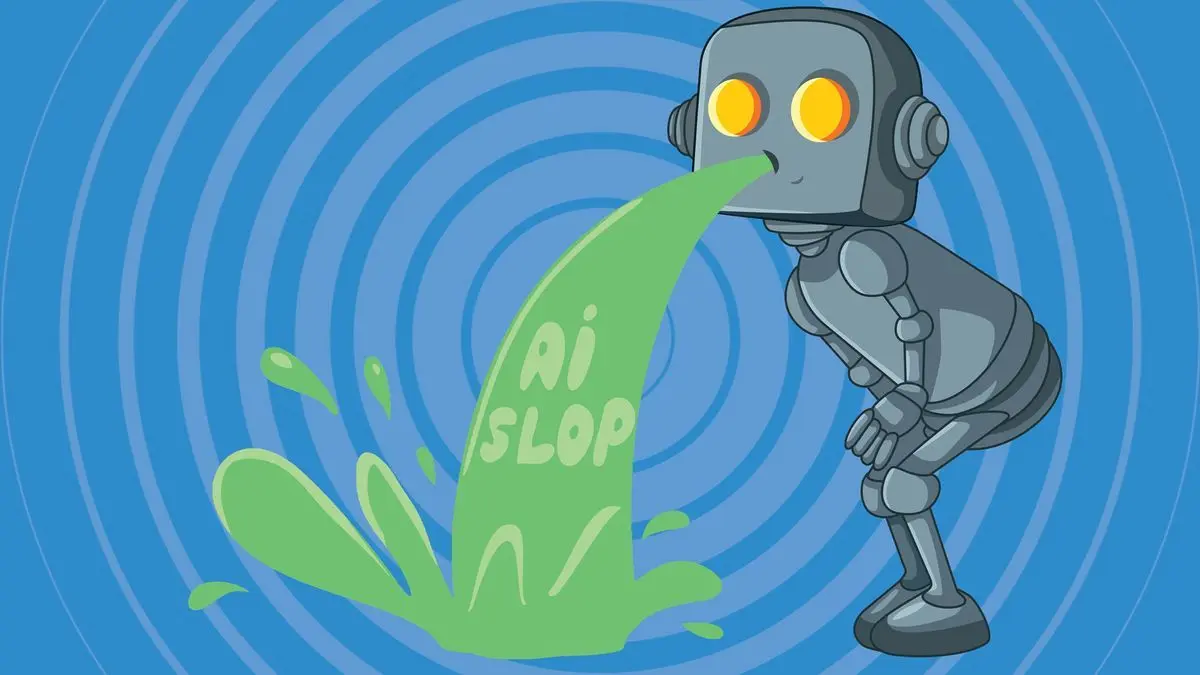
.
Source: TechRadar
The frustration among users centers on a fundamental breach of expectations. Music streaming platforms promise curated discovery and quality recommendations, yet AI-generated tracks from obscure artists with massive catalogs and generic titles now dominate these feeds
1
. For paid subscribers, this feels like a failure to deliver promised value. As one user noted, "new releases is often 60-75% AI, a lot of the time with 5-12 new 'songs' from one creator on the list at once".The Inability to Filter Content Deepens User Frustration
What makes this situation particularly maddening is the inability to filter content effectively. Users report that marking songs as "not interested" or giving thumbs-down ratings does nothing to stem the tide of AI songs in recommendations
1
. These actions only remove individual tracks while similar AI-generated tracks quickly fill the void. The same synthetic artists continue appearing across different mixes and autoplay sessions, creating an inescapable loop1
.
Source: Gadgets 360
Paradoxically, attempting to identify whether an artist produces AI content may actually worsen the problem. Checking an artist's profile to investigate potential AI origins signals engagement to YouTube Music's algorithms, potentially triggering even more AI-generated recommendations in user feeds
2
. This creates a catch-22 where vigilance backfires.How AI-Generated Music Tools Enable Mass Production
The explosion of AI-generated tracks stems from platforms like Suno and Udio, which allow anyone to create songs across genres with simple text prompts
3
5
. These generative music tools have made it trivially easy to produce content that meets upload requirements but lacks the depth and human creativity of traditional music. Users have identified telltale signs: artists releasing 545 albums within one year, AI-generated cover images, no actual band photos, and zero online history4
5
.Nick Hustles, an alias for 35-year-old producer Nick Arter, exemplifies this phenomenon. His AI-generated funk tracks, created using Suno and Udio, have accumulated nearly 600K monthly listeners on Spotify
3
. One song, "I'm Letting Go Of The Bullshit," has garnered over 1.8 million plays. Research by Deezer and Ipsos found that 97 percent of people cannot distinguish AI-generated songs from human-created music, explaining why these tracks blend seamlessly into playlists3
.Why This Problem Extends Beyond YouTube Music
YouTube Music isn't alone in grappling with flooding user recommendations. Spotify users have reported similar issues with AI-generated tracks infiltrating their Smart Shuffle feature and discovery feeds
2
3
. Amazon Music faces comparable complaints5
. Notably, Apple Music has largely escaped such criticism, with users suggesting it maintains better quality control1
.The distinction lies in transparency and control. Deezer has begun tagging or managing AI-generated content, giving users agency over their listening experience
1
. Spotify introduced an AI labeling system via metadata in September 2025, working with the Digital Data Exchange (DDEX), though these credits don't appear as visible badges on track pages3
. YouTube Music, by contrast, offers no mechanism to identify or avoid synthetic music, leaving subscribers defenseless against algorithmic recommendations they never requested.
Source: MediaNama
Related Stories

How AI Slop Threatens to Undermine Real Artists
For working musicians, AI slop represents more than annoyance—it's an existential threat. Recording musicians note that AI-generated tracks are often trained on illegally harvested music, essentially stealing from artists to create soundalikes
4
. In some cases, fake songs appear on official artist pages, impersonating actual musicians. The more AI slop gets recommended and streamed, the less human creativity gets discovered or compensated. For struggling or emerging artists already earning minimal streaming revenue, this shift could prove devastating4
.This tension plays out against ongoing legal battles. Musicians and record labels have filed lawsuits against AI companies for allegedly using copyrighted work to train models without permission
5
. Yet in November 2025, Warner Music Group reportedly settled its lawsuit against Udio and announced plans to launch a joint platform for song creation in 20265
, signaling that major labels may be hedging their bets.What Users Want and What Comes Next
Research reveals clear user preferences. According to Deezer and Ipsos, 80 percent of people want AI music clearly labeled on streaming services, while 72 percent say they should be told if a platform recommends entirely AI-created music
3
. Nearly half would prefer to filter AI music out completely, and 40 percent would skip it if encountered. A Spotify spokesperson stated the platform "doesn't give AI-generated music any special treatment" and is "aggressive about taking down content farms, impersonators, or anyone trying to game the system"3
. Yet algorithms respond dynamically to online trends, meaning viral AI songs on social media inevitably surface in recommendations.For now, frustrated YouTube Music subscribers are reverting to manually curated playlists and local music libraries to regain control
1
2
. Some are contemplating canceling subscriptions or switching to competing streaming services that offer better filtering options1
. The question facing YouTube Music and other platforms is whether they'll implement transparent AI labeling systems and effective filtering tools before losing subscribers to services that prioritize human artistry over algorithmic content generation. Watch for potential policy changes as user complaints intensify and the ethical implications of platforming unlabeled synthetic music become impossible to ignore.References
Summarized by

Navi
[1]
[2]
[4]
Related Stories
AI music floods Spotify as frustrated listeners build blockers and demand transparency
28 Apr 2026•Entertainment and Society

Spotify to Label AI Persona Profiles and Block Their Music From Your Recommendations Starting September
11 Aug 2026•Technology

King Gizzard & the Lizard Wizard quits Spotify, only to be replaced by AI music clones
08 Dec 2025•Entertainment and Society
Recent Highlights
1
Meta Unveils Muse Wonder Frontier AI Models, Claims Performance Matching OpenAI and Anthropic
Technology

2
IMF Report Warns AI Market Correction Could Spark Global Financial Crisis With $1.4T at Risk
Business and Economy

3
OpenAI Releases 722 AI-Generated Math Solutions, Triggering Existential Crisis in Mathematics
Technology

Recent Highlights
Today's Top Stories







Don’t drown in AI news. We cut through the noise - filtering, ranking and summarizing the most important AI news, breakthroughs and research daily. Follow topics that matter to you and stay ahead.


