Larry Ellison's £118M AI-Powered Vaccine Research Initiative at Oxford University


2 Sources
[1]
Larry Ellison bankrolling £118M vaccine research at Oxford
Oracle billionaire funds project to predict immunity and develop treatments for hard-to-prevent diseases A research group funded by tech billionaire Larry Ellison is set to invest £118 million ($169.6 million) in applying AI to vaccine research with the UK's Oxford University. Oxford Vaccine
[2]
Oracle billionaire's institute gives Oxford major grant for AI vaccine research
Oracle billionaire Larry Ellison's institute of technology is funding a first-of-its-kind project to use artificial intelligence for research into vaccines that will protect against the world's most dangerous pathogens, in one of the largest grants that Oxford university has ever received. The
Share
Copy Link
Oracle billionaire Larry Ellison's Ellison Institute of Technology is funding a groundbreaking £118 million project at Oxford University to use AI in vaccine research, targeting antibiotic-resistant bacteria and hard-to-prevent diseases.
Ellison's Massive Investment in AI-Powered Vaccine Research
Oracle billionaire Larry Ellison is set to invest £118 million ($169.6 million) in a groundbreaking project that combines artificial intelligence with vaccine research at the UK's Oxford University. The Ellison Institute of Technology (EIT) is funding this five-year initiative led by the Oxford Vaccine Group, aiming to tackle some of the world's most dangerous pathogens and address the growing threat of antibiotic resistance
1
2
.Project Overview and Objectives
The research, spearheaded by Professor Sir Andrew Pollard, who previously led the trials for COVID-19 vaccines, will focus on studying the human immune system's response to serious bacterial infections. The project targets diseases caused by bacteria such as Streptococcus pneumoniae, Staphylococcus aureus, and E. coli, which have long eluded successful vaccine development
1
.Professor Daniela Ferreira, co-leader of the project, emphasized the unprecedented scale of the studies, stating, "It's almost like a 20-year programme in four or five [years] because we can massively accelerate the whole programme by [combining] the expertise together with EIT and Oxford"
2
.Innovative Approach: Human Challenge Models and AI
Source: FT
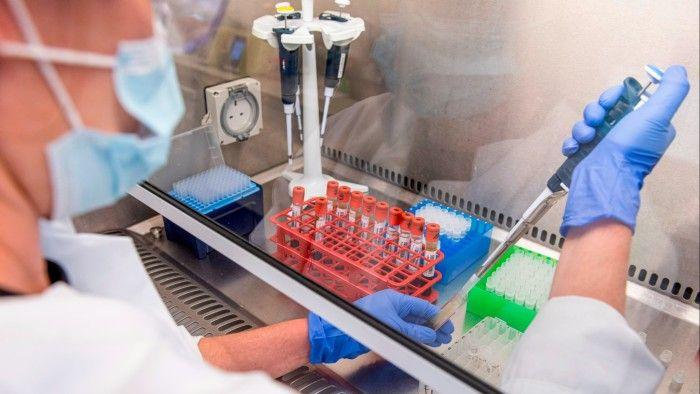
A key aspect of this research is the use of "human challenge models," which involve exposing human volunteers to bacteria under controlled conditions. This approach, combined with advanced immunology and AI tools, aims to pinpoint the immune responses that predict protection against these hard-to-prevent diseases
1
.The trials will collect extensive data on how human bodies respond to pathogens, including blood samples and tissue from lymph nodes. AI will be employed to process this data, helping scientists understand the most effective tactics used by participants' immune systems when fighting bacteria. These insights will be crucial in selecting the right parts of bacteria to mimic in future vaccines
2
.The Ellison Institute of Technology's Role
Established in 2023, the EIT is set to open its Oxford campus in 2027 following an investment of around £1 billion. This facility will provide research laboratories and computing capacity supported by Oracle, which Ellison co-founded. The institute aims to work on "commercially sustainable solutions" to global challenges in health, clean energy, and food security
1
2
.Related Stories

Broader Context and Challenges

Source: The Register
This significant investment comes at a time when vaccine research faces challenges in the United States. The current US administration has attracted criticism for its approach to vaccines, with plans to cancel $500 million in funding for mRNA vaccines that could protect against flu and COVID-19
1
.Professor Pollard expressed concern about the impact of misinformation on vaccine acceptance, stating, "One of the greatest tools ever is being undermined by poor science and misinformation"
1
2
.Future Implications
The collaboration between EIT and Oxford University represents a new frontier in vaccine science. By combining advanced immunology with artificial intelligence and using human challenge models, the project aims to provide the tools needed to tackle serious infections and reduce the growing threat of antibiotic resistance
1
.This initiative not only highlights the potential of AI in medical research but also demonstrates the crucial role of private funding in advancing scientific endeavors. As antimicrobial resistance continues to pose a significant global health threat, projects like this offer hope for developing innovative solutions to protect public health in the coming decades
2
.References
Summarized by

Navi
[1]
Related Stories
AI-Powered Cancer Vaccines: Oracle's Larry Ellison Unveils 48-Hour Personalized Treatment
22 Jan 2025•Health

Larry Ellison Advocates for Unified National Data to Power AI Systems
13 Feb 2025•Policy and Regulation

Larry Ellison's AI-Powered Resurgence: Oracle Co-Founder Briefly Becomes World's Richest Person
10 Sept 2025•Business and Economy

Recent Highlights



Recent Highlights
Today's Top Stories



Don’t drown in AI news. We cut through the noise - filtering, ranking and summarizing the most important AI news, breakthroughs and research daily. Follow topics that matter to you and stay ahead.


