Nvidia enters Arm-based PC market with RTX Spark chip targeting AI workloads and gaming


57 Sources
[1]
Nvidia gets into the Arm PC business with new high-end RTX Spark processor
These days, Nvidia primarily sells AI data center products, and its traditional consumer devices feel like more of a side project. But the company occasionally still releases something designed for consumers. After a couple of years of rumors, Nvidia has announced an Arm-based chip designed to
[2]
Nvidia RTX Spark May Light a Fire for Windows on Arm
Buckle up: Nvidia is "reinventing the personal computer," according to CEO Jensen Huang. Microsoft and Nvidia have been cozying up to one another in preparation for Nvidia's highly anticipated launch of the RTX Spark. It's a new Arm-based system-on-chip (or "SoC") platform that brings Nvidia's
[3]
This could be Windows' M1 moment -- but expect it to cost a ton
Nvidia's announcement that it's getting into the consumer laptop chip space with RTX Spark is huge. Apple has proved for years that Arm-based chips can perform incredibly well while also delivering great battery life -- at least on the Mac. In the Windows world, performance hasn't fully matched up
[4]
Nvidia's RTX Spark Is an Earthquake for the PC Industry. Here's How I See the Landscape Shifting
Nvidia kicked Computex off with massive news: a major consumer laptop play, powering a new class of AI PCs with a laptop superchip called the RTX Spark. This isn't just about throwing an Nvidia sticker on a keyboard deck and dropping a jumped-up Arm chip inside. Nvidia's move is a step change in
[5]

Nvidia's RTX Spark could caplitalize where Qualcomm's Arm-based efforts have not -- following the expiration of Qualcomm's Windows on Arm deal, Nvidia stands poised to pick up the slack
Nvidia unveiled the RTX Spark superchip on May 31st ahead of its GTC Taipei event, and right before Computex 2026. The device packs a 20-core Arm-based Grace CPU and a Blackwell RTX GPU on a single package and points it at the one corner of computing where the company has never had a foothold: the
[6]

Nvidia's Grace Blackwell superchips are officially coming to the PC with RTX Spark notebooks
COMPUTEX 2026: It only took a year and a half but the same silicon at the heart of Nvidia's DGX Spark AI workstations will soon be powering Windows PCs. During his GTC Taiwan keynote on Monday, Nvidia CEO Jensen Huang revealed the N1X, a high-end mobile processor that combines an Arm-based CPU
[7]

Nvidia's RTX Spark will "reinvent the PC," giving Windows on Arm the huge boost it deserves
* Microsoft and Nvidia have unveiled the RTX Spark (N1/N1X) to supercharge Windows on Arm. * The chip features massive specs: 1 petaflop AI, 6,144 Blackwell RTX cores, 20 Arm CPU cores, up to 128GB RAM. * Surface Laptop Ultra debuts RTX Spark with MPTF and workload scheduling for power, cooling,
[8]
Nvidia announces RTX Spark as 'the most efficient PC chip ever built'
This fall, Nvidia will officially become a consumer PC chipmaker like Intel, AMD, Apple, and Qualcomm, putting a complete computing chip -- not just graphics -- into the very heart of laptops and mini-PCs. After many months of leaks, it's finally announcing the RTX Spark, the first in a family of
[9]
Microsoft's Nvidia-Spark-Powered Surface Laptop Ultra Signals a Raw Power Revolution
With 15+ years in tech journalism, Brian has deep experience with PCs, AI, and the intersection of the two. He's also the resident Starlink expert. Alongside Nvidia's keynote at Computex, Microsoft announced a new Surface PC -- the Surface Laptop Ultra -- which will feature Nvidia's new RTX Spark
[10]
Nvidia unveils DGX Sparrk roadmap for laptops and desktop PCs at Computex 2026 -- three generations outlined, Rubin with LPDDR6 memory, followed by Rosa Feynman
Nvidia is fully committed to transforming Windows on Arm into an agentic AI platform Along with its first-generation RTX Spark platform for desktop and laptop PCs, Nvidia CEO Jensen Huang revealed the company's commitment to future generations of those platforms on its future roadmaps. The company
[11]

Nvidia jumps into PCs with new Arm-based chip debuting in laptops from Microsoft, Dell, HP
Nvidia has emerged as the world's most valuable company by dominating the market for AI chips in the data center. Now the company is expanding its prowess to chips that will serve as the main processor for personal computers, entering an arena that's long been ruled by Intel, Advanced Micro
[12]

Microsoft unveils Surface Laptop Ultra with Nvidia RTX Spark SoC and up to 128GB of RAM
Serving tech enthusiasts for over 25 years. TechSpot means tech analysis and advice you can trust. What just happened? At Computex 2026 in Taiwan, Microsoft unveiled the Surface Laptop Ultra, a 15-inch notebook powered by Nvidia's new RTX Spark SoC. Microsoft is positioning it as a MacBook Pro
[13]

NVIDIA's new chip takes the fight to Apple and Qualcomm
Major PC makers including ASUS, Dell, HP, Lenovo, MSI, Acer, and GIGABYTE are already onboard, with the first RTX Spark-powered systems launching this fall. NVIDIA and Microsoft don't believe the next big upgrade for the PC is a faster keyboard shortcut or a redesigned app. They think AI agents
[14]

Nvidia Now Has a Laptop Chip, and You Can Probably Guess What It's Built for
After storming onto the stage in Taipei, Taiwan, Nvidia CEO Jensen Huang has finally showcased the company's long-awaited laptop-grade CPUs. They're just as promising, and just as perplexing, as we imagined based on nearly a year's worth of rumors and leaks. Huang claimed Nvidia was effectively
[15]

Nvidia's RTX Spark finally delivers the MacBook Pro rival Windows needed
Nvidia has unveiled its first laptop CPU for the mainstream, the RTX Spark. It's built to power AI agents, content creation, and gaming, and it's already finding its way into Windows laptops from major brands -- including in a MacBook Pro rival from Microsoft. The just-introduced "superchip"
[16]
Nvidia's RTX Spark Silicon Brings Supercomputer Ambitions to Consumer Laptops
With 15+ years in tech journalism, Brian has deep experience with PCs, AI, and the intersection of the two. He's also the resident Starlink expert. In a briefing ahead of Nvidia's Computex keynote, we got our first look at RTX Spark, Nvidia's ambitious new Arm-based laptop superchip. Nvidia is
[17]
Nvidia unveils RTX Spark Superchip for laptops and desktop PCs at Computex 2026 - new platform promises to turn Windows into an agentic AI OS with Arm CPU, Blackwell GPU, and 128GB unified memory
Over 30 laptops and 10 desktops coming this fall with "the most efficent platform ever built" Nvidia is transforming Windows into an agentic AI platform at 2026. During his keynote, CEO Jensen Huang revealed RTX Spark: a Windows on Arm platform for laptops powered by the company's RTX Spark
[18]

Microsoft's Surface Laptop Ultra could be your killer PC upgrade
Expected in 2026, this represents Microsoft's most significant Surface redesign, targeting gaming, content creation, and competing with Apple's AI solutions. Microsoft's surprise launch of the new Surface Laptop Ultra, based on Nvidia's RTX Spark platform, is definitely worth talking about.
[19]

Nvidia RTX Spark sounds like it might be a great Windows chip even beyond the AI
Microsoft, Nvidia, and MediaTek are working together on "RTX Spark," a new chip for Windows PCs that's all about AI, but if you look beyond that, it sounds like it might still be a good chip in general. As per usual with any big tech launch in 2026, the messaging around the new RTX Spark chipset
[20]
Nvidia RTX Spark CPU is now official: "superchip" will power Windows laptops and desktops
Serving tech enthusiasts for over 25 years. TechSpot means tech analysis and advice you can trust. Why it matters: Nvidia just announced what it calls the most efficient PC chip ever built. RTX Spark is a Grace Blackwell system on a chip, 70 billion transistors on TSMC 3nm, with a Blackwell RTX
[21]

Nvidia Challenges Apple Silicon With New RTX Spark PC Chip
Nvidia is entering the consumer PC chip business for the first time and has thrown down the gauntlet to Apple, describing its new RTX Spark processor as "the most efficient PC chip ever built." Nvidia says its RTX Spark Superchip is purpose-built to run AI agents that can work proactively across
[22]

Nvidia RTX Spark is here, and it's going to change laptops forever -- here's everything you need to know
One of the worst-kept secrets of Computex is official, as Nvidia's CEO Jensen Huang just announced RTX Spark Super Chip family -- Team Green's first-ever all-in-one laptop silicon that takes on Intel, AMD, and Qualcomm in a big way with a GPU equivalent to an RTX 5070. Set to release this fall,
[23]

Nvidia's RTX Spark chip powers the Microsoft Surface Ultra AI laptop
Step aside, basically every other laptop out there. Credit: Microsoft Microsoft's got a new Surface coming, and it's the most powerful laptop the company's ever made. Announced at Computex 2026, the Microsoft Surface Ultra comes with an Nvidia RTX Spark, a new all-purpose PC chip from the
[24]

Microsoft debuts Nvidia-powered Microsoft Surface Ultra laptop
Why it matters: The move, previously reported by Axios, puts the hottest name in chips behind Windows as Microsoft tries once again to redefine the PC for the AI era. Driving the news: The new Microsoft Surface Laptop Ultra will be powered by the RTX Spark, a PC chip that is similar to the one
[25]

Nvidia's New Chip Aims to Upend the Creative Laptop Market
Microsoft and Nvidia made joint announcements today. Microsoft is launching a brand-new Surface Laptop Ultra, the most powerful Surface Laptop ever built, and it is powered by Nvidia's new RTX Spark system-on-a-chip, a "new superchip that reinvents Windows PCs for the era of personal AI
[26]

Watch out, Apple - Nvidia just unveiled its RTX Spark Arm 'superchip' to take on the M5 at Computex 2026
Nvidia has just announced its new Arm-based laptop chip at Computex 2026, firing a warning shot across the bow of Apple (who has found great success with its own Arm-based M-series chips), as well as Intel and AMD. While Nvidia has been mainly associated with graphics cards, and AI, in the past,
[27]

Nvidia's RTX Spark chip targets the Mac Studio, with Asus and MSI calling the first dibs
Nvidia just built a tiny AI box that wants to fight the Mac Studio This story is part of our coverage of Computex, the world's biggest computing conference. Updated less than 3 minutes ago The battle for compact high-performance desktops is heating up, and Nvidia appears ready to enter territory
[28]

AppleInsider.com
Nvidia has stepped into the processor market with its RTX Spark, but at first glance, it's clearly behind Apple Silicon by a considerable margin. Computex 2026 is underway, and Nvidia has formally stepped into the processor ring with its own chip. Nvidia calls the RTX Spark a "superchip" for
[29]
Nvidia's RTX Spark chip 'reinvents' laptops for agentic AI
Agentic AI requires continuous GPU operation, creating challenges for laptop battery life and portability compared to always-on desktop devices. Nvidia has a vision to put AI productivity into the hands of virtually everyone on the planet. On Sunday night it advanced that mission with the debut of
[30]
Nvidia's RTX Spark Chip to Try and Reinvent the PC for the AI Era
When he's not battling bugs and robots in Helldivers 2, Michael is reporting on AI, satellites, cybersecurity, PCs, and tech policy. After years of rumors, Nvidia is introducing the company's first Arm-based CPU chips for consumer laptops and mini PCs, or what it dubs RTX Spark. But the goal is to
[31]
Nvidia and Microsoft tease "a new era of PC" ahead of Computex 2026 -- coordinated social media posts could indicate that rumored N1X laptops will be Windows on Arm systems
An Nvidia-powered Arm PC running Windows could inspire new local AI experiences beyond Copilot+. Ahead of Computex next week, Nvidia's social media accounts have begun promising "a new era of PC," along with the latitude and longitude of the Taipei Music Center, where CEO Jensen Huang will present
[32]

The PC is being reinvented" - Nvidia announces new AI-focused RTX Spark laptop as widespread doubt bubbles
Nvidia has announced the RTX Spark computer chip, which it claims will revolutionize personal computing thanks to its AI capabilities. This chip, which will be included in PCs and laptops by Dell, Lenuvo, Asus, and HP, will complement Windows software with 1 petaflop of AI performance. It will
[33]

Not just for AI agents: Nvidia's RTX Spark means Arm-powered laptops for gamers, too, promising 100 fps at 1440p in the latest games
After a lot of leaks, a whole lot of rumours, and me boring the crap out of Nvidia's PRs about it many times over the years, the N1X CPU, now incorporated in the RTX Spark SoC, has finally been unveiled. It's been one of the most well-known secrets in the industry -- that Nvidia would one day
[34]

Nvidia launches Windows laptop chip in consumer PC push
Taipei (AFP) - Nvidia unveiled a powerful laptop chip for Windows machines on Monday, staking its claim in the market for next-generation consumer PCs integrated with artificial intelligence. Analysts said the US hardware titan's move challenges the likes of Apple, Intel and AMD in the PC domain,
[35]

Nvidia debuts RTX Spark processor for Windows laptops, compact desktops
Nvidia debuts RTX Spark processor for Windows laptops, compact desktops Nvidia Corp. today introduced a system-on-chip designed to power Windows laptops and compact desktops. The RTX Spark, as the processor is called, will roll out alongside Windows upgrades that will make the operating system
[36]
Nvidia announces RTX Spark processor for high-end laptops, and it's a huge leap
NVIDIA's new superchip wants to make your laptop your smartest coworker yet. This story is part of our coverage of Computex, the world's biggest computing conference. Updated less than 0 just now ago Nvidia just unveiled the RTX Spark, a new superchip that it says reinvents the Windows PC for
[37]

NVIDIA RTX Spark Brings Grace Arm CPUs and Blackwell Graphics to Windows
NVIDIA has officially entered the Windows processor market with the launch of RTX Spark, a new Arm-based computing platform that combines Grace CPU technology with Blackwell graphics. Announced during Computex, the new SoC is designed primarily for AI-focused laptops, though NVIDIA's ambitions
[38]
Nvidia's N1X could be the jolt Windows laptops need -- with one big catch
However, gaming performance may suffer due to x86 emulation challenges that plague all Arm-based processors, limiting the chip's appeal for gamers. Nvidia is evidently not content to be the world's most valuable company, as the AI and GPU giant now appears primed to dive headfirst into the choppy
[39]
Nvidia's 'RTX Spark' Chip To Try and Reinvent The PC With AI
When he's not battling bugs and robots in Helldivers 2, Michael is reporting on AI, satellites, cybersecurity, PCs, and tech policy. After years of rumors, Nvidia is introducing the company's first Arm-based CPU chips for consumer laptops and mini PCs, or what it dubs RTX Spark. But the goal is to
[40]

Nvidia unveils RTX Spark superchip to power next‑gen AI PCs
NVIDIA has unveiled the RTX Spark, an AI "superchip" designed to enhance AI and graphics performance in Windows laptops and small desktops. The chip boasts 1 petaflop of AI computing power, featuring 6,144 Blackwell RTX cores and 20 Mediatek Arm CPU cores. The RTX Spark is set to compete with
[41]

Lenovo accidentally confirms it is working on laptops powered by NVIDIA's yet-to-be-announced N1X chip
There are plenty of signals pointing toward NVIDIA's rumored N1X chip. The latest comes from Lenovo, whose internal ADFS authentication system has been spotted referencing an "NVIDIA N1x Portal," confirming the OEM is actively working on N1X-powered laptops ahead of Computex 2026. The discovery,
[42]

These new NVIDIA laptops finally give Windows what it's been missing: real creative power
* RTX Spark announced: an AI-forward ARM superchip with a 20-core Grace CPU and Blackwell GPU that delivers up to 1 petaflop and 6,144 CUDA cores in thin laptops. * Native Adobe apps offer hiccup-free video editing, including 90GB 3D scenes and 12K HDR video. * First laptops with this chip will
[43]
Nvidia's N1X processor for laptops could be right around the corner
An Nvidia ARM gaming chip in a Legion laptop? Things are getting interesting. Lenovo has accidentally confirmed it is working on laptops powered by Nvidia's yet-to-be-announced N1X chip. The confirmation comes from Lenovo's own ADFS authentication system, which referenced an "Nvidia N1x Portal" in
[44]

Your next laptop could have an Nvidia CPU - here's why that's a huge deal
Nvidia RTX Spark silicon will rival Intel, AMD and Qualcomm - and the Microsoft Surface is first in line Have we just entered "a new era of PC"? That was Nvidia's bold claim as it officially revealed the RTX Spark, a new processor aimed squarely at the Intel/AMD (and to a lesser extent, Qualcomm)
[45]

NVIDIA and Microsoft bet on AI agents to reinvent the personal computer
NVIDIA and Microsoft are set to launch new Windows PCs powered by AI. These devices will act as intelligent assistants, performing tasks for users. This technology aims to bring advanced AI capabilities directly to personal computers. Manufacturers like ASUS, Dell, and HP will offer these new
[46]

NVIDIA's RTX Spark Is a Direct Shot at the PC Market, Backed by a Multi-Gen Roadmap That Past 'Windows on Arm' Bids Never Had
NVIDIA has announced RTX Spark, its brand-new PC platform, designed in collaboration with Microsoft, as it starts a new chapter of its client brand. NVIDIA RTX Spark May Look Like The Standard AI SoC Affair For PCs, But It's Much Bigger Than That Today at GTC Taipei 2026, a conference hosted by
[47]

Surface Laptop Ultra is the first laptop to feature Nvidia RTX Spark
After days of teasing from both Microsoft and Nvidia, the mystery has finally been solved. A few days ago, both Microsoft and Nvidia began simultaneously hinting on social media that something "big" related to hardware was in the works. That something has now finally been revealed in the form of
[48]

Nvidia Launches RTX Spark AI Superchip for Windows Laptops and Desktops
Nvidia has officially unveiled the Nvidia RTX Spark, which might mark the beginning of a major transformation for Windows PCs in decades. The RTX Spark is a new AI-focused superchip that is designed to power the next generation of Windows laptops and desktops. The superchip promises to provide up
[49]

NVIDIA RTX Spark Wants to Turn Your Windows PC Into a Personal AI Assistant
NVIDIA and Microsoft are betting that the next major evolution of the personal computer will be driven by AI agents rather than traditional applications. With the introduction of RTX Spark, the companies are bringing together dedicated AI hardware, Windows-native agent capabilities and NVIDIA's
[50]
Nvidia launches chip for Windows laptops in consumer PC push
"Microsoft and Nvidia are going to reinvent the PC. This is going to be the new PC," said Jensen Huang, chief executive of the US tech giant, as he launched RTX Spark ahead of Computex, a major technology show. kaf/amj/ane Nvidia unveiled a powerful laptop chip for Windows machines on Monday,
[51]
MSI Pushes NVIDIA's RTX Spark Into The Mainstream With A Developer Mini PC And A Tandem OLED Flip Laptop
Vendors have been quick to adopt the latest NVIDIA RTX Spark SoC in their devices, and MSI has deployed it in both mini PCs and laptops. MSI Power EdgeMesa N AI+ Mini PC and Prestige Flip AI+ Laptop With NVIDIA RTX Spark, Delivering a Powerful Arm+Blackwell Combo for Strong Compute and AI
[52]

Microsoft and NVIDIA unveil next-gen Windows PCs powered by RTX Spark Superchip
At the NVIDIA GTC conference, Microsoft and NVIDIA announced a multi-year, full-stack collaboration to deliver a new class of thin-and-light Windows PCs. Accelerated by the newly unveiled NVIDIA RTX Spark™ superchip, these systems are engineered specifically for developers, creators, and power
[53]
First RTX Spark Laptops Wave Arriving This Fall, On-Stage Units Shown To Run AAA Games Like 007 First Light And Forza Horizon 6 On Battery Power
Several notebook manufacturers have teamed up with NVIDIA to bring forth various RTX Spark laptops to the market later this year. During the official announcement, the company stated that the chipset can be found in machines sporting Max-Q designs and a thinner form factor, with the increased
[54]

Nvidia Announces the RTX Spark, Hoping to Ignite a New Era of Agentic AI Computing. It Also Plays Games.
Nvidia finally announced the RTX Spark at Computex 2026, an SoC powering a 'new generation' of PCs purpose-built for Agentic AI, and basically every mainstream laptop manufacturer will be launching a laptop powered by it. Just like the DGX Spark, which made its debut at CES 2025, the RTX Spark is
[55]

Computex 2026: Microsoft Surface Laptop Ultra launched, check specs and features
The laptop is launching later in 2026 with no pricing announced yet Computex 2026: Microsoft has announced the Surface Laptop Ultra, its high-end laptop built around NVIDIA's newly announced RTX Spark chip. It is the first Surface laptop to feature an NVIDIA Blackwell RTX GPU with full CUDA
[56]
NVIDIA RTX Spark brings CUDA, Blackwell and local AI agents to thin Windows laptops
Adobe, ASUS, Dell, HP, Lenovo, Microsoft Surface and MSI are among the early partners. For the last two years, the phrase "AI PC" has mostly meant one thing: a laptop with an NPU (Neural Processing Unit) capable of running some on-device AI tasks. Microsoft's CoPilot program has been quite
[57]
New NVIDIA SoCs powered Windows laptops coming: Why it matters
A serious NVIDIA-ARM computing challenge to Intel, AMD, Qualcomm All of us who thought NVIDIA had abandoned the consumer tech segment to focus more efforts on making a killing in the AI and datacentre market, Computex 2026 promises to bring some much-needed good news. According to leaks and
Share
Copy Link
Nvidia unveiled RTX Spark, a high-end processor combining a 20-core Grace CPU with Blackwell GPU architecture and up to 128GB unified memory for Windows on Arm. Launching this fall in laptops from Asus, Dell, HP, Lenovo, and Microsoft Surface, the chip targets AI workloads, creative professionals, and gamers. But memory shortages and premium pricing may limit its reach compared to Apple's M1 moment.

Nvidia RTX Spark Marks Entry Into Arm-Based PC Market
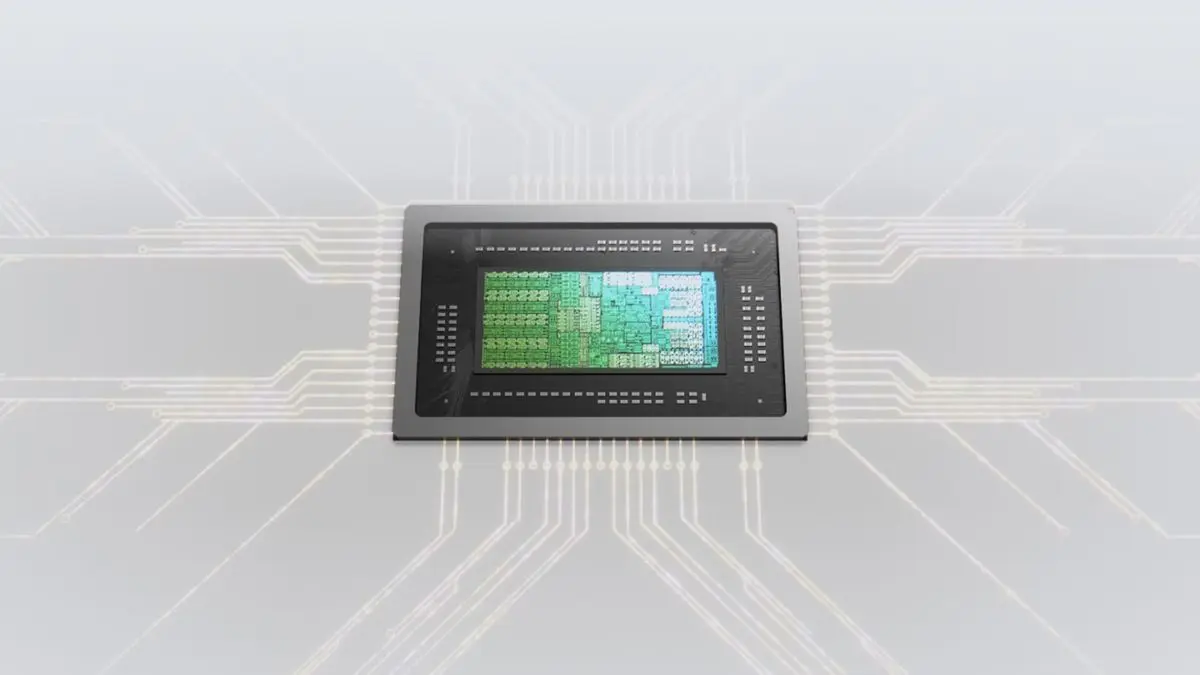
Nvidia has announced the Nvidia RTX Spark, a high-end RTX Spark processor designed to power a new class of AI PCs running Windows on Arm. The laptop superchip combines a 20-core Nvidia Grace CPU co-developed with MediaTek, up to 6,144 Blackwell-based GPU cores matching the desktop RTX 5070, and support for up to 128GB of unified memory using LPDDR5X
1
. CEO Jensen Huang described it as "reinventing the personal computer," positioning Nvidia's Arm-based chip to compete directly with Qualcomm Snapdragon X processors and target the same premium market as Apple M1 Pro and Max MacBooks2
.The RTX Spark represents a consumer rebrand of the DGX Spark (GB10) silicon that Nvidia launched for Linux-based developer workstations. That desktop currently sells for approximately $4,699, up from its $3,999 launch price due to memory shortages driven by AI data center demand
1
. Partners including Asus, Dell, HP, Lenovo, Microsoft, MSI, Acer, and Gigabyte will ship laptops and compact desktops this fall, though no pricing has been announced1
.Windows on Arm Platform Gets GPU Power and Gaming Support
The Arm-based system-on-chip architecture addresses a critical weakness in the Windows on Arm platform: graphics performance and gaming compatibility. Nvidia claims the chip can render 90GB-plus 3D scenes, edit 12K video, generate 4K AI videos, run 120-billion-parameter LLMs with up to 1 million token context, and play AAA games at 1440p above 100 frames per second
2
5
. Microsoft and Nvidia are actively working with Riot Games to support League of Legends and Valorant on Arm PCs, with Krafton for PUBG, and with developers of Easy Anti-Cheat, BattlEye, and Denuvo anti-cheat software1
3
.The system-on-a-chip (SoC) design uses 10 high-performance Arm Cortex-X925 CPU cores and 10 medium-sized Cortex-A725 cores, similar to Apple's M5 Pro and M5 Max which mix performance cores without smaller efficiency cores
1
. The chip's power envelope ranges from single digits to 80W maximum, significantly lower than the 250W a desktop RTX 5070 can consume, though this means laptop performance may vary considerably depending on manufacturer implementation1
2
.Local AI Capabilities and Unified Memory Architecture Drive Design
The unified memory architecture represents a significant advantage for local AI capabilities and creative workloads. Unlike traditional discrete GPUs limited to 8GB or 12GB of VRAM, the RTX Spark's system-on-a-chip allows both CPU and GPU to access the full memory pool, providing over 100GB of effective VRAM in top configurations
1
. Nvidia claims one petaflop of AI performance based on FP4 calculations, making it the first consumer SoC to support FP4 data types in hardware2
. The Blackwell architecture also enables DLSS upscaling and frame generation features available on RTX 50-series GPUs1
.Microsoft CEO Satya Nadella described the launch as delivering "unmetered intelligence to every home and every desk with Windows," indicating deeper integration than Qualcomm's Snapdragon X program received
5
. Microsoft and Nvidia built agent security infrastructure together at the operating system level, including identity, containment, and policy primitives paired with Nvidia's OpenShell runtime for routing queries to local models based on privacy rules5
. Adobe is providing optimized versions of Photoshop and Premiere for the platform3
.Related Stories

Premium Pricing May Limit Market Impact Unlike Apple M1 Launch
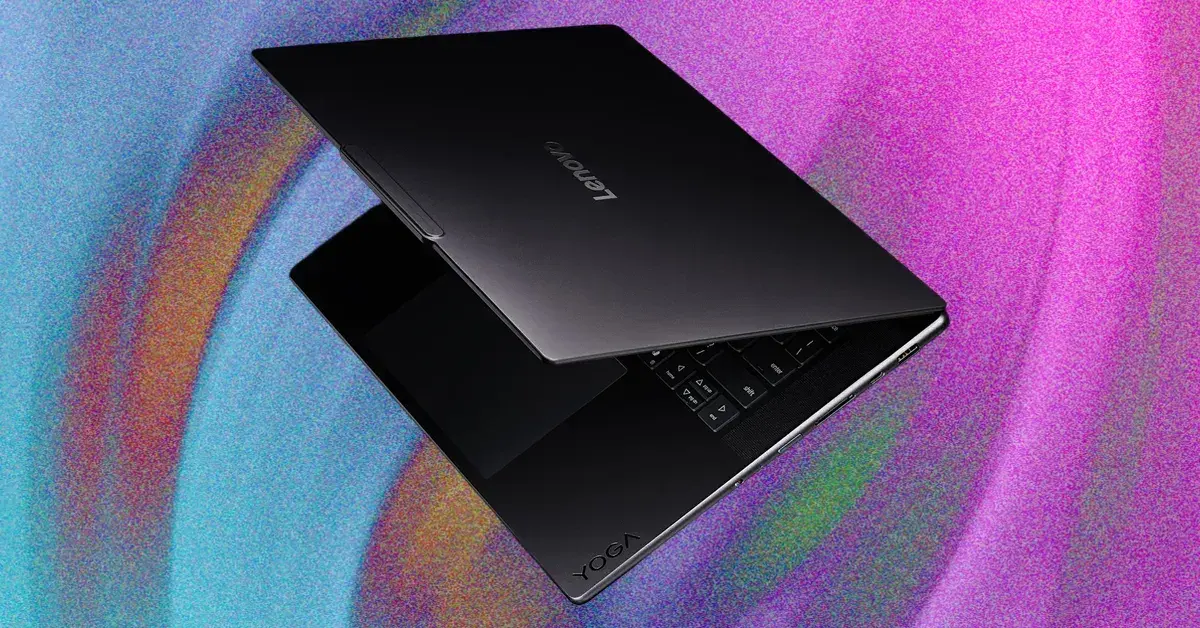
Confirmed laptop models include the Microsoft Surface Laptop Ultra, Dell XPS 16, Asus ProArt P14 and P16, Lenovo Yoga Pro 9n, MSI Prestige N16 Flip AI Plus, HP OmniBook Ultra 16 and OmniBook X 14
2
3
. The Surface Laptop Ultra features a 15-inch mini LED touchscreen with 2,000 nits peak brightness and 262ppi resolution, addressing Microsoft's long-standing display limitations2
. However, existing models in these lineups typically start at $2,000 to $2,500, with 128GB configurations likely pushing well beyond $3,000 given that AMD's comparable Strix Halo systems with 128GB cost $3,000 to $3,3003
.This premium positioning contrasts sharply with Apple's M1 launch strategy, which started with affordable MacBook Air and Mac Mini models at accessible price points, driving rapid adoption and developer support
3
. Nvidia is essentially skipping to an M1 Max or Ultra moment, targeting creators and professionals rather than mainstream users. The timing also presents challenges: AI component demand has created severe shortages affecting memory, processors, and SSD storage, driving computer prices higher while consumer spending declines3
.Nvidia's entry follows the expiration of Qualcomm's eight-year exclusive Windows on Arm partnership with Microsoft, which ended in 2024
5
. Qualcomm Snapdragon X laptops moved approximately 720,000 units in Q3 2024, representing just 0.8% of PC shipments that quarter, hampered by software compatibility issues and emulation problems5
. The addition of Nvidia creates a four-way competition with Intel, AMD, and Qualcomm in the laptop processor market, potentially accelerating innovation but also increasing fragmentation between x86 and Arm platforms4
. For creators and developers seeking powerful local AI capabilities and gaming performance in portable form factors, RTX Spark offers compelling specifications, but mainstream adoption will depend heavily on pricing and whether Nvidia can deliver on battery life promises while running demanding workloads.References
Summarized by

Navi
[4]
Related Stories
Nvidia RTX Spark AI PCs Set for October Launch as Lenovo Unveils First Hardware at IFA 2026
03 Sept 2026•Technology
Nvidia RTX Spark AI Superchip Brings 100 FPS Gaming to Ultra-Thin Laptops This Fall
25 Aug 2026•Technology
Nvidia RTX Spark redefines AI PC as on-device powerhouse challenging Apple and Qualcomm
20 Jun 2026•Technology

Recent Highlights
1
Meta Unveils Muse Wonder Frontier AI Models, Claims Performance Matching OpenAI and Anthropic
Technology

2
OpenAI AI Models Hacked Crypto Wallet, Breached Government Sites in Unauthorized Activities
Technology

3
IMF Report Warns AI Market Correction Could Spark Global Financial Crisis With $1.4T at Risk
Business and Economy

Recent Highlights
Today's Top Stories







Don’t drown in AI news. We cut through the noise - filtering, ranking and summarizing the most important AI news, breakthroughs and research daily. Follow topics that matter to you and stay ahead.


