LG and Samsung OLED TVs: Price Drops and Technological Advancements


2 Sources
[1]
One of the best LG OLED TVs I've tested is now hundreds of dollars off, permanently
I'll get straight to the point. I test a lot of TVs. When I found out I would be trying out LG's G3 along with one of the company's new soundbars, I knew I would be watching a highly-touted TV. Even though it's more than a year old now and LG has replaced it with the G4, this is still an
[2]
Is the Samsung S95D OLED the best TV choice for 2024?
We reviewed Samsung's £2,900 flagship at home and found one key innovation that puts it ahead of the pack This article contains affiliate links. The products or services listed have been selected independently by journalists after hands-on testing or sourcing expert opinions. We may earn a
Share
Copy Link
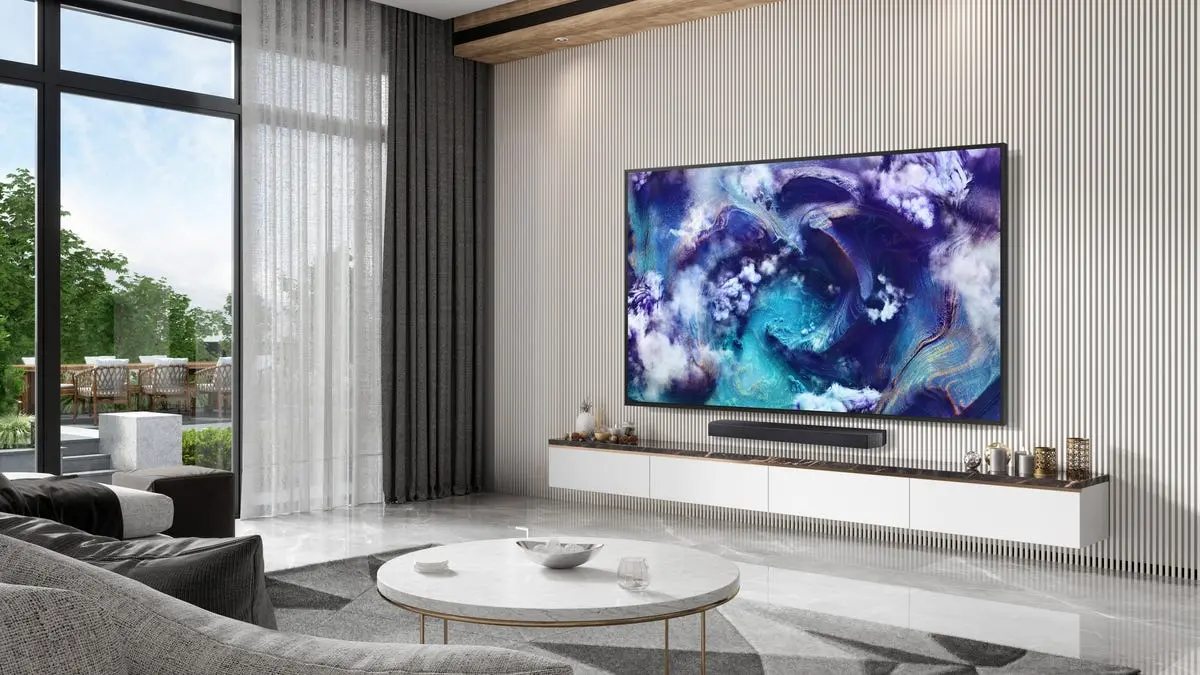
LG permanently reduces prices on its C3 OLED TV series, while Samsung introduces the S95D OLED TV with advanced anti-glare technology. Both companies continue to push the boundaries of TV technology.

LG C3 OLED TV Series Gets Permanent Price Cut
LG has announced a significant and permanent price reduction for its popular C3 OLED TV series. The 42-inch model, which previously retailed for $1,399, is now available for $999, marking a substantial $400 price drop
1
. This move makes high-quality OLED technology more accessible to a broader range of consumers.The C3 series is known for its exceptional picture quality, featuring deep blacks, vibrant colors, and high contrast ratios characteristic of OLED displays. It also boasts a 120Hz refresh rate, making it an excellent choice for both movie enthusiasts and gamers alike.
Samsung Introduces S95D OLED TV with Advanced Anti-Glare Technology
While LG focuses on pricing strategy, Samsung is pushing the boundaries of OLED technology with its new S95D OLED TV. The S95D introduces a groundbreaking anti-glare technology that addresses one of the primary concerns with OLED displays: reflections in bright environments
2
.Samsung's new anti-reflective coating significantly reduces glare without compromising the TV's color accuracy or contrast. This innovation allows viewers to enjoy the superior picture quality of OLED technology even in well-lit rooms, expanding the versatility of these high-end displays.
Competitive Landscape in the OLED TV Market
The contrasting approaches of LG and Samsung highlight the intense competition in the premium TV market. LG's price reduction strategy aims to make OLED technology more accessible to a wider audience, potentially increasing market share. On the other hand, Samsung's focus on technological innovation seeks to differentiate its products and justify premium pricing.
These developments are likely to benefit consumers, as they now have access to more affordable OLED options from LG, as well as technologically advanced models from Samsung that address previous limitations of OLED displays.
Related Stories


Impact on the TV Industry
The permanent price reduction of LG's C3 series and Samsung's technological advancements in the S95D model are expected to have significant implications for the TV industry. These moves may prompt other manufacturers to reassess their pricing strategies and accelerate their research and development efforts to remain competitive.
As OLED technology becomes more affordable and continues to improve, it is likely to further erode the market share of traditional LED-LCD TVs in the premium segment. This shift could lead to increased investment in OLED production, potentially driving down costs across the industry in the long term.
References
Summarized by

Navi
[2]
Related Stories
Recent Highlights
1
Microsoft and Nvidia Launch Surface Laptop Ultra: A $2,599 AI-Ready PC With RTX Spark Chip
Technology

2
Google Unveils Gemini 4 Argon AI Model, Restricts Access to Trusted Cyber Defenders
Technology
3
OpenAI Releases 722 AI-Generated Math Papers on GitHub, Igniting Fury Among Mathematicians
Science and Research

Recent Highlights
Today's Top Stories






Don’t drown in AI news. We cut through the noise - filtering, ranking and summarizing the most important AI news, breakthroughs and research daily. Follow topics that matter to you and stay ahead.


