LILAC: A Versatile AI System for Analyzing Medical Image Series


3 Sources
[1]
A versatile AI system for analyzing series of medical images
A new AI-based system for analyzing images taken over time can accurately detect changes and predict outcomes, according to a study led by investigators at Weill Cornell Medicine, Cornell's Ithaca campus and Cornell Tech. The system's sensitivity and flexibility could make it useful across a wide
[2]
Versatile AI system can detect subtle changes in series of medical images
A new AI-based system for analyzing images taken over time can accurately detect changes and predict outcomes, according to a study led by investigators at Weill Cornell Medicine, Cornell's Ithaca campus and Cornell Tech. The system's sensitivity and flexibility could make it useful across a wide
[3]
AI system accurately detects changes in longitudinal medical images
Weill Cornell MedicineFeb 27 2025 A new AI-based system for analyzing images taken over time can accurately detect changes and predict outcomes, according to a study led by investigators at Weill Cornell Medicine, Cornell's Ithaca campus and Cornell Tech. The system's sensitivity and flexibility
Share
Copy Link
Researchers at Weill Cornell Medicine, Cornell's Ithaca campus, and Cornell Tech have developed LILAC, an AI-based system that can accurately detect changes and predict outcomes from longitudinal medical image series.

LILAC: A Breakthrough in Medical Image Analysis
Researchers at Weill Cornell Medicine, Cornell's Ithaca campus, and Cornell Tech have developed a groundbreaking AI system called LILAC (Learning-based Inference of Longitudinal imAge Changes) that promises to revolutionize the analysis of medical image series. This versatile tool, based on machine learning, has demonstrated remarkable accuracy in detecting changes and predicting outcomes across various medical applications
1
.Innovative Approach to Image Analysis
LILAC stands out from traditional methods by offering unprecedented flexibility and sensitivity. Unlike conventional approaches that require extensive customization and pre-processing, LILAC can automatically perform necessary corrections and identify relevant changes
2
. This capability makes it applicable to a wide range of medical and scientific scenarios, particularly where the expected changes are uncertain or highly variable across individuals.Impressive Performance Across Multiple Applications
The research team, led by Dr. Mert Sabuncu and Dr. Heejong Kim, demonstrated LILAC's effectiveness through several proof-of-concept tests:
-
IVF Embryo Development: LILAC achieved 99% accuracy in determining the chronological order of embryo images
3
. -
Wound Healing: The system accurately ordered images of healing tissue and detected differences in healing rates between treated and untreated tissues
1
. -
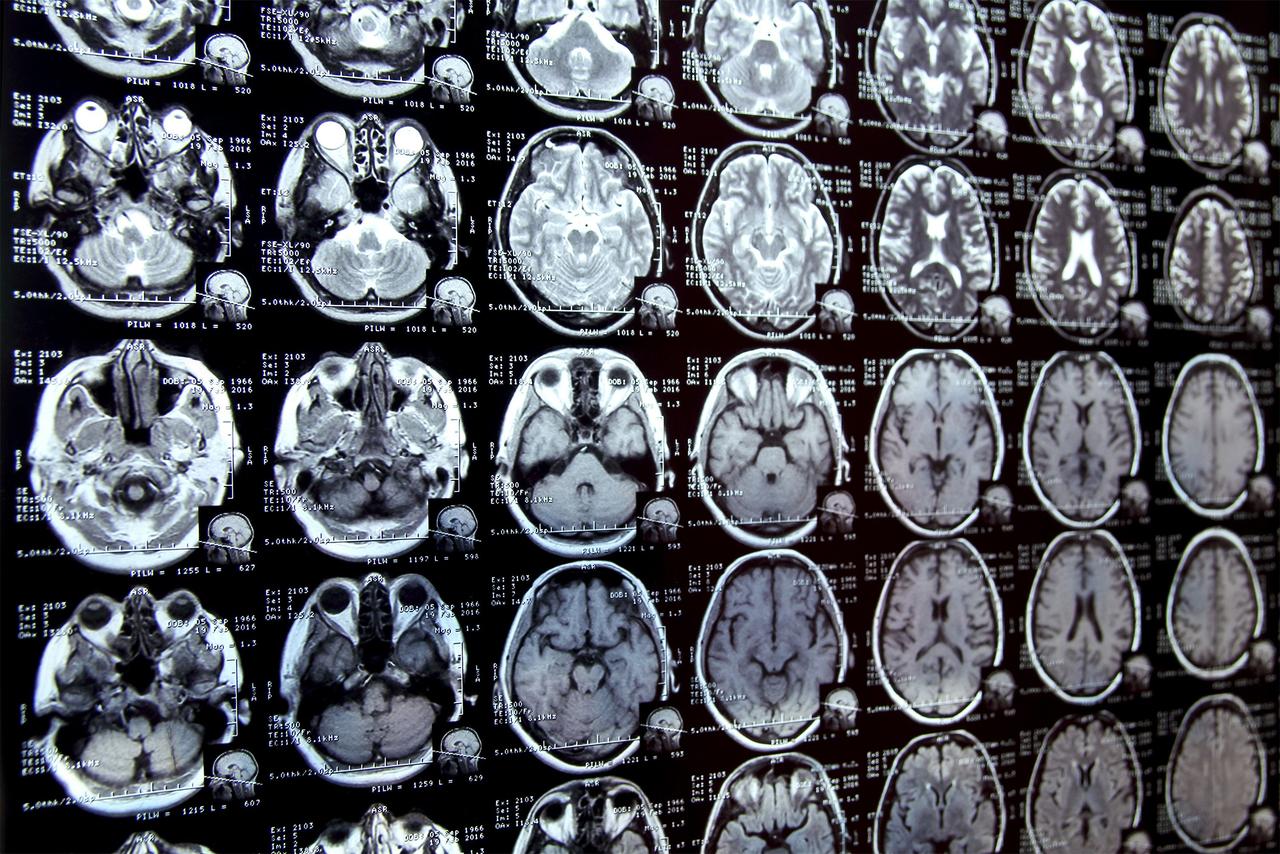
Brain Aging: LILAC predicted time intervals between MRI images of healthy older adults' brains and cognitive scores from MRIs of patients with mild cognitive impairment, outperforming baseline methods
2
.
Potential for Clinical and Scientific Insights
One of LILAC's key strengths is its ability to highlight image features most relevant for detecting changes in individuals or differences between groups. This capability could provide valuable insights for both clinical practice and scientific research
3
.Related Stories

Future Applications
The research team is now planning to demonstrate LILAC's capabilities in a real-world setting, focusing on predicting treatment responses from MRI scans of prostate cancer patients
1
. This application could potentially improve treatment planning and patient outcomes in oncology.Implications for Medical Research and Practice
LILAC's development represents a significant advancement in medical image analysis. Its ability to work across different imaging contexts and detect subtle changes over time could accelerate research in various fields of medicine and biology. Moreover, its flexibility and ease of use make it a promising tool for clinical applications, potentially improving diagnostic accuracy and treatment monitoring
2
.References
Summarized by

Navi
[1]
Related Stories
BiomedParse: A Breakthrough AI Model for Analyzing Multiple Medical Image Types
19 Nov 2024•Health

AI Breakthrough: New Tool Revolutionizes Detection of Rare Gastrointestinal Diseases
25 Oct 2024•Health

MIT's AI System Revolutionizes Medical Image Segmentation for Clinical Research
25 Sept 2025•Science and Research
Recent Highlights



Recent Highlights
Today's Top Stories



Don’t drown in AI news. We cut through the noise - filtering, ranking and summarizing the most important AI news, breakthroughs and research daily. Follow topics that matter to you and stay ahead.


