Linus Torvalds Calls AI a Gateway Drug for Programming But Warns Against Use in Serious Work


2 Sources
[1]
'I use AI to do the things that I'm bad at': Linus Torvalds on why it works for him - ZDNET
* Torvalds likes AI for showing new developers the joy of programming. * Torvalds discussed changes in the Linux kernel development process. * AI has become a vital component in finding and fixing bugs in the Linux kernel. PRAGUE - Many open-source developers still dislike AI. The latest example
[2]
Linux founder Linus Torvalds says AI is a "gateway drug" into programming -- but cautions about using AI for "serious" work
AI-generated code is putting immense stress on maintainers, Torvalds claims For all the doom and gloom headlines AI is driving these days, one important person just gave a refreshing new take on it - none other than Linus Torvalds, the founder and key maintainer of the Linux kernel. At the recent
Share
Copy Link
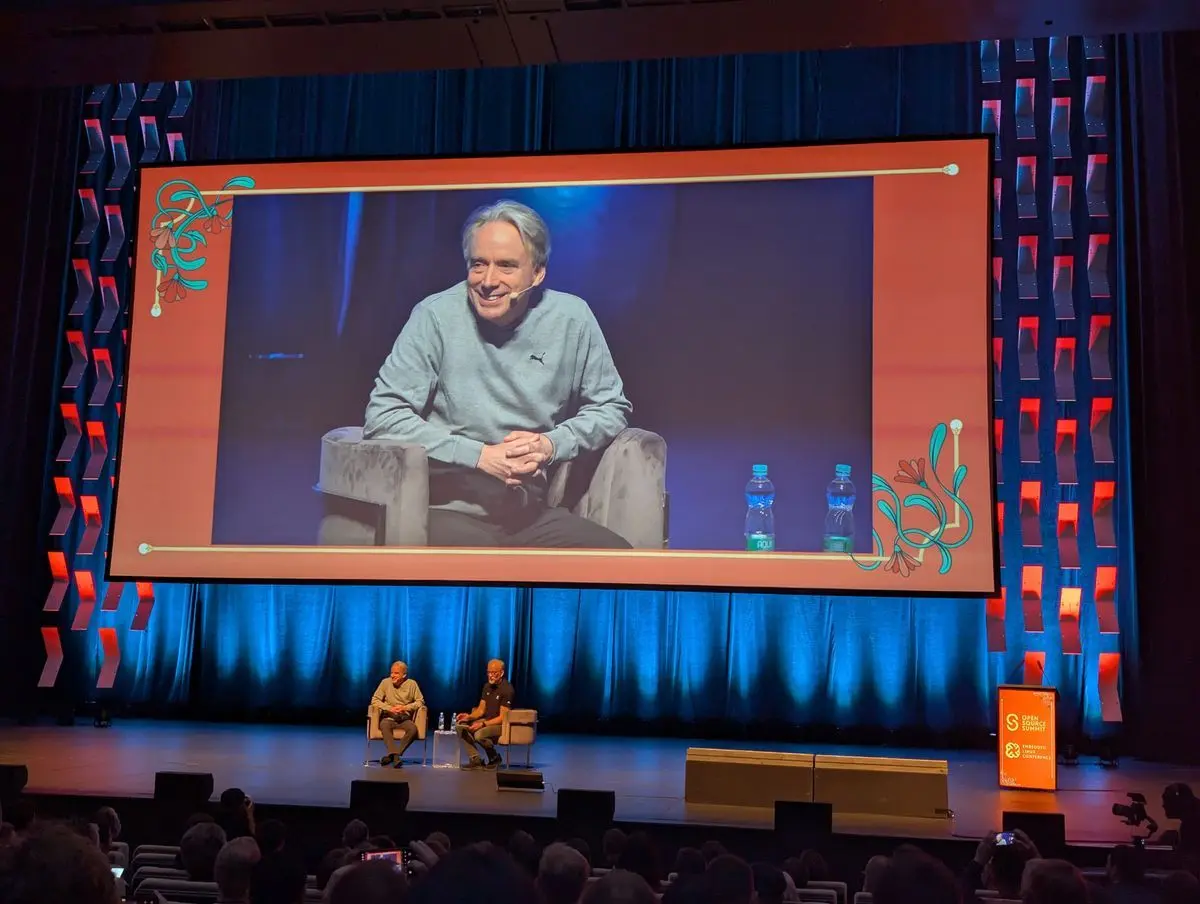
At Open Source Summit Europe, Linux creator Linus Torvalds shared his surprisingly positive view on AI in programming, calling it a gateway drug for beginners. However, he cautioned against using AI for serious work and revealed that AI-generated vulnerability reports are overwhelming Linux kernel maintainers.
Linus Torvalds Embraces AI in Programming With Important Caveats
At the Open Source Summit Europe in Prague, Linus Torvalds surprised many by declaring his enthusiasm for AI in programming. The Linux creator told Dirk Hohndel, head of Ericsson Software Technology, that he actually really likes using AI, marking a departure from the skepticism many open-source developers harbor toward the technology
1
. However, Torvalds was quick to distinguish between using AI for hobby projects versus deploying it in critical Linux kernel development, stating that you need to be very careful using AI when doing something real and important2
.
Source: TechRadar
AI as a Gateway Drug for Junior Coders
Torvalds positioned AI as a gateway drug into programming, particularly valuable for beginner programmers entering an increasingly intimidating field
1
. Reflecting on his own journey that began in 1981, he noted that early computers and programs were much simpler, making it easier for newcomers to feel accomplished. Today's junior coders face a dramatically higher bar in software engineering, where polished professional programs can make their initial efforts feel insignificant2
. Torvalds explained that AI can lower this entry barrier, allowing new programmers to produce work that feels relevant and meaningful, even if their underlying skills are still developing. He shared his personal experience using AI for a hobby project involving a guitar pedal interface, admitting he used AI to do the things he was bad at, specifically converting his functional but aesthetically dated C code into a modern Java interface1
.The AI Deluge Overwhelming Linux Kernel Maintainers
While Torvalds sees value in AI for beginners, he revealed that AI-generated vulnerability reports and patches are creating severe stress for Linux kernel development maintainers
2
. In mid-May 2026, he described the Linux Kernel Mailing List as almost entirely unmanageable due to floods of AI-generated reports, many identifying the same issues with identical tools2
. The problem stems from AI systems flagging security issues in code that nobody has touched in 20 years, forcing maintainers to spend enormous time sorting relevant patches from irrelevant ones2
. Torvalds acknowledged that while some AI-detected issues are genuine and important, others represent mindless band-aid kind of patches that fix symptoms without addressing underlying problems1
.Related Stories
Fighting Fire With Fire: AI Code Review Systems
The solution to the AI-generated patch deluge, ironically, involves more AI rather than less. Torvalds discussed Sashiko, an agentic Linux kernel code review system whose public reviews now appear on LKML
1
. Some subsystem maintainers now expect patches to receive AI review before acceptance, and this requirement appears likely to expand across all maintainers1
. Torvalds noted that the community is fighting the AI deluge of patches with their own AI deluge of patch reviews, creating scenarios where bots are essentially talking to bots2
. At the Linux Kernel Maintainer Summit, three-quarters of discussions focused on making AI tools for both code generation and review less stressful and more useful1
.The Right Way to Use AI for Serious Work
Torvalds emphasized that effective AI use in open-source development requires knowing exactly what outcome you want and understanding how to evaluate the results
2
. He treats AI as a tool rather than a replacement for human judgment, particularly important given his role as Linux maintainer rather than active kernel programmer1
. Despite the challenges, Torvalds believes AI is improving the Linux code base overall, even as it creates new pressures on maintainers1
. The bottleneck in Linux kernel development is no longer getting patches but getting useful work through review without exhausting the people responsible for it1
. For those starting with AI in programming, Torvalds recommends beginning with toy projects or personal projects before applying it to anything more serious, ensuring developers build the judgment needed to use AI responsibly in critical systems2
.References
Summarized by

Navi
[1]
Related Stories
Linus Torvalds tells AI critics to fork Linux or walk away as kernel embraces AI coding tools
16 Jul 2026•Technology
Linus Torvalds Discusses AI, Rust, and the Future of Linux at KubeCon China
23 Aug 2024

Linus Torvalds experiments with vibe coding on hobby project, but Linux remains untouched
12 Jan 2026•Technology

Recent Highlights
1
Microsoft and Nvidia Launch Surface Laptop Ultra: A $2,599 AI-Ready PC With RTX Spark Chip
Technology

2
Trump Consulted Grok AI Before Ordering Venezuela Invasion and Capture of Nicolás Maduro
Policy and Regulation

3
Scientists Build AI Model That Reconstructs Images From Brain Scans in Record Time
Science and Research

Recent Highlights
Today's Top Stories







Don’t drown in AI news. We cut through the noise - filtering, ranking and summarizing the most important AI news, breakthroughs and research daily. Follow topics that matter to you and stay ahead.


