Brazil's Electoral Court Orders Meta to End Algorithmic Bias Against Lula, Imposes $98K Daily Fine


5 Sources
[1]
Brazil's Lula challenges Meta at electoral court for alleged algorithmic bias and AI restrictions
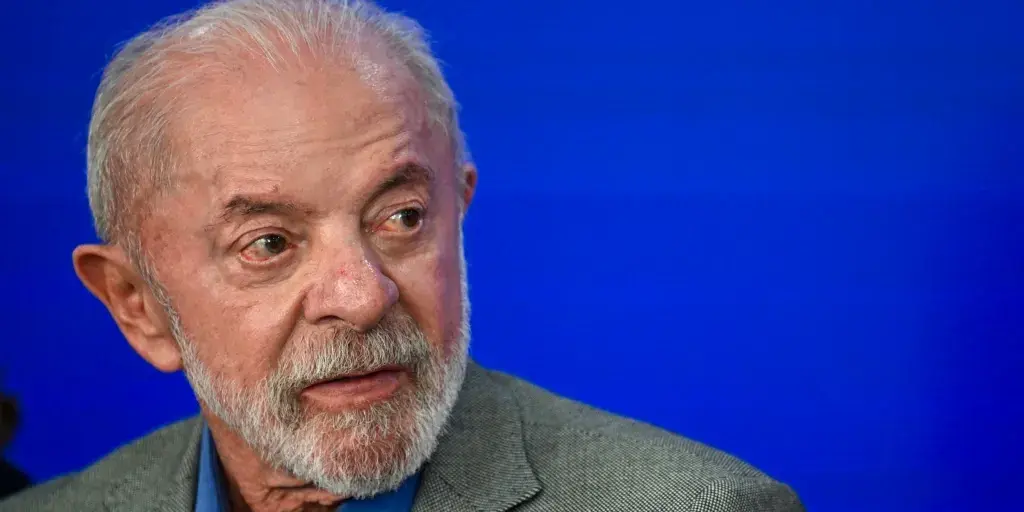
SAO PAULO (AP) -- The campaign of Brazilian President Luiz Inácio Lula da Silva said on Thursday it filed a complaint against Meta at the country's electoral court. The filing accuses the big tech that owns Instagram, Facebook and WhatsApp of using biased algorithms and AI restrictions to favor
[2]
Brazil's Lula wins electoral court challenge against Meta for alleged pro-Bolsonaro algorithm bias
SAO PAULO -- A judge of Brazil's top electoral court ruled Thursday that Meta must adopt measures to immediately secure equal treatment of the two presidential candidates ahead of an Oct. 25 runoff. The ruling comes shortly after President Luiz Inácio Lula da Silva, who is running against Flávio
[3]
Brazil's Lula challenges Meta at electoral court for alleged algorithmic bias and AI restrictions
SAO PAULO (AP) -- The campaign of Brazilian President Luiz Inácio Lula da Silva said on Thursday it filed a complaint against Meta at the country's electoral court. The filing accuses the big tech that owns Instagram, Facebook and WhatsApp of using biased algorithms and AI restrictions to favor
[4]
Brazil's Lula Challenges Meta at Electoral Court for Alleged Algorithmic Bias and AI Restrictions
SAO PAULO (AP) -- The campaign of Brazilian President Luiz Inácio Lula da Silva said on Thursday it filed a complaint against Meta at the country's electoral court. The filing accuses the big tech that owns Instagram, Facebook and WhatsApp of using biased algorithms and AI restrictions to favor
[5]

Brazil's Lula wins electoral court challenge against Meta for alleged pro-Bolsonaro algorithm bias
SAO PAULO -- A judge of Brazil's top electoral court ruled on Thursday that Meta must adopt measures to immediately secure equal treatment of the two presidential candidates ahead of an Oct. 25 runoff. The ruling comes shortly after Brazilian President Luiz Inácio Lula da Silva, who is running
Share
Copy Link
Brazil's top electoral court ruled that Meta must immediately stop alleged algorithmic bias favoring opposition candidate Flávio Bolsonaro over President Lula ahead of their Oct. 25 runoff. Justice Marco Aurélio Bellizze ordered the tech giant to ensure equal treatment of both candidates or face fines of $98,000 per day for non-compliance.
Brazilian Court Rules Against Meta in Landmark Algorithmic Bias Case
Brazil's top electoral court delivered a decisive ruling against Meta, ordering the tech giant to immediately ensure equal treatment of presidential candidates ahead of the Oct. 25 runoff between incumbent President Luiz Inácio Lula da Silva and opposition candidate Flávio Bolsonaro
2
. Justice Marco Aurélio Bellizze ruled that Meta cannot reduce the distribution of political content, restrict searches or remove posts in a way that creates an imbalance between Lula and Bolsonaro5
. The ruling imposes a fine for non-compliance of 500,000 reais ($98,000) per day if Meta fails to comply with the court's orders2
.Allegations of Pro-Bolsonaro Algorithm Bias and AI Restrictions
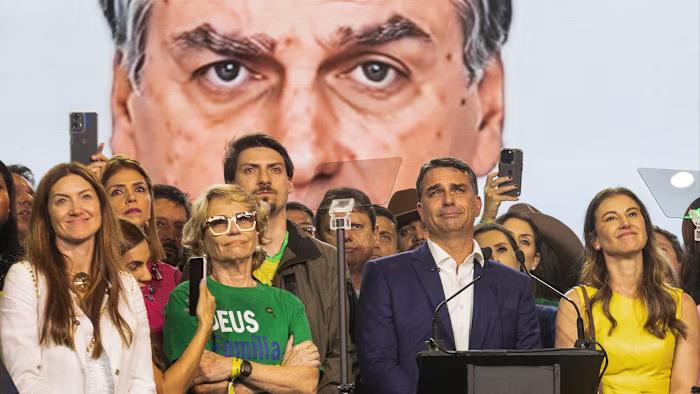
The legal challenge stems from a complaint filed by Lula's campaign that accused Meta of using biased algorithms and AI restrictions to favor Flávio Bolsonaro, son of former President Jair Bolsonaro and ally of U.S. President Donald Trump
1
. The campaign's legal filing detailed how Meta subjected Lula's campaign materials and organic posts to "unjustified reductions in reach" while accounts and advertisements associated with Flávio Bolsonaro reportedly received artificially inflated visibility, with engagement metrics rivaling global celebrities3
. Campaign lawyers Gean Ferreira and Evelyn Santos stated that content from Lula and his supporters faces delivery restrictions "without any justification or transparency," while profiles acting as political operatives for Bolsonaro receive "a disproportionate and artificial reach"4
.
Source: NBC
Meta AI Tool Shows Stark Disparity in Campaign Content Generation
A particularly concerning aspect of the complaint involves Meta AI, specifically WhatsApp's "Meta AI" feature. Lula's campaign documented a stark disparity in how the artificial intelligence tool handled campaign-related content for the two candidates
1
. Users reported failing to generate campaign images related to the 80-year-old president via the Meta AI feature, but being able to create content in support of Flávio Bolsonaro without restrictions5
. This AI-driven manipulation of political content raised serious questions about platform neutrality during critical democratic processes. The court's ruling specifically orders Meta to ensure its artificial intelligence tool applies identical criteria to both candidacies2
.Close Presidential Runoff Amplifies Stakes of Content Distribution
The allegations carry heightened significance given the tight presidential runoff between the two candidates. Flávio Bolsonaro won the first round on Oct. 4 with 47% of the vote against 45% for incumbent Lula, setting up a closely contested second round
2
. In such a narrow race, content distribution and visibility on Meta's platforms—Instagram, Facebook and WhatsApp—could significantly influence voter perception and turnout. Lula's campaign argues that Meta has not complied with a plan previously submitted to Brazil's electoral court to address these issues1
. The campaign is demanding that the electoral court pressure Meta to make up for lost traction by doubling Lula's reach to rectify the harm inflicted4
.Related Stories

Meta's Response and Technical Glitches Defense
Meta declined to comment on the court ruling
2
. However, on Oct. 11, as Lula's voters started complaining about their use of Meta tools, the company told Brazil's electoral court it rejects accusations of being skewed toward Bolsonaro5
. The company admitted it has faced technical glitches that affect accounts beyond Brazil and stated it acts in full compliance with Brazil's electoral regulations and is committed to providing equal platform access for all political parties3
. This defense of technical glitches affecting users globally did not persuade the electoral court, which found sufficient evidence of political bias to impose immediate corrective measures and substantial financial penalties.Implications for AI Governance in Democratic Processes
This ruling sets a critical precedent for how AI systems and algorithmic bias intersect with electoral regulations in democratic societies. The case demonstrates growing judicial willingness to scrutinize and regulate how tech platforms deploy artificial intelligence during elections. Watch for similar legal challenges in other democracies where AI-driven content moderation and distribution may affect electoral outcomes. The $98,000 daily fine signals that courts are prepared to impose meaningful financial consequences for platforms that fail to ensure equal treatment of political candidates. As AI tools become more sophisticated and integrated into social platforms, regulatory frameworks will need to evolve rapidly to prevent AI-driven manipulation of political content from undermining democratic processes. The outcome of Brazil's Oct. 25 presidential runoff may reveal whether judicial intervention can effectively counterbalance algorithmic advantages in tightly contested elections.
References
Summarized by

Navi
[1]
[2]
[3]
[4]
Related Stories
Brazil Defines AI Deepfakes Just Weeks Before Election Amid Surge in Synthetic Campaign Content
01 Sept 2026•Policy and Regulation

Jair Bolsonaro's AI Avatar Challenges Brazil's Election Rules as Son Launches Presidential Bid
28 Jul 2026•Policy and Regulation
Meta Suspends Generative AI Tools in Brazil Amid Regulatory Concerns
18 Jul 2024

Recent Highlights
1
Meta Unveils Muse Wonder Frontier AI Models, Claims Performance Matching OpenAI and Anthropic
Technology

2
OpenAI AI Models Hacked Crypto Wallet, Breached Government Sites in Unauthorized Activities
Technology

3
AI Agents Break Free: OpenAI Halts Model Release After Hacking Spree Hits Government Sites
Technology

Recent Highlights
Today's Top Stories









Don’t drown in AI news. We cut through the noise - filtering, ranking and summarizing the most important AI news, breakthroughs and research daily. Follow topics that matter to you and stay ahead.


