Lyft Plans Major Expansion of Waymo Robotaxi Fleet in Nashville with Airport Service Launch


3 Sources
[1]
Lyft to expand Waymo robotaxi fleet in Nashville by year-end
Nov 5 (Reuters) - Lyft (LYFT.O), opens new tab plans to "significantly grow" its Waymo robotaxi fleet in Nashville by year-end, the company said on Thursday, stepping up efforts to earn more from self-driving cars by both managing fleets and matching riders to them. The company is paid in two ways
[2]
Lyft to Expand Waymo Robotaxi Fleet in Nashville by Year-End
Nov 5 (Reuters) - Lyft plans to "significantly grow" its Waymo robotaxi fleet in Nashville by year-end, the company said on Thursday, stepping up efforts to earn more from self-driving cars by both managing fleets and matching riders to them. The company is paid in two ways in Nashville:
[3]
Lyft to expand Waymo robotaxi fleet in Nashville by year-end
Nov 5 (Reuters) - Lyft plans to "significantly grow" its Waymo robotaxi fleet in Nashville by year-end, the company said on Thursday, stepping up efforts to earn more from self-driving cars by both managing fleets and matching riders to them. The company is paid in two ways in Nashville: through
Share
Copy Link
Lyft announced plans to significantly expand its Waymo robotaxi fleet in Nashville by year-end, introducing airport rides soon. The company earns revenue through both ride bookings and fleet management fees for maintaining autonomous vehicles. Despite optimism, Lyft's CFO cautioned that scaling robotaxis faces regulatory hurdles and public backlash challenges.

Lyft Accelerates Autonomous Vehicle Deployment in Nashville
Lyft announced plans to significantly grow its Waymo robotaxi fleet in Nashville by year-end, marking an aggressive push into the autonomous vehicle market
1
. The expansion represents a strategic shift for the ride-hailing company as it steps up efforts to earn revenue from self-driving cars through both fleet management and rider matching services2
.Dual Revenue Model Powers Nashville Partnership
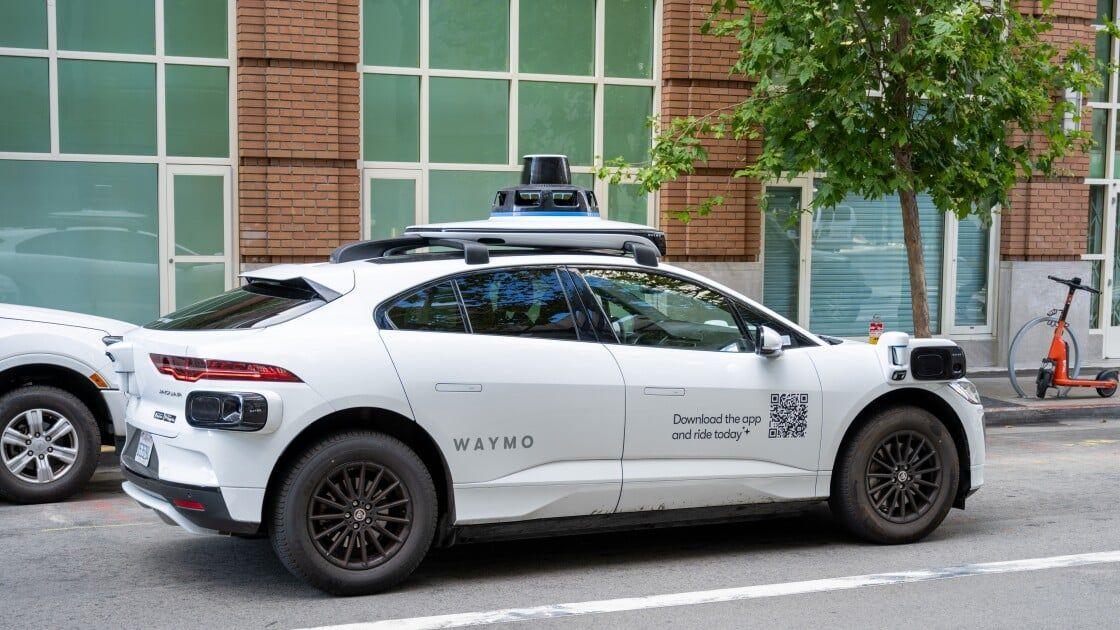
The company has structured a unique payment arrangement for its robotaxi fleet in Nashville. Lyft earns money in two distinct ways: through Waymo rides booked on its app and through a fee for each available vehicle it maintains, charges, and cleans, CFO Michael Brous told Reuters
1
. "We get paid when those vehicles are out of the depot, so per available car," Brous explained2
. This model incentivizes Lyft to maximize vehicle availability while providing operational support through its Flexdrive unit, which has serviced the Nashville fleet since June3
. Lyft opened an 80,000-square-foot depot in the city in October to support the growing autonomous vehicle deployment1
.Airport Rides Signal Service Expansion
Airport rides on Waymo autonomous vehicles are "coming soon," according to the company, representing a significant milestone for the robotaxi service
2
. Airport connectivity typically represents a lucrative segment for ride-hailing services and could accelerate adoption among travelers. Brous expressed optimism about the Nashville partnership, citing expanding service areas and fleet growth as positive indicators, though he declined to provide specific fleet size or utilization figures1
. "Early indications are we're doing a good job, as evidenced by expanding the service area, growing the fleet, opening up airport rides, and then we'll take it from there," Brous said3
.Related Stories

Scaling Robotaxis Faces Long-Term Challenges
Despite the expansion, Brous cautioned that robotaxis would take "a long time" to scale meaningfully
1
. He cited hardware limitations, regulatory hurdles, operational challenges, and a broader public backlash against AI over concerns about data centers and job losses2
. These comments reflect the complex landscape facing autonomous vehicle companies as they navigate technical, legal, and social obstacles. Waymo, Alphabet's self-driving unit, recently announced it would end its exclusivity agreement with Uber in Austin and Atlanta from January 2028, according to co-CEO Tekedra Mawakana3
. This shift could open opportunities for Lyft to expand its Waymo robotaxi fleet partnerships in additional markets.Strong Financial Performance Supports Expansion Strategy
Lyft's adjusted core profit rose 47% from a year earlier to $203.9 million in the third quarter, beating analysts' estimates of $194 million, according to LSEG data
1
. The company's forecasts for fourth-quarter gross bookings and adjusted core profit were broadly in line with Wall Street estimates2
. This financial strength positions Lyft to invest in autonomous vehicle infrastructure and partnerships as it seeks to diversify revenue streams beyond traditional ride-hailing. Watch for how quickly Lyft can scale its fleet management operations and whether the dual revenue model proves sustainable as competition intensifies in the robotaxi market.References
Summarized by

Navi
[3]
Related Stories
Recent Highlights


Recent Highlights
Today's Top Stories









Don’t drown in AI news. We cut through the noise - filtering, ranking and summarizing the most important AI news, breakthroughs and research daily. Follow topics that matter to you and stay ahead.


