Tesla vs. Waymo: Contrasting Approaches Shape the Future of Robotaxis


5 Sources
[1]
How Tesla and Waymo's radically different robotaxi approaches will shape the industry
Aug 28 (Reuters) - A month after Tesla (TSLA.O), opens new tab launched a trial robotaxi service in Austin, Texas, in June for select fans, CEO Elon Musk told investors that the company's driverless taxis would likely be available to "half the population of the U.S." by the end of this
[2]
How Tesla and Waymo's radically different robotaxi approaches will shape the industry - The Economic Times
Elon Musk says Tesla's robotaxis could reach half of the US by year-end, contrasting with Waymo's slower, safety-focused rollout. Tesla relies on camera-based AI to scale quickly, while Waymo uses mapping and sensors. Analysts see Tesla's approach as riskier but cheaper.A month after Tesla launched
[3]
How Tesla and Waymo's radically different robotaxi approaches will shape the industry
A month after Tesla launched a trial robotaxi service in Austin, Texas, in June for select fans, CEO Elon Musk told investors that the company's driverless taxis would likely be available to "half the population of the U.S." by the end of this year. Alphabet's Waymo -- the U.S. leader in
[4]
How Tesla and Waymo's radically different robotaxi approaches will shape the industry
(Reuters) -A month after Tesla launched a trial robotaxi service in Austin, Texas, in June for select fans, CEO Elon Musk told investors that the company's driverless taxis would likely be available to "half the population of the U.S." by the end of this year. Alphabet's Waymo - the U.S. leader in
[5]
Tesla vs. Waymo: The race towards autonomous driving and robotaxis
Despite Waymo's lead, analysts predict that Tesla's aggressive expansion strategy could eventually dominate the ride-sharing market. The autonomous driving sector is witnessing a fierce battle between two giants: and . Their contrasting approaches highlight the different paths available in this
Share
Copy Link
Tesla and Waymo are taking radically different approaches to developing and deploying robotaxi services, with implications for safety, scalability, and market dominance in the autonomous driving industry.
Tesla and Waymo: Contrasting Approaches to Robotaxi Development
In the rapidly evolving world of autonomous driving, two tech giants, Tesla and Waymo, are taking markedly different approaches to developing and deploying robotaxi services. This contrast in strategies has significant implications for the future of the industry, which some analysts predict could become a multi-trillion-dollar market within the next 15 years
1
.Tesla's Ambitious Expansion Plans
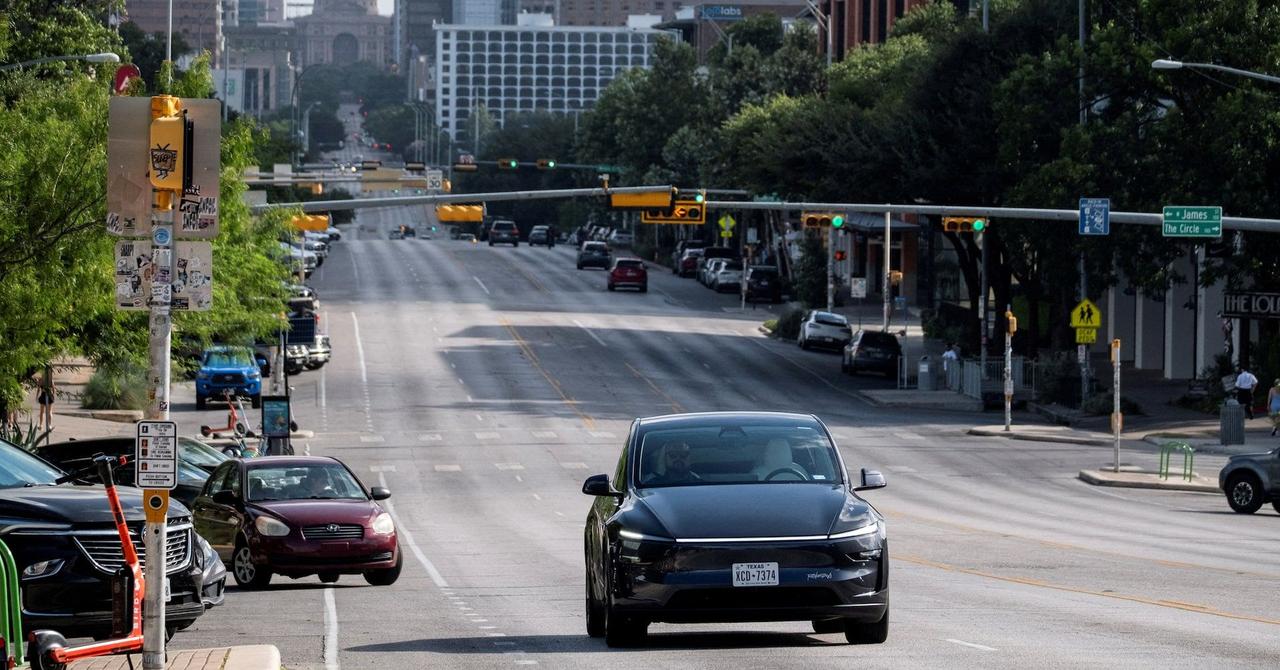
Source: Reuters
Tesla, led by CEO Elon Musk, is pursuing an aggressive expansion strategy for its robotaxi service. After launching a trial in Austin, Texas, in June, Musk boldly claimed that Tesla's driverless taxis would be available to "half the population of the U.S." by the end of the year
1
. This ambitious timeline is based on Tesla's unique approach to autonomous driving technology.Tesla's system relies primarily on cameras and artificial intelligence, eschewing the need for additional sensors and high-definition mapping
2
. The company claims this allows for a more human-like decision-making process and enables faster scaling across different environments. Musk asserts, "Once we can make it basically work in a few cities in America, we can make it work anywhere in America"1
.Waymo's Cautious and Methodical Approach
In stark contrast, Waymo, a subsidiary of Alphabet, has taken a more measured approach to expansion. Despite launching its first test service in Phoenix over eight years ago, Waymo currently operates in areas covering only about 3% of the U.S. population
3
.Waymo's strategy involves comprehensive mapping of new cities and a phased introduction of autonomous ride-hailing services. This process includes extensive testing with drivers in the front seat and employees as passengers before opening to the public
1
. The company argues that this meticulous approach is crucial for ensuring safety and adapting to the unique characteristics of each city's infrastructure.
Source: Market Screener
Technological Differences
The core technological approaches of Tesla and Waymo differ significantly:
- Tesla uses an AI method where video from vehicle cameras is directly interpreted and translated into driving decisions
4
. - Waymo employs a more step-by-step process, utilizing high-definition maps and advanced sensors to recognize objects and plan vehicle paths
4
.
Waymo has experimented with aspects of Tesla's approach but noted "challenges and limitations" with its performance in a research paper last year
4
.Related Stories


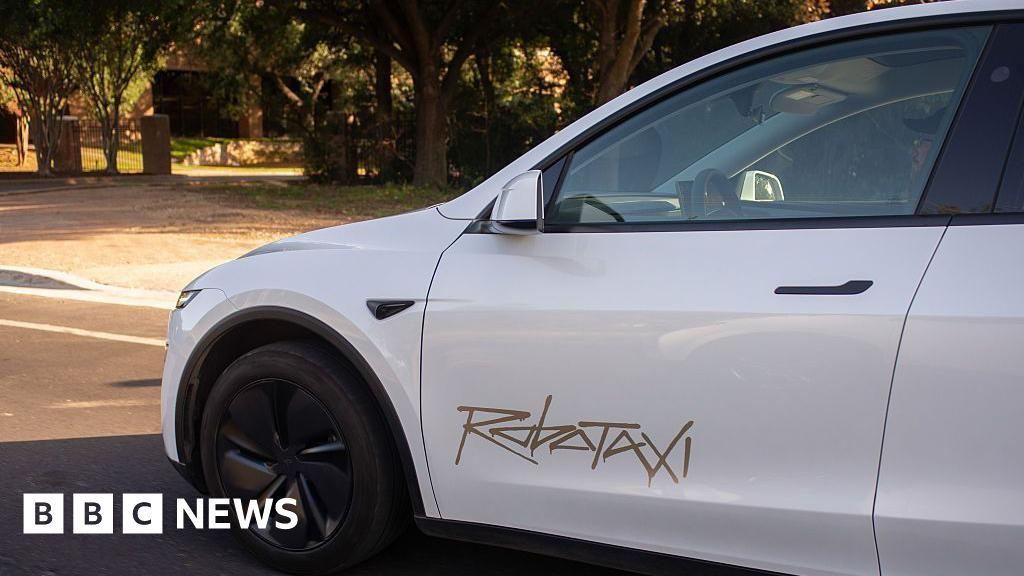
Safety Considerations and Market Implications
Both companies emphasize the importance of safety, but their methods for achieving it differ. Waymo's Aman Nalavade stated, "We really need to understand the core ingredients of each of these cities. There is a lot of risk in doing this incorrectly"
1
. Musk, while acknowledging the need for caution, believes Tesla's approach allows for faster scaling without compromising safety.The market implications of these strategies are significant. Some analysts attribute a large portion of Tesla's stock market value to its potential in autonomous driving, betting on its ability to scale faster than competitors
1
. However, Tesla faces pressure to deliver on its promises, especially as its core electric vehicle business faces challenges4
.Current Market Position and Future Outlook
As of now, Waymo is the only company in the United States offering a paid, fully autonomous ride-hailing service open to the public, operating in several major cities
4
. Tesla, on the other hand, is still in the testing phase but has set an ambitious goal of having "millions of Teslas operating autonomously" by the second half of next year4
.Analyst Paul Miller from Forrester Research suggests that while Waymo's approach may be safer and more realistic in the short term, Tesla's strategy, though riskier, offers a "far cheaper approach to scale globally"
1
.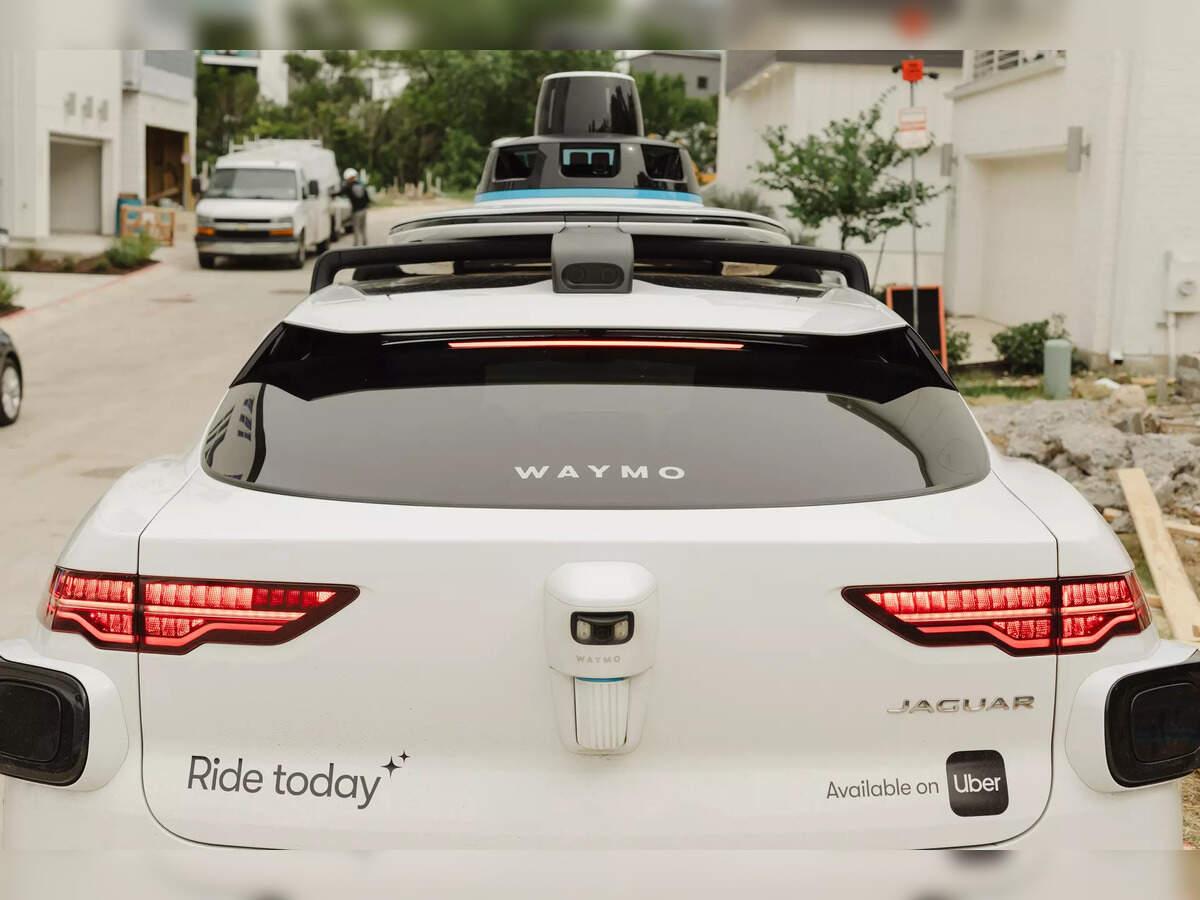
Source: ET
As the autonomous driving industry continues to evolve, the contrasting approaches of Tesla and Waymo will likely shape its future, influencing everything from technological development to regulatory frameworks and public acceptance of self-driving vehicles.
References
Summarized by

Navi
[3]
[4]
[5]
Related Stories
Recent Highlights



Recent Highlights
Today's Top Stories






Don’t drown in AI news. We cut through the noise - filtering, ranking and summarizing the most important AI news, breakthroughs and research daily. Follow topics that matter to you and stay ahead.


