Malaysia Curbs Data Center Growth, Impacting China's AI Chip Access


3 Sources
[1]
Malaysia reins in data centre growth, complicating China's AI chip access
BEIJING/KUALA LUMPUR/SINGAPORE, Sept 12 (Reuters) - Malaysia, a hotspot for data centres, is reining in the pace of expansion in a move industry insiders and analysts expect will hinder China's efforts to gain access to powerful chips that are crucial to improving its artificial intelligence
[2]
Malaysia reins in data centre growth, complicating China's AI chip access - The Economic Times
Malaysia, a hotspot for data centres, is reining in the pace of expansion in a move industry insiders and analysts expect will hinder China's efforts to gain access to powerful chips that are crucial to improving its artificial intelligence capabilities. The Southeast Asian country has drawn in
[3]
Malaysia reins in data centre growth, complicating China's AI chip access
BEIJING/KUALA LUMPUR/SINGAPORE (Reuters) -Malaysia, a hotspot for data centres, is reining in the pace of expansion in a move industry insiders and analysts expect will hinder China's efforts to gain access to powerful chips that are crucial to improving its artificial intelligence
Share
Copy Link
Malaysia is slowing down data center expansion due to resource constraints and U.S. pressure, potentially hindering China's access to crucial AI chips. This move is expected to impact the AI industry and geopolitical relations in Southeast Asia.
Malaysia's Data Center Boom and Its Challenges
Malaysia has emerged as a hotspot for data center investments, attracting major players from both the United States and China. The country's appeal lies in its cheap land and electricity costs, coupled with robust local AI demand prospects
1
. However, this rapid expansion is now facing significant hurdles, with Malaysia taking steps to rein in the pace of growth.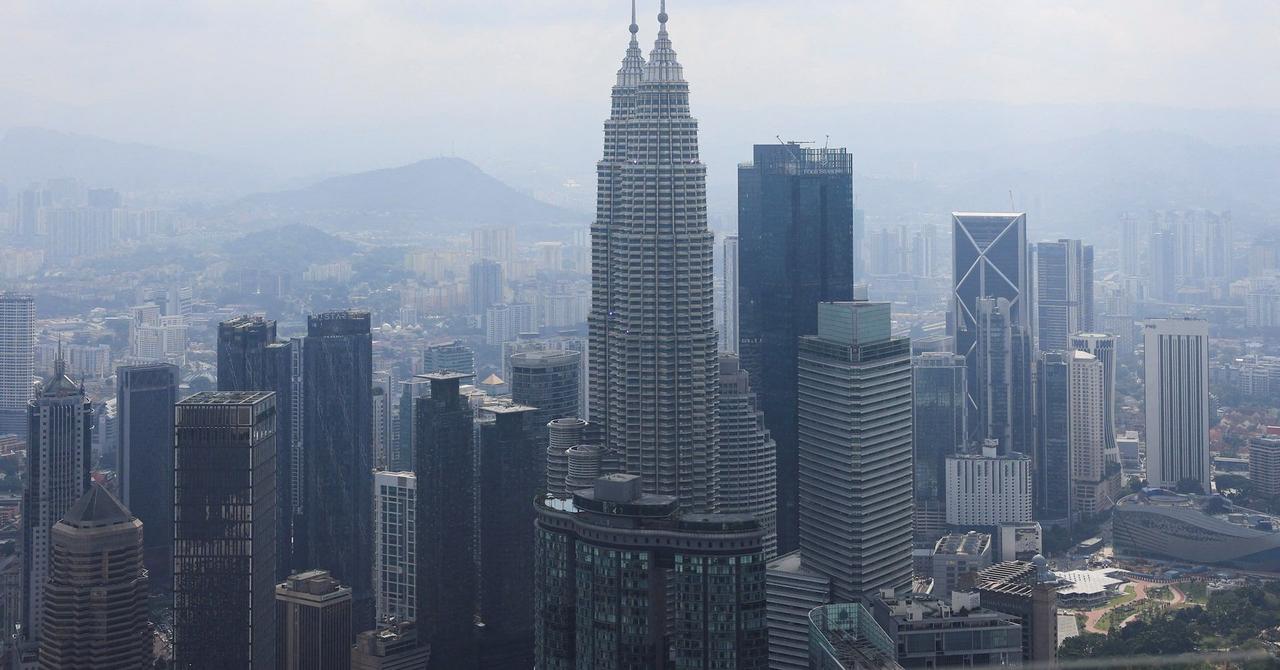
Source: Reuters
Resource Constraints and Regulatory Pressures
The slowdown in data center expansion is primarily driven by two factors:
-
Resource Limitations: Malaysia is grappling with power grid capacity and water resource constraints
1
. -
U.S. Pressure: There's increasing pressure from Washington to prevent Chinese firms from using the region as a backdoor to access U.S.-made AI chips that are under export controls
2
.
Impact on China's AI Capabilities
This development is expected to hinder China's efforts to gain access to powerful chips crucial for improving its artificial intelligence capabilities. In July, Malaysia announced that it would require permits for all exports, trans-shipments, and transits of U.S.-made high-performance chips, such as those made by Nvidia
3
.The 'AI Belt and Road' Initiative
China's overseas push for data centers began with a three-year action plan in 2021, encouraging firms to expand abroad, especially in countries signed onto Xi Jinping's Belt and Road Initiative
1
. This led to significant investments in Malaysia, including a hyperscale data center campus in Johor operated by GDS Holdings, one of China's largest data center operators.Related Stories

Johor: Malaysia's Data Center Hub
Johor has become Malaysia's leading data center investment hub, with 42 projects worth 164.45 billion ringgit ($39.08 billion) approved as of the second quarter of 2025
3
. However, the state has begun to implement stricter controls:- A vetting committee was introduced last year for data center projects.
- About 30% of applications were rejected as of late 2024 for failing to demonstrate sustainable practices for water and energy usage
1
.
Geopolitical Implications
The situation is further complicated by ongoing trade tensions between the U.S. and China. The U.S. Commerce Department has raised concerns about data centers outside China potentially purchasing AI chips to train AI models in China, including for military uses
2
.As Malaysia works to finalize a trade deal with the United States, scrutiny on these projects is expected to increase. This puts Malaysia in a delicate position as it balances its relationships with both China, its largest trading partner in Southeast Asia, and the United States.
References
Summarized by

Navi
[2]
[3]
Related Stories
Malaysia Implements Trade Permits for U.S. AI Chips Amid Global Export Control Concerns
14 Jul 2025•Policy and Regulation

Chinese AI Firms Bypass US Chip Restrictions by Exporting Data to Malaysia
15 Jun 2025•Technology

U.S. Pressures Malaysia to Tighten Semiconductor Regulations Amid Concerns Over AI Chip Flow to China
24 Mar 2025•Technology
Recent Highlights



Recent Highlights
Today's Top Stories







Don’t drown in AI news. We cut through the noise - filtering, ranking and summarizing the most important AI news, breakthroughs and research daily. Follow topics that matter to you and stay ahead.


