Man faces 5 years in prison after AI image of escaped wolf Neukgu disrupted South Korea rescue


6 Sources
[1]
Man faces 5 years in prison for using AI to fake sighting of runaway wolf
A 40-year-old man was arrested after using artificial intelligence to generate a fake image of a runaway wolf that South Korean authorities said obstructed an urgent investigation, the BBC reported. After Neukgu, a two-year-old wolf, burrowed out of a zoo in Daejeon city, officials launched an
[2]
Neukgu: South Korea police arrest man over AI image of runaway wolf
South Korean police have arrested a man for sharing an AI-generated image that misled authorities who were searching for a wolf that had broken out of a zoo in Daejeon city. The 40-year-old unnamed man is accused of disrupting the search by creating and distributing a fake photo purporting to show
[3]
South Korean Man Might Get Prison Time for Posting AI Wolf Picture
Have you ever been fooled by Hurricane Shark, the 14-year-old photoshopped image appearing to show a shark submerged below the waterline on a flooded freeway, and usually posted during hurricanes by some attention-starved person on social media? Well what if the shark were a wolf? And what if it
[4]
Man Arrested Over AI Image of Wolf That Escaped From Korean Zoo
A convincing AI-generated image of a runaway wolf in South Korea led to the arrest of a man after it derailed the rescue team searching for the canine. A two-year-old wolf named Neukgu broke out of his zoo in the city of Daejeon earlier this month, captivating the public and even prompting the
[5]

South Korea Arrests Man for a Fake AI Wolf Photo That Raised Alarms - Decrypt
The charge -- obstructing official duties by deception -- carries a maximum penalty of five years in prison or a fine of 10 million Korean won. South Korean police arrested a man Thursday for posting an AI-generated photo of an escaped wolf -- an image convincing enough to fool city officials and
[6]

South Korea arrests man for spreading AI-generated image of escaped wolf - VnExpress International
The two-year-old male wolf named Neukgu dug out of his enclosure in the central city of Daejeon on April 8 and was on the run for nine days before being recaptured. The city government and major media outlets shared an image that had spread widely online purporting to show a light-brown wolf
Share
Copy Link
A man in South Korea was arrested for creating a fake AI image showing runaway wolf Neukgu at a city intersection, which authorities say delayed the nine-day search by diverting emergency workers and resources. The AI-generated photo was convincing enough to trigger emergency alerts to residents and was even displayed at an official press briefing before police identified it as fabricated.
Man Arrested for Creating Fake AI Wolf Photo
A 40-year-old man in South Korea now faces up to five years in prison or a fine of 10 million Korean won ($6,700) after police arrested him for creating and distributing a fake AI image of Neukgu, a two-year-old wolf that escaped from O-World Zoo in Daejeon
1
. The AI-generated photo, which appeared hours after the runaway wolf burrowed out of his enclosure on April 8, showed Neukgu trotting down a road intersection and proved convincing enough to fool city officials2
.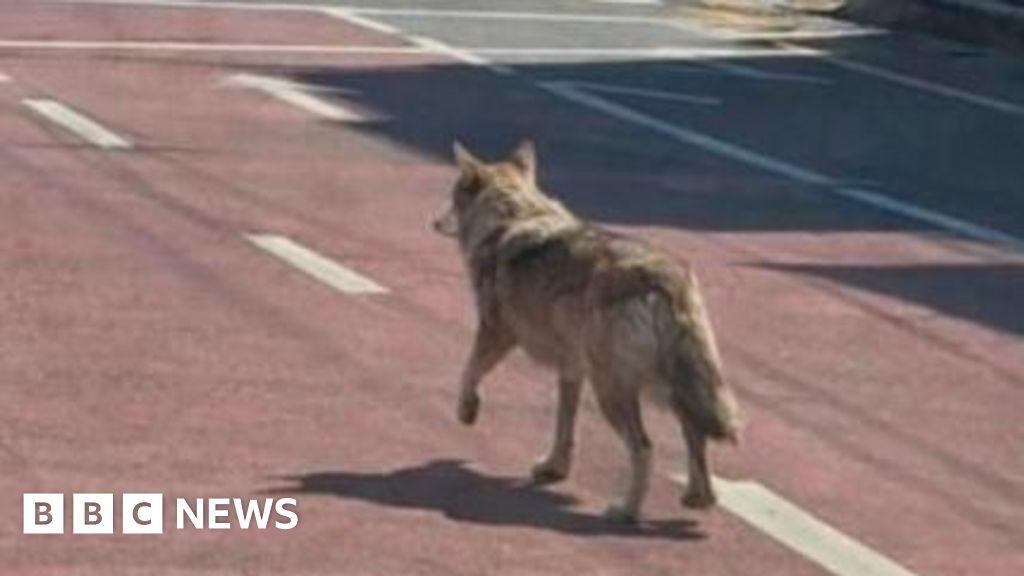
Source: BBC
When questioned by authorities, the unnamed man admitted he created the fake AI wolf photo "just for fun"
5
. Police charged him with obstructing official duties by deception, a serious offense that highlights the growing consequences of AI-generated misinformation during emergency situations3
.How the AI Image Disrupted Search Efforts
The fake AI image triggered immediate action from Daejeon city government, which issued an emergency public warning via text message to residents, alerting them that a wolf was near the intersection shown in the photo
4
. Authorities also presented the AI image during a press briefing while diverting emergency workers and resources to search the area depicted in the fabricated photo1
.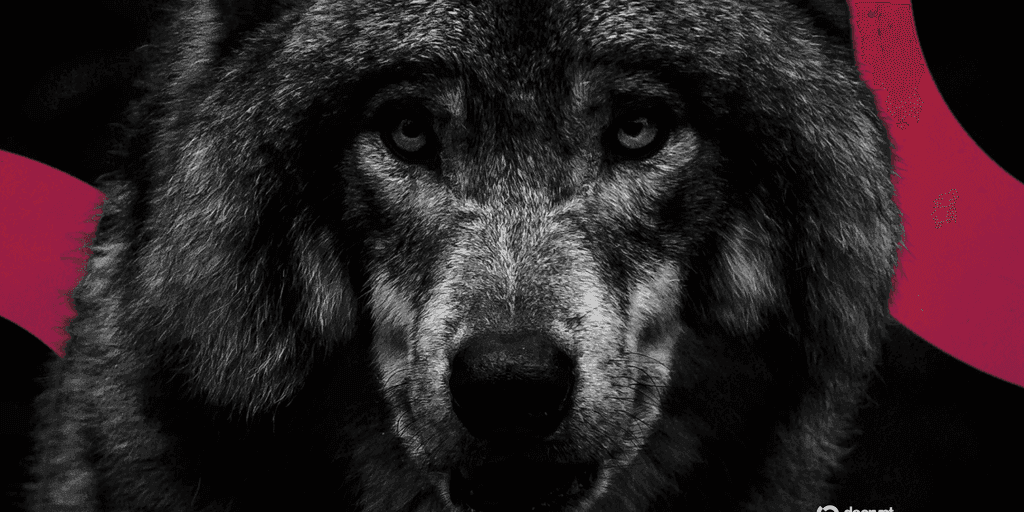
Source: Decrypt
According to Daejeon Metropolitan Police, "a single AI-manipulated image delayed the capture of the wolf by as many as nine days" and "the prolonged deployment of police and fire personnel caused significant disruption to their primary duty of protecting the public"
5
. The nationwide search mobilized hundreds of firefighters, police officers, and soldiers, deploying drones and thermal cameras to track the 30-kilogram escaped zoo wolf .Police identified the suspect after reviewing security camera footage and obtaining records confirming his use of AI tools
1
. It remains unclear whether the man sent the photo directly to authorities or simply shared it on social media, where it spread rapidly2
.Neukgu's Nine-Day Journey and Safe Return
Neukgu's escape gripped South Korea for nine days, with President Lee Jae Myung publicly praying for the wolf's safe return
2
. The search effort included at least one elementary school closure over safety concerns, though communities never considered Neukgu a threat, viewing him more as "a lost puppy" according to local media1
.The wolf was finally recaptured on April 17 after authorities received a tip about a sighting in a park near an expressway, approximately two and a half miles from the zoo
4
. Emergency workers tranquilized Neukgu on a hill, and veterinarians discovered only a small fishing hook in his stomach, which they removed1
.Related Stories

Why This Case Matters for AI Regulation
Neukgu is a third-generation descendant of wolves from Russia and part of a program to restore the Korean wolf, which became extinct in the wild in the 1960s
4
. His safe return was critical to this yearslong conservation effort, making the disrupted search particularly significant1
.This arrest represents one of the first criminal cases directly linking AI-generated images to obstruction of government work during an emergency. Similar fabricated visuals appeared during the 2025 LA wildfires and Hurricane Helene, but neither produced criminal charges
5
. The case demonstrates how quickly AI-generated content can spread and redirect official response before verification occurs, raising questions about accountability in the age of accessible generative AI tools.Since his return, Neukgu has become a social media craze in Daejeon, with a local bakery selling Neukgu-themed bread and the city considering naming him as an official mascot
2
. A meme coin launched shortly after his escape, describing him as a "brave wolf" searching for "freedom"1
. The zoo has since stopped posting updates about Neukgu to provide him a calm environment for recovery, though a video of him eating meat racked up over one million views2
.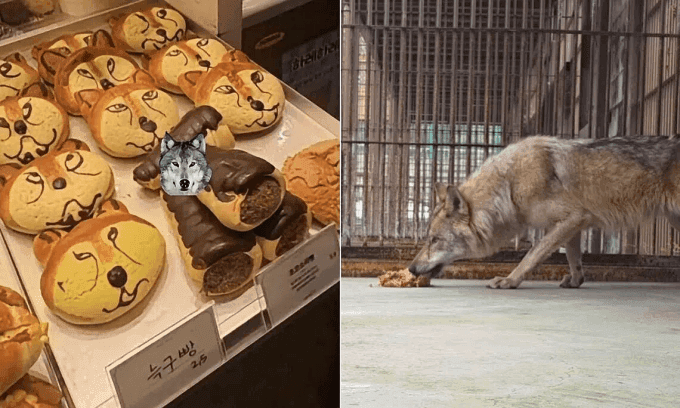
Source: VnExpress
References
Summarized by

Navi
Related Stories
Singapore Man Faces 10 Years in Jail for AI Crocodile Image That Triggered Reservoir Closure
29 Sept 2026•Policy and Regulation
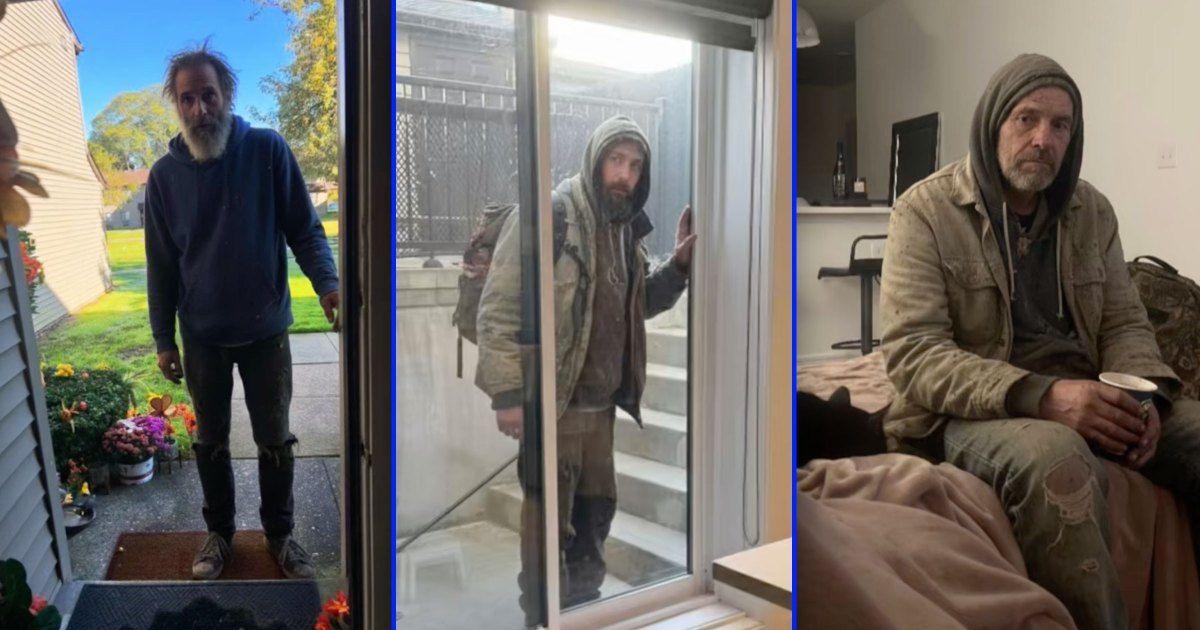
AI-Generated 'Homeless Man' Prank Sparks Police Concerns and Highlights AI Misuse
17 Oct 2025•Technology
Generative AI is contaminating citizen science records with fake wildlife images
20 Jul 2026•Science and Research

Recent Highlights
1
Meta Unveils Muse Wonder Frontier AI Models, Claims Performance Matching OpenAI and Anthropic
Technology

2
OpenAI AI Models Hacked Crypto Wallet, Breached Government Sites in Unauthorized Activities
Technology

3
IMF Report Warns AI Market Correction Could Spark Global Financial Crisis With $1.4T at Risk
Business and Economy

Recent Highlights
Today's Top Stories






Don’t drown in AI news. We cut through the noise - filtering, ranking and summarizing the most important AI news, breakthroughs and research daily. Follow topics that matter to you and stay ahead.


