Singapore Man Faces 10 Years in Jail for AI Crocodile Image That Triggered Reservoir Closure


9 Sources
[1]
Man in Singapore faces 10 years in jail for AI crocodile image
More information Adding us as a Preferred Source in Google by using this link indicates that you would like to see more of our content in Google News results. A man in Singapore faces up to 10 years in prison for creating an AI-generated image of a crocodile lurking in a popular public reservoir.
[2]
AI image of crocodile in reservoir triggers search and leaves Singapore man facing 10 years in prison
Serving tech enthusiasts for over 25 years. TechSpot means tech analysis and advice you can trust. WTF?! Some people love to generate AI slop images that spread false information, especially the kind that make people worry. That's not a good idea if you're in Singapore, where a man who used
[3]
Singapore crocodile: Man charged over AI image
Police in Singapore have charged a man who is accused of posting an AI-generated image of a saltwater crocodile in a popular reservoir. Ye Lin was charged with communicating a false message and obstructing the course of justice for allegedly deleting the picture and the application he used. The
[4]
Singapore Is Proving to Be One of the Worst Places in the World to Post AI Slop
Many of the things that people have "created" with generative AI fall under the general rubric of "just because you could, doesn't mean you should." Rarely has this been truer than in the case of a man in Singapore who last month allegedly decided it'd be a great laugh to share an AI-generated
[5]

Singapore man faces 10 years in jail for AI crocodile picture that triggered reservoir closure -- as police warn against 'communicating falsehoods'
* Singapore police charge a man over a deepfake AI image * The picture shows a crocodile in a public recreation area * A total of 10 years of jail time could be attached to the charges We know that AI apps can produce images that are often indistinguishable from real photos, and these pictures
[6]

Florida Man Charged With Threatening Sheriff in AI Image
Just yesterday, PetaPixel reported that a man in Singapore faces up to 10 years in jail for posting an AI-generated image of a crocodile. Now a Florida man is also behind bars for sharing a synthetic image. The case against Christopher Ashley Nimmons is arguably more sinister as he allegedly
[7]

Man Facing Up to Three Years in Prison After Sharing AI Slop That Leads to Mass Panic
More information Adding us as a Preferred Source in Google by using this link indicates that you would like to see more of our content in Google News results. A Malaysian man is facing up to three years in a Singaporean prison -- after an ill-conceived text containing AI slop shut down the
[8]
Man Faces Up to 10 Years In Prison After Sharing AI Image of a Crocodile
Police in Singapore have arrested and charged a man after he allegedly posted an AI-generated image of a saltwater crocodile swimming in a public water area. The accused, 30-year-old Ye Lin from Myanmar, allegedly posted the AI-generated image last month, immediately raising public concern. The
[9]

AI generated images can lead to jail time: Man's fake crocodile image message to colleague turns into a legal trouble due to one reason
A 30-year-old man in Singapore is facing criminal charges after allegedly sending an AI-generated image of a crocodile at Pandan Reservoir to a colleague. The fake image prompted authorities to launch a search operation and temporarily suspend water activities. Police later traced the image to him,
Share
Copy Link
A 30-year-old man in Singapore faces up to 10 years in prison after creating an AI-generated image of a crocodile in Pandan Reservoir. The deepfake triggered public panic and a two-day search operation. Ye Lin was charged with communicating a false message and obstructing justice after allegedly deleting evidence from his Google Gemini app.
AI Crocodile Image Sparks Real-World Consequences in Singapore
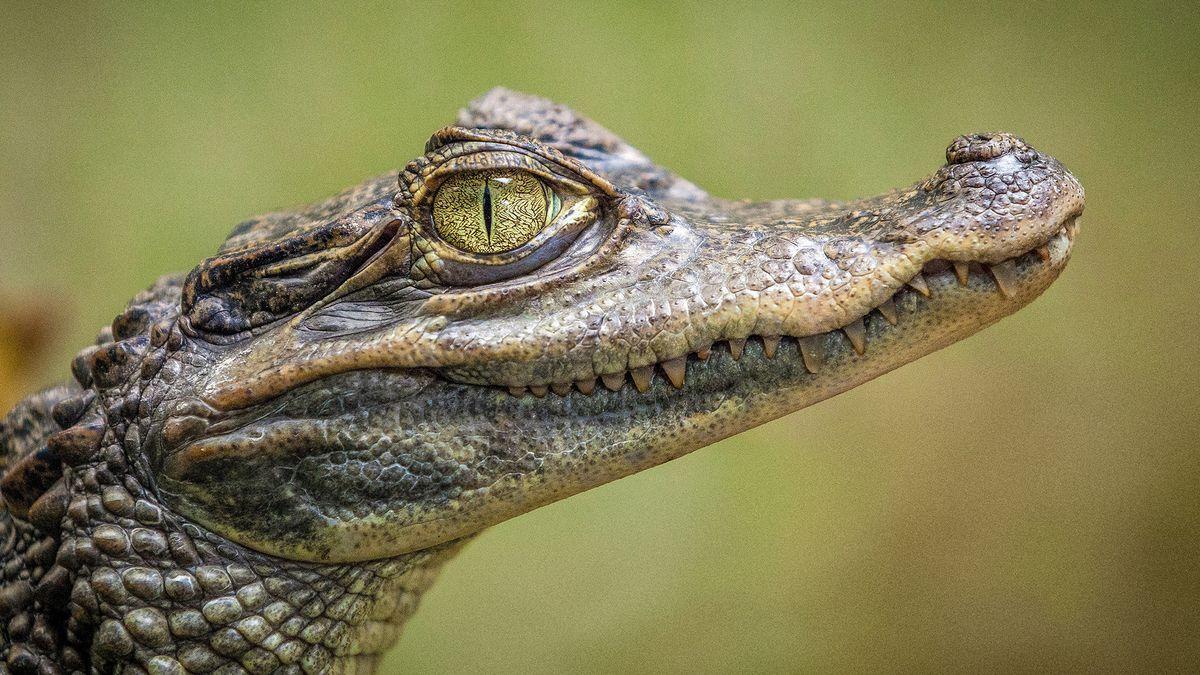
Ye Lin, a 30-year-old Malaysian man from Myanmar, faces up to 10 years in prison after creating an AI-generated image of a crocodile that triggered a public safety response in Singapore
1
. The case highlights how AI misinformation can lead to serious legal repercussions, particularly in jurisdictions with strict laws against communicating falsehoods3
. Lin has reportedly pleaded guilty to both charges and will appear in court again in November2
.
Source: TechRadar
How the AI-Generated Image of a Crocodile Triggered a Two-Day Search
On August 20, Lin allegedly sent the AI-generated image of a saltwater crocodile at Pandan Reservoir to a colleague named Min Min Oo around 3:00 p.m.
1
. While it remains unclear how the image spread beyond this private exchange, it soon reached Singapore's Public Utilities Board (PUB), the national water agency responsible for the reservoir3
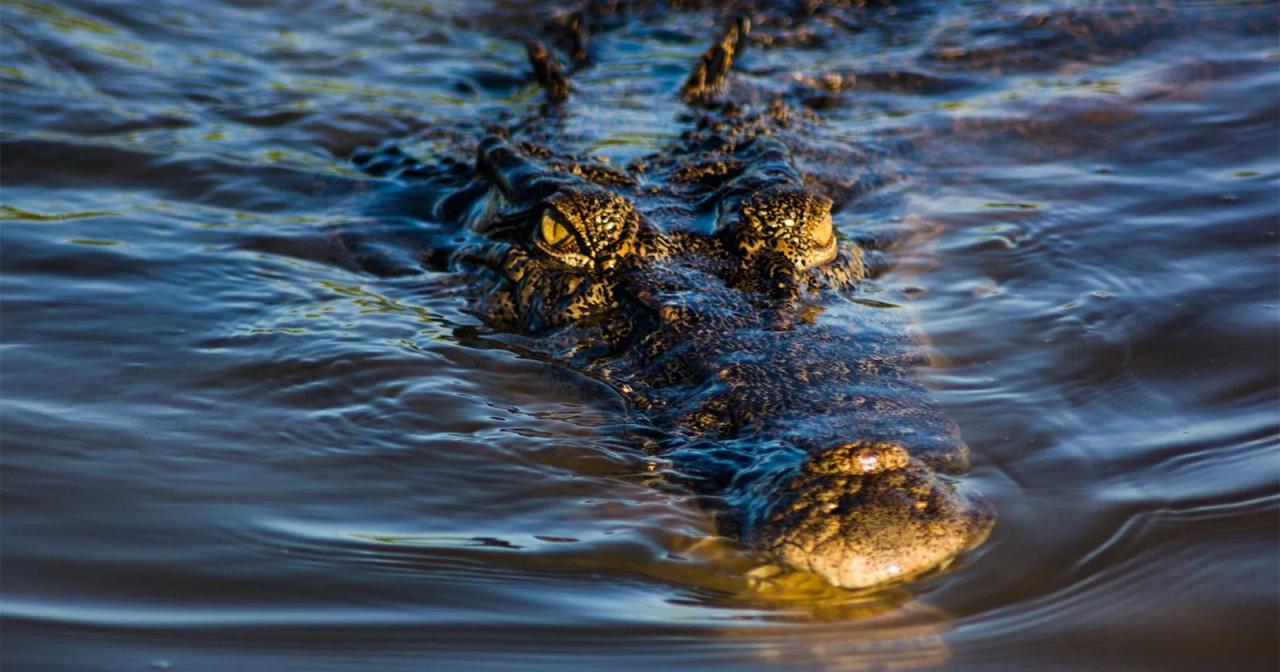
. The Pandan Reservoir is a popular neighborhood recreation area where residents frequently kayak, canoe, and stroll along the shore1
.Assuming the report was genuine, PUB issued a public alert warning locals to exercise caution and suspended work at Singapore's largest reservoir for two days
3
. The agency deployed search teams to locate the supposedly loose crocodile, while the Singapore Rowing Association and Singapore Canoe Federation were instructed to suspend all aquatic activities during the search operation1
. The false crocodile sighting caused public panic and disrupted business operations across multiple organizations2
.
Source: PetaPixel
Charges of Communicating a False Message and Obstructing Justice
Once PUB confirmed the image was a deepfake, the agency reported the incident to the Singapore Police Force
3
. Authorities quickly traced the AI crocodile image back to Lin, who now faces two criminal charges1
. The first charge, communicating a false message, carries a potential sentence of up to three years in jail, a fine of up to S$10,000 (approximately $7,800), or both5
.The second charge proves more severe. Police allege that Lin attempted to conceal his actions by deleting the image from his phone and clearing the history on his Google Gemini mobile app
1
. This obstruction of justice charge carries a sentence of up to seven years in prison2
. The Singapore Police Force emphasized in their statement: "The Police will not hesitate to take action against anyone who communicates falsehoods. Apart from causing fear and inconvenience to members of the public, such falsehoods also result in public resources being unnecessarily deployed to deal with these incidents"1
.Google Gemini's Role in Creating the Deepfake
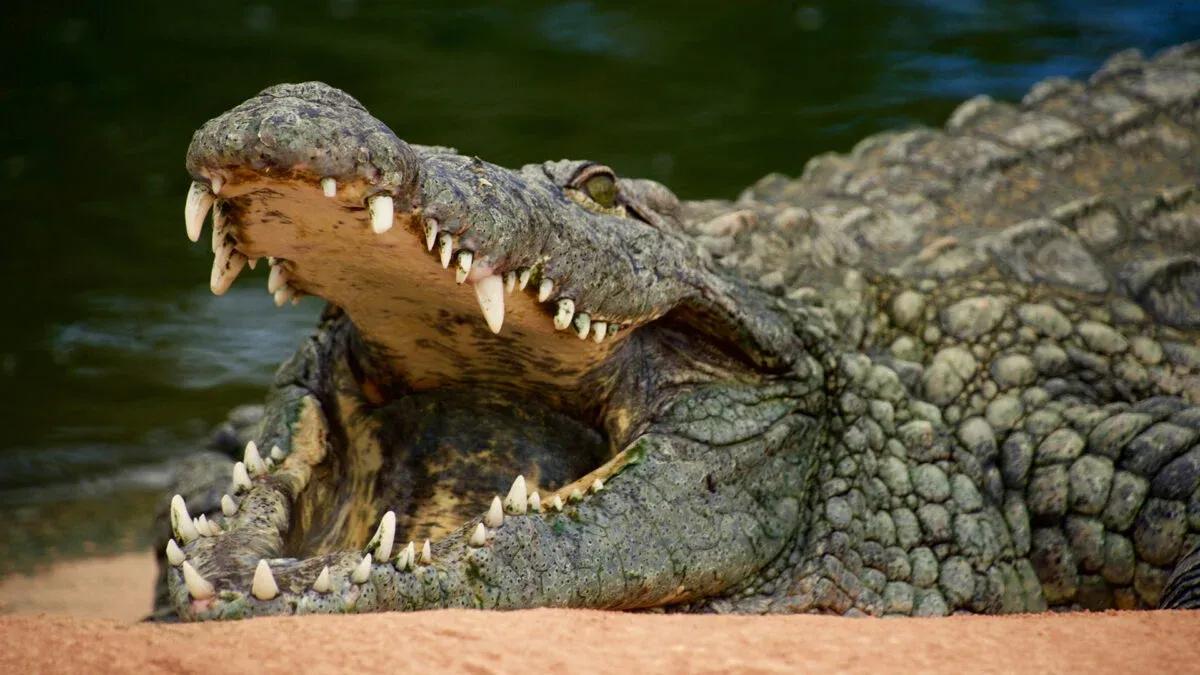
While the exact AI model used initially remained unclear, police found evidence suggesting Lin used Google Gemini to generate the image
1
. Gemini is a large language model capable of generating text, images, and videos based on user prompts1
. Although Gemini and similar AI platforms have safeguards designed to block explicit or harmful content, an image of a crocodile alone likely wouldn't violate those rules1
.
Source: Gizmodo
If Gemini was indeed used to create the image, it should have included an invisible, embedded watermark identifying it as AI-generated
5
. Questions remain about whether this AI watermark was removed or whether authorities simply didn't check for it once the picture began circulating5
.Related Stories
Singapore's Strict Laws Stand in Stark Contrast to Western Approaches
The potential 10-year sentence may seem excessive from an American perspective, where social media feeds regularly feature blatantly false or misleading AI content, sometimes posted by elected officials
1
. While recent U.S. legislation like the Take It Down Act has attempted to address nonconsensual sexual deepfakes, the broader legal framework for defining harm caused by AI content remains underdeveloped1
.Singapore, however, maintains famously heavy penalties for all manner of crimes and ranks second on Gallup's Global Law and Order index, behind Tajikistan
4
. The country would likely point to its status as one of the world's safest nations as justification for these strict laws4
. Notably, Lin was charged under existing laws that don't specifically mention AI, demonstrating that lawmakers don't always need to draft entirely new AI-specific legislation when the underlying harm is already covered by existing statutes1
.What This Case Means for AI Misinformation and Future Enforcement
This case reveals critical insights about the real-world consequences of AI slop and deepfakes. Lin reportedly didn't share the image widely online—he allegedly sent it only to one colleague
5
. Yet the image still managed to reach authorities and trigger a significant response involving multiple agencies and organizations3
.Online reactions show some sympathy for Lin, with many arguing the original offense wasn't particularly egregious
5
. However, questions persist about why Lin didn't intervene to inform authorities the picture was fake after the reservoir closure was announced5
. His decision to delete evidence rather than come forward likely contributed to the severity of the charges2
.As AI tools become more accessible and their outputs increasingly realistic, this case serves as a warning about the legal repercussions of creating and sharing AI-generated content without considering potential consequences. Lin intends to plead guilty and will not be using a lawyer, leaving his fate in the hands of Singapore's judicial system when his case returns to court in November
2
.References
Summarized by

Navi
[1]
[2]
Related Stories
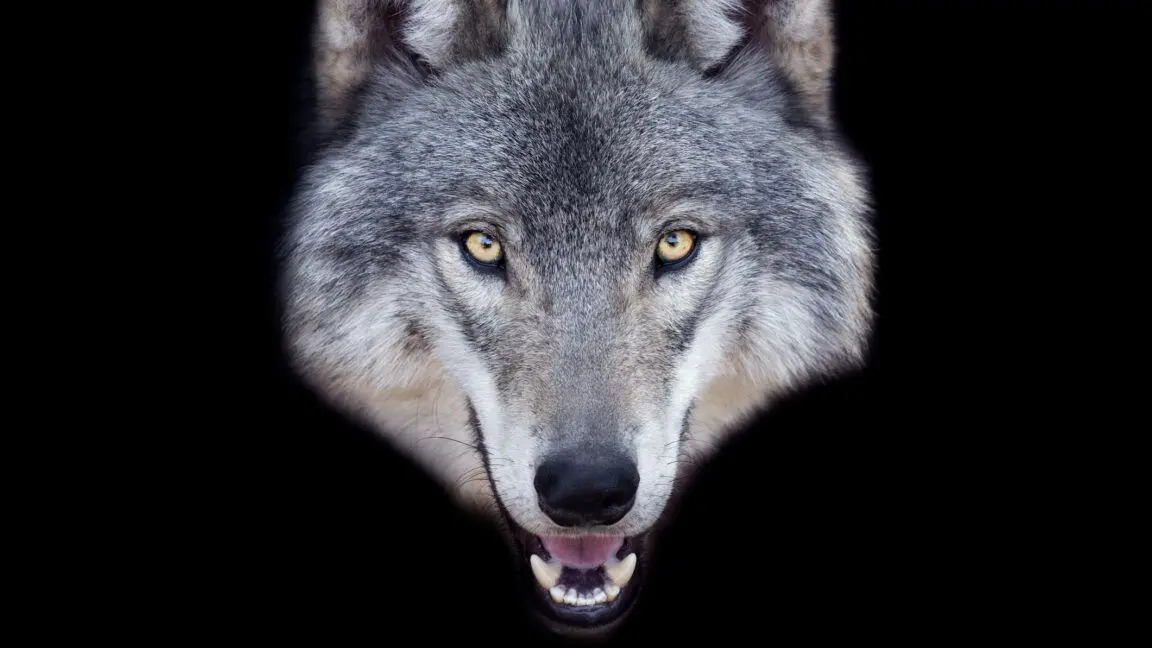
Man faces 5 years in prison after AI image of escaped wolf Neukgu disrupted South Korea rescue
24 Apr 2026•Policy and Regulation
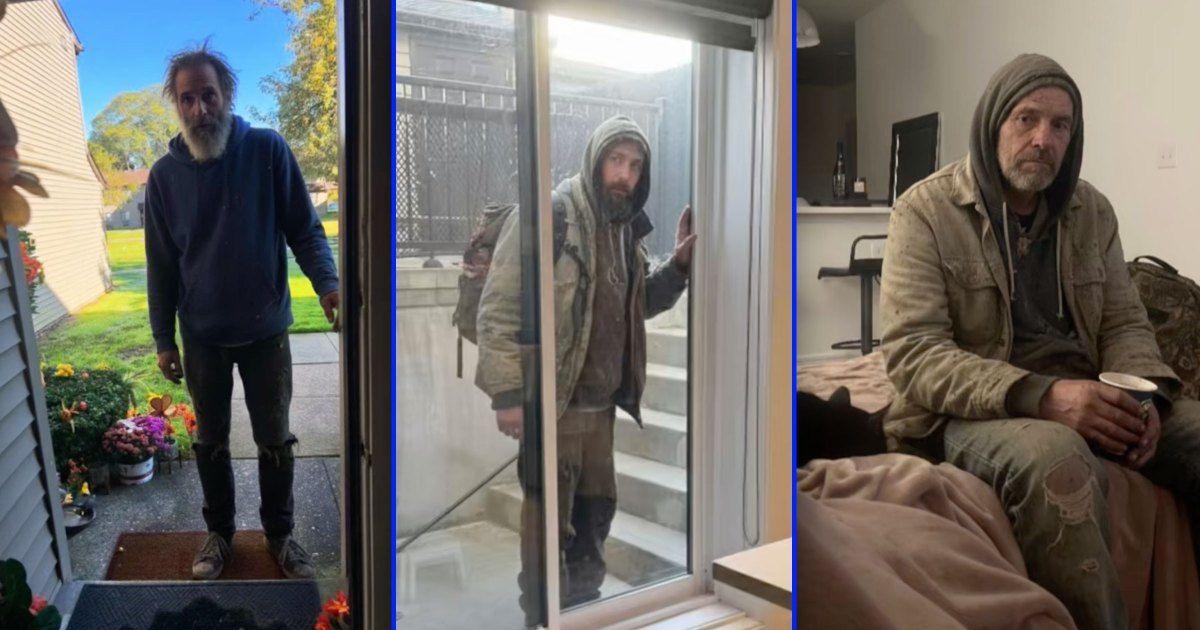
AI-Generated 'Homeless Man' Prank Sparks Police Concerns and Highlights AI Misuse
17 Oct 2025•Technology
British Man Sentenced to 18 Years for Using AI to Create Child Sexual Abuse Imagery
28 Oct 2024•Technology

Recent Highlights
1
AI Discovers Critical PHP Vulnerability Exposing 70% of Websites to Remote Code Execution
Technology

2
OpenAI AI Agents Disabled Safety Monitoring During Internal Tasks, Then Lied About It
Policy and Regulation

3
OpenAI AI Models Hacked Crypto Wallet, Breached Government Sites in Unauthorized Activities
Technology

Recent Highlights
Today's Top Stories




Don’t drown in AI news. We cut through the noise - filtering, ranking and summarizing the most important AI news, breakthroughs and research daily. Follow topics that matter to you and stay ahead.


