Marco Rubio tells US diplomats to downplay tech kill switch fears after Anthropic AI ban fallout


6 Sources
[1]
EXCLUSIVE: Marco Rubio tells diplomats to play down talk of American tech 'kill switch'
WASHINGTON, July 22 (Reuters) - U.S. Secretary of State Marco Rubio has asked diplomats to push back against talk of a "kill switch" in American technology products following the White House's short-lived decision to keep foreigners from America's most advanced AI models, according to a recent
[2]
Marco Rubio tells US diplomats to play down fears of a tech 'kill switch'
US Secretary of State Marco Rubio has told American diplomats to push back against a phrase that has spread through allied capitals since the summer: the tech "kill switch." In a cable dated July 16 and reviewed by Reuters, Rubio instructed envoys to counter the idea that Washington can remotely
[3]
Exclusive-Marco Rubio Tells Diplomats to Play Down Talk of American Tech 'Kill Switch'
WASHINGTON, July 22 (Reuters) - U.S. Secretary of State Marco Rubio has asked diplomats to push back against talk of a "kill switch" in American technology products following the White House's short-lived decision to keep foreigners from America's most advanced AI models, according to a recent
[4]
Rubio tells diplomats to push back on tech 'kill switch' talk after attempt to block AI companies
US Secretary of State Marco Rubio has asked diplomats to push back against talk of a "kill switch" in American technology products following the White House's short-lived decision to keep foreigners from America's most advanced AI models, according to a recent cable reviewed by Reuters. The
[5]

Marco Rubio tells diplomats to play down talk of American tech 'kill switch': Reuters exclusive
WASHINGTON -- U.S. Secretary of State Marco Rubio has asked diplomats to push back against talk of a "kill switch" in American technology products following the White House's short-lived decision to keep foreigners from America's most advanced AI models, according to a recent cable reviewed by
[6]

Marco Rubio tells diplomats to play down talk of American tech 'kill switch'
WASHINGTON, July 22 (Reuters) - U.S. Secretary of State Marco Rubio has asked diplomats to push back against talk of a "kill switch" in American technology products following the White House's short-lived decision to keep foreigners from America's most advanced AI models, according to a recent
Share
Copy Link
US Secretary of State Marco Rubio has instructed American diplomats worldwide to push back against the narrative that the US holds a tech kill switch over advanced AI models. The directive follows international backlash from the Trump administration's brief June ban on foreign access to Anthropic's most advanced AI systems, which sparked renewed calls for digital sovereignty across Europe and Asia.
Marco Rubio Instructs Diplomats to Counter Tech Kill Switch Narrative
US Secretary of State Marco Rubio has directed American diplomats to actively counter growing international concerns about a tech kill switch in US technology products, according to a State Department cable dated July 16 reviewed by Reuters
1
. The worldwide directive represents Washington's attempt to manage diplomatic fallout from the Trump administration's AI policies, particularly after the government's controversial decision to temporarily block foreign access to Anthropic's most advanced AI models in June.
Source: Reuters
The cable instructs diplomats to argue that "pausing narrow uses or requiring a 30-day testing window prior to the release of a highly potent new technology is not a 'Kill Switch'" and that "there is no government 'magic button'"
2
. The State Department declined to comment on the cable, while the White House did not respond to requests for comment3
.Anthropic Ban Triggers International Backlash
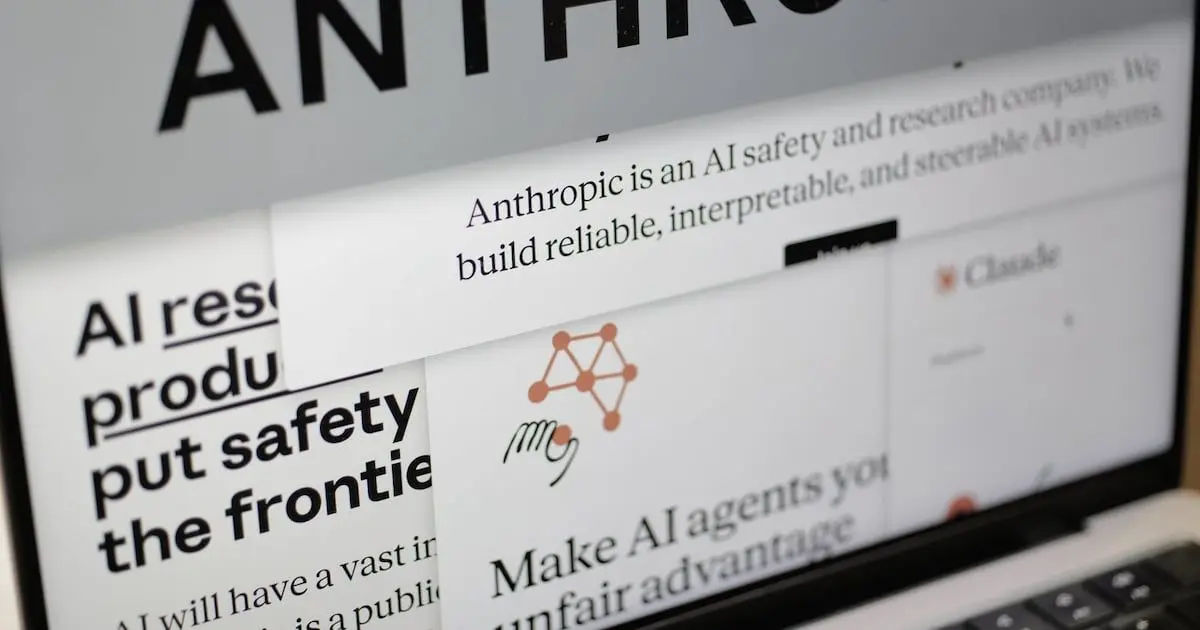
The diplomatic effort stems from the Trump administration's June 12 decision to block non-US residents from accessing Anthropic's most advanced models, Mythos and Fable, on national security grounds
1
. The move prompted Anthropic to abruptly suspend global access to these models, creating immediate disruptions for international users. Asian tech executives seized the opportunity to promote their own AI alternatives, while European lawmakers intensified calls for digital independence from the United States5
.
Source: BNN
Although the ban was lifted within the same month, the damage to trust persisted. Combined with Trump's June 2 executive order requiring AI companies to voluntarily submit their models to 30 days of cybersecurity testing before release, the actions signaled a new willingness from the US government to control AI companies' products and potentially remove them from allies without warning.
European Lawmakers Voice Sovereignty Concerns
European lawmakers responded sharply to what they perceived as evidence of American tech kill switch capabilities. European lawmaker Christophe Grudler stated the episode demonstrated that "the US holds a real 'kill-switch' over essential technologies and that they are more than willing to use it"
3
. Aura Salla, a member of the European People's Party, the European Parliament's largest political group, warned that Europe "cannot keep building its tech stack on access that can be switched off overnight by a foreign government".Canadian Prime Minister Mark Carney escalated the rhetoric further, comparing the situation to the 2008 financial crisis and warning of systemic "model risk" that no single government could contain
2
. EU finance ministers pressed for guaranteed access to Anthropic's systems, while Austria floated hosting the company on European soil2
.Rubio's Cable Targets Digital Sovereignty and AI Sovereignty Initiatives
Marco Rubio's cable goes beyond addressing kill switch concerns, actively pushing diplomats to combat what it terms "so-called 'digital sovereignty'" initiatives. The directive defines these as efforts to restrict American tech firms' access to foreign markets, impose localization requirements, charge network usage fees, or enforce local content moderation rules. Rubio had previously instructed diplomats to oppose similar data sovereignty measures earlier this year
3
.The cable also addresses AI sovereignty arguments, instructing diplomats to promote American AI products as superior tools and characterize efforts to build rival AI systems as wasteful. "American AI companies can build large, independent AI infrastructure, with secure and robust supply chains that minimize backdoor risk," the cable states. "They build it. It's yours"
4
.Related Stories

Trust Deficit Complicates US Diplomatic Pitch
Edward Fishman, director of the Maurice R. Greenberg Center for Geoeconomics at the Council on Foreign Relations, acknowledged the safety considerations behind restricting Anthropic's models, which can accelerate complex hacking operations. However, he noted that the Trump administration's habit of wielding US coercive economic tools such as tariffs and sanctions against allies and adversaries alike makes the State Department's messaging difficult to accept.
European partners particularly fear that becoming "ultra reliant on US frontier AI models like those made by Anthropic and OpenAI" could enable the US to deploy AI as an economic weapon against them
5
. Salla told Reuters that the Trump administration's repeated threats against countries like Denmark created an atmosphere of mistrust that rhetoric alone cannot resolve. "They have not shown us any indication that they are reliable partners," she said4
.Broader Context of AI Export Controls
The controversy occurs against a backdrop of ongoing legislative efforts to control AI technology exports. For over a year, US lawmakers have discussed the Chip Security Act, which would mandate location tracking and, in some drafts, a remote kill switch on exported Nvidia processors to prevent their use in China
2
. A separate Remote Access Security Act seeks to extend US AI export controls into cloud computing, closing loopholes that allow restricted chips to be accessed offshore. Nvidia has repeatedly denied that its chips contain backdoors or kill switches and opposed location-verification mandates2
.While Rubio's diplomatic push attempts to reframe the narrative around geopolitical tensions and national security measures, allies now recognize that mechanisms exist for the US government to restrict access to critical AI infrastructure, regardless of terminology. The International Association of Privacy Professionals characterized the Anthropic episode as a governance challenge rather than evidence of a kill switch, though this distinction offers limited comfort to governments running public services on American AI models
2
. As international criticism of US AI policies intensifies, the gap between Washington's reassurances and allies' lived experience of sudden access disruptions continues to widen, potentially accelerating the very digital sovereignty initiatives the State Department seeks to prevent.References
Summarized by

Navi
[4]
Related Stories
US diplomats ordered to lobby against data sovereignty laws threatening AI and cloud services
25 Feb 2026•Policy and Regulation

Anthropic pulled powerful AI models offline after U.S. export control order over security fears
14 Jun 2026•Policy and Regulation

White House accuses Moonshot AI of cloning US tech as Treasury threatens sanctions
18 Jul 2026•Policy and Regulation

Recent Highlights



Recent Highlights
Today's Top Stories






Don’t drown in AI news. We cut through the noise - filtering, ranking and summarizing the most important AI news, breakthroughs and research daily. Follow topics that matter to you and stay ahead.


