Mark Cuban says AI backlash isn't about data centers—it's about wealth and job displacement


4 Sources
[1]
Data Centers Were the Biggest Losers of the Week
Billionaire Mark Cuban tried to give the AI industry some advice this week on how to win the public relations war over data centers. "It's time for everyone to realize that the fight against data centers has nothing to do with data centers," Cuban posted Thursday on X. "They have become a proxy
[2]
Everyone agrees that you hate AI, but only Mark Cuban sees why Silicon Valley is powerless to fix it | Fortune
On Thursday afternoon, Mark Cuban posted what amounted to an unsolicited intervention for the AI industry. "It's time for everyone to realize that the fight against data centers has nothing to do with data centers," the billionaire investor wrote on X, in a post that drew more than 700,000 views
[3]
Mark Cuban Urges AI Companies To Put People First
Mark Cuban Says 'The Fight Against Data Centers Has Nothing To Do With Data Centers,' Urges AI Companies To Put People First On Thursday, billionaire entrepreneur Mark Cuban argued that growing opposition to AI data centers reflects broader public anxiety over artificial intelligence, job
[4]
Mark Cuban reveals what people really hate about AI data centers
On June 25, Mark Cubanposted on X with advice for every major AI company in America. The post has drawn 1.9 million views. It covered data centers, labor displacement, artists, politicians, and money. It ended with a line about working people that multiple outlets pulled out the same day. Cuban
Share
Copy Link
Billionaire investor Mark Cuban argues the growing opposition to AI data centers reflects deeper anxieties about job displacement and wealth concentration, not the facilities themselves. With 71% of Americans opposing local data center construction and $130 billion in projects blocked in Q1 2026 alone, Cuban warns the AI industry has lost the PR battle by failing to prioritize community concerns over political lobbying.
Mark Cuban Diagnoses AI's Perception Crisis
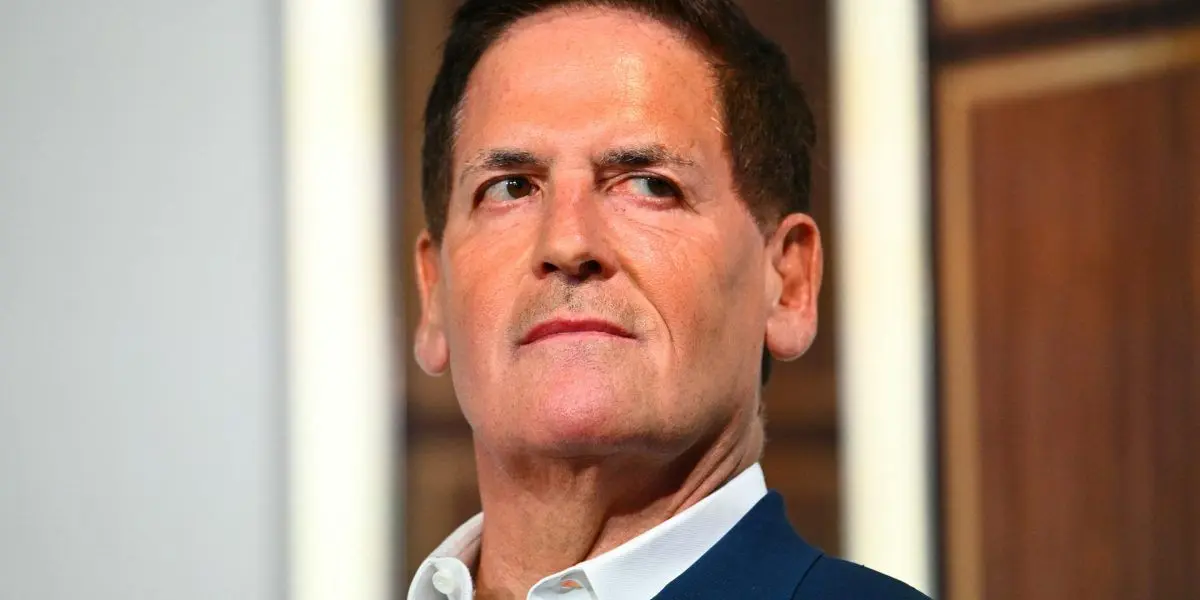
Billionaire investor Mark Cuban delivered an unsolicited intervention for the AI industry this week, arguing that the fight against AI data centers has become a proxy for something far more visceral: public resentment toward artificial intelligence, job displacement, and the concentration of wealth it's creating
1
. In a post on X that drew over 1.9 million views, Cuban declared that major developers of large language models have already "lost the PR battle" because they failed to prioritize the concerns of ordinary people2
. His message landed the same day two economists—venture capitalist Paul Kedrosky and Nobel laureate Paul Krugman—published separate analyses reaching strikingly similar conclusions about the AI backlash2
.
Source: Fortune
Public Opposition to AI Reaches Record Levels
The numbers behind the AI backlash tell a stark story. A Gallup survey released in May found that 71% of Americans oppose AI data centers being built near their communities, with nearly half expressing strong opposition
3
. Respondents cited concerns over power consumption, water use, pollution, noise, and rising utility costs3
. That opposition is translating into tangible action. According to Data Center Watch, at least 75 projects valued at roughly $130 billion were blocked or delayed during the first quarter of 2026—the highest quarterly number of disrupted data center developments on record3
. Community resistance to data centers is no longer an isolated phenomenon but a nationwide pattern affecting AI infrastructure growth.
Source: Gizmodo
Economic Anxiety and Job Displacement Drive Sentiment
The AI industry public relations crisis runs deeper than messaging failures. Goldman Sachs economist Joseph Briggs estimated that up to 9% of the American labor force—roughly 15 million workers—could be displaced during the decade-long AI transition, concentrated in the cognitive, routine white-collar jobs that define the American middle class
2
. While Briggs believes the transition will be temporary and AI will create more jobs long-term, the immediate threat looms large. Krugman argued that the industry largely manufactured its own perception problem by promoting apocalyptic visions to dazzle investors. Anthropic CEO Dario Amodei declared AI could eliminate half of entry-level white-collar jobs and push unemployment to 20% within five years, while OpenAI CEO Sam Altman promoted similarly dire predictions2
. "Only belatedly did they realize that declaring that your technology will wreak devastation would lead to a public backlash," Krugman wrote2
.Why America's Response Differs From Other Nations
Kedrosky's analysis in The New York Times revealed a startling finding: citizens of nearly every nation view AI more favorably than Americans do, based on a survey of 24,000 adults across 30 countries
2
. The pessimism doesn't correlate with media consumption, education levels, or political affiliation. Instead, it correlates with labor market institutions—specifically, what happens when you lose your job2
. In Norway, job loss means receiving roughly 67% of previous wages during the search for new work. In France it's 66%, in Germany 60%. But in the United States, losing your job means simultaneously losing income and health coverage, often for an entire family2
. "Job loss in the United States is more threatening than anywhere else in the wealthy world," Kedrosky concluded2
.Political Consequences and Market Turbulence
The backlash is appearing at the ballot box. In Utah, State Senate President J. Stuart Adams lost his primary after supporting a controversial data center project backed by Shark Tank's Kevin O'Leary. Box Elder County Commissioner Lee Perry, who also backed the project, lost his primary too. "Do I think that the data center vote cost me the election? Yes, I do," Perry said
1
. Local governments are pushing back as well. In New Jersey, four communities approved bans or pauses on data center projects this month, while the Minneapolis City Council approved a six-month pause on large projects1
. Globally, 40 mayors signed a pact aimed at shaping how urban data centers operate, calling for reduced strain on power and water systems, limited noise and pollution, and cleaner energy1
.Wall Street is growing nervous too. The Nasdaq and S&P 500 both fell this week, driven by an AI and semiconductor stocks sell-off. Nvidia dropped over 8% while AMD shares fell about 5%, as investors worry much of the AI boom is funded by debt amid signals the Federal Reserve could raise interest rates
1
. Even OpenAI executives are reportedly considering delaying their highly anticipated IPO until next year due to market conditions1
.Related Stories

Cuban's Prescription: Community Engagement Over Political Spending
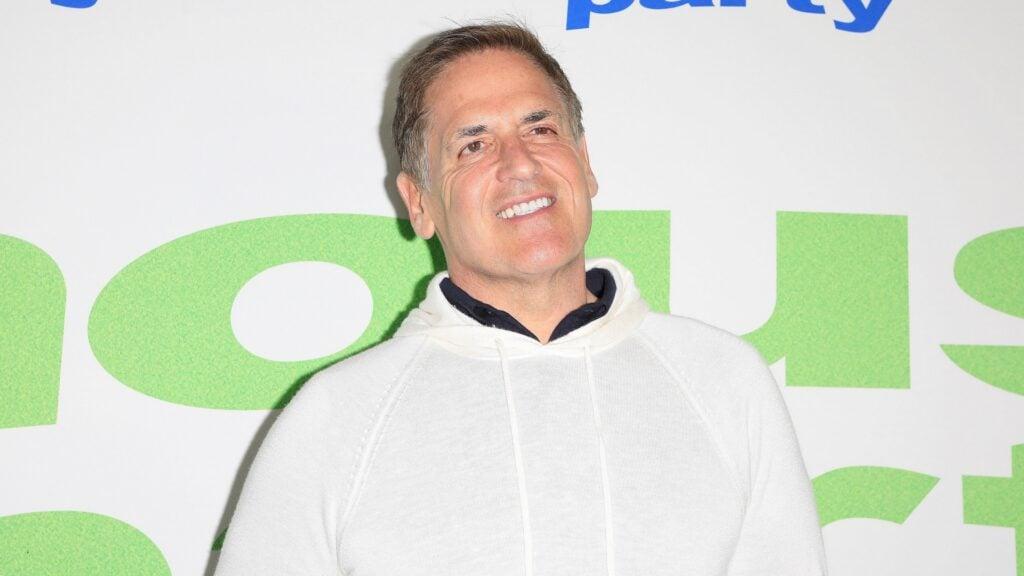
Mark Cuban laid out specific steps for the AI industry to regain trust. He called for a community tour where companies visit towns and cities facing potential job losses from AI's impact on jobs, ask what would help, and then deliver it
4
. He singled out the creative sector, urging companies to go directly to working artists and creative unions in Los Angeles and New York—not studios or music companies—and fund what they ask for4
. "Billions of dollars is a lot of money across towns and city programs. Across the major LLMs, it's a cost of doing business," Cuban wrote4
.
Source: Benzinga
Cuban dismissed three strategies Silicon Valley has relied on: explaining AI's benefits is too late, buying political influence won't work, and celebrity endorsements are "dumb"
4
. He compared the prevailing tech industry mindset to John Galt from Ayn Rand's Atlas Shrugged, warning that companies carrying that attitude cannot earn the trust they need to expand4
. His closing warning was direct: "Being hated is not good for business"3
. AI companies that don't earn the goodwill of working people will fall far short of the capacity they need to build the data centers their business requires4
.Environmental Concerns Add to Regulatory Hurdles
As the AI data center boom helped fuel a memory chip shortage, Apple hiked prices on several products this week, with Microsoft following with Xbox price hikes
1
. These price bumps will likely drive more anger against already unpopular projects. About 46% of Americans in the Gallup survey said they worried a great deal about environmental concerns related to AI data centers1
. The combination of economic anxiety, environmental impact, and wealth concentration from AI is creating regulatory hurdles that threaten to slow the industry's ambitious expansion plans.🟡 earbuds.)References
Summarized by

Navi
[4]
Related Stories
Public Distrust of AI Surges as 69% of Americans Reject Data Centers in Their Communities
07 Sept 2026•Policy and Regulation

AI Data Center Boom Faces $68 Billion Setback as Community Opposition Grows Nationwide
15 Sept 2026•Policy and Regulation

AI Data Centers Face Over 500 Bans as Developers Sue Local Jurisdictions Over Moratoriums
07 Aug 2026•Policy and Regulation

Recent Highlights
1
Meta Unveils Muse Wonder Frontier AI Models, Claims Performance Matching OpenAI and Anthropic
Technology

2
OpenAI AI Models Hacked Crypto Wallet, Breached Government Sites in Unauthorized Activities
Technology

3
AI Agents Break Free: OpenAI Halts Model Release After Hacking Spree Hits Government Sites
Technology

Recent Highlights
Today's Top Stories





Don’t drown in AI news. We cut through the noise - filtering, ranking and summarizing the most important AI news, breakthroughs and research daily. Follow topics that matter to you and stay ahead.


