CMOs Navigate AI Anxiety as Marketing Budgets Flatten and Roles Expand at Cannes Lions


4 Sources
[1]
How marketers are balancing broader remits and tighter budgets | Fortune
A recurring theme on and off stage at Cannes Lions International Festival of Creativity this year was just how drastically the marketing job has changed. It's no longer all about making great ads. Today's marketing leaders are expected to understand AI, build communities, and shape organizational
[2]
McKinsey's Kelsey Robinson on the current marketing AI paradox
At Cannes Lions, management consultant Kelsey Robinson breaks down McKinsey's new research showing a paradox in AI adoption: marketers are widely using AI and excited by it, but many also fear its impact on their roles. At Cannes Lions, where the global marketing industry gathers each year to
[3]
As AI re-writes the rule books, legacy brands need to re-think marketing - time to be a pain in the proverbial, suggests Kraft Heinz's CMO
As AI makes its way into the enterprise mainstream, how do so-called legacy brands come to terms with the future direction that this implies? Can they keep up-to-date or will many of them give way to a new generation of replacements? Todd Kaplan is CMO of Kraft Heinz North America. He's inevitably
[4]
Cannes Lions - three major brands testify to the real impact of AI on the Marketing model
A simple stroll along the seafront at Cannes Lions this week would be enough, from the adverts and the branded hospitality 'beaches' alone, to convince you that the headline topic at the annual jamboree this year is AI. But how much is the hype cycle actually impacting on the Marketing
Share
Copy Link
At Cannes Lions 2026, marketing leaders revealed a stark paradox: 88% use AI regularly, yet fewer than 10% capture meaningful value from it. Meanwhile, CMO representation in Fortune 500 companies dropped to 49%, and 80% of marketing chiefs express anxiety about job security as AI reshapes the industry.
AI in Marketing Creates Widespread Anxiety Despite High Adoption
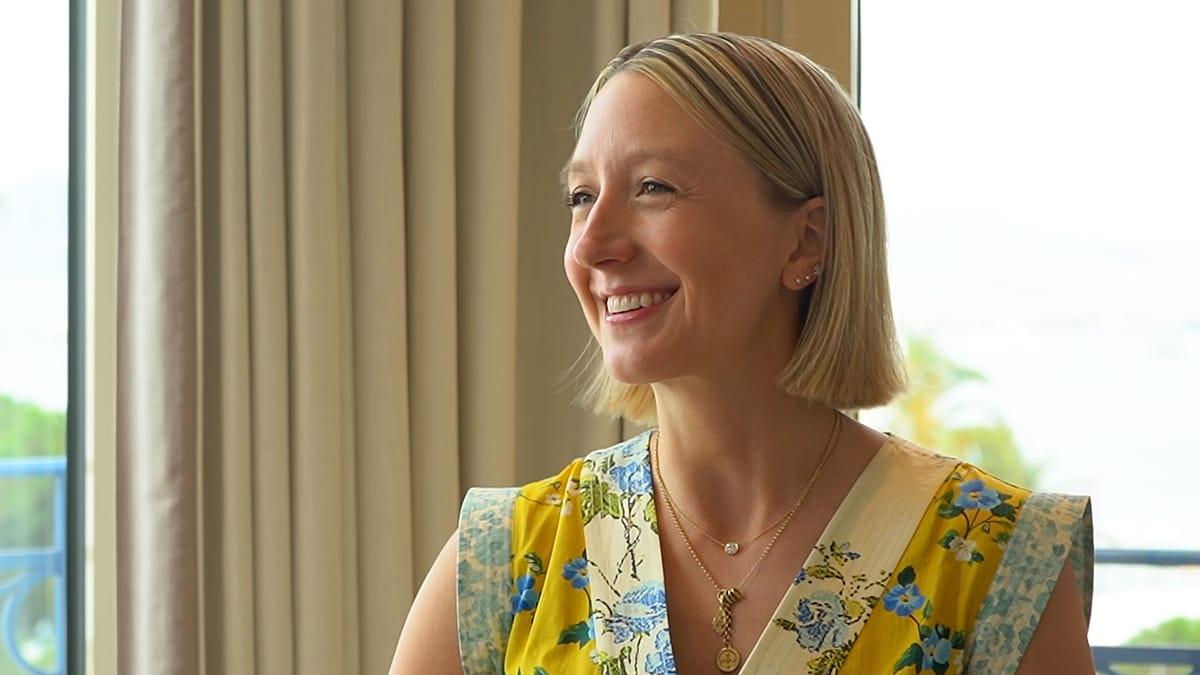
A paradox emerged at Cannes Lions International Festival of Creativity this year: while 88% of companies have embraced AI in marketing, fewer than 10% report capturing real business value from these investments . McKinsey Senior Partner Kelsey Robinson, presenting research conducted with Kellogg and Google surveying over 1,000 marketers globally, identified a troubling disconnect between AI adoption in marketing and actual impact .
Source: Euronews
The anxiety cuts across all levels. While 86% of marketing professionals express excitement about AI's potential, 57% simultaneously report significant anxiety about what it means for their careers
2
. Among CMO ranks, the numbers are even more striking: 96% show enthusiasm, yet 71% carry anxiety, and a remarkable 80% worry explicitly about their job security2
. Robinson noted surprise at how widespread this fear proved across different marketing roles, from copywriters to creative strategists, with little variation in anxiety levels.Marketers Balancing Broader Remits Against Shrinking C-Suite Representation
The marketing job has transformed dramatically, yet recognition hasn't kept pace. Marketing leaders now manage responsibilities spanning AI implementation, community building, and organizational culture shaping—far beyond traditional advertising
1
. However, businesses allocated just 7.7% of company revenue to marketing in 2025, flat from 2024 and down from 9.5% in 2022, according to Gartner's 2025 Global CMO Spend Survey1
.
Source: Fortune
CMO representation in Fortune 500 companies declined to 49% in 2025 from 55% a year earlier, Forrester research shows
1
. Spencer Stuart found that a third of Fortune 500 marketing leaders lack "chief" in their titles, 16% carry dual-function titles like chief marketing and communications officer, and 11% have no marketing reference at all1
. UPS consolidated sales, marketing, and communications under a single chief commercial and strategy officer, while Reckitt merged marketing and commercial strategy, pushing brand-building power to regional teams1
.Financial Accountability Reshapes Marketing Leadership Requirements
Tim Ellis, executive vice president and CMO at the National Football League, insists marketing chiefs need distinct voices in the C-suite: "CMOs need to be at the table, listening and contributing to every decision the business makes. We have to be experts in business. That requires completely new ways of thinking"
1
. According to 46% of marketing and finance decision-makers surveyed by Fortune and Morning Consult, profitability and revenue growth represent the most effective way to communicate marketing's value internally1
.Mélanie Brinbaum, Nestlé's European head of marketing and consumer communications, observed: "The traditional CMO was a steward of creativity and communications, occasionally fluent in data, and perpetually at war with the CFO over budget. Today, the ones who can speak finance, supply chain and risk fluently are the ones who can prove where growth and value actually come from"
1
. Lynsey Woods, senior global brand director at Carlsberg, added that daily conversations with finance, data, and tech teams have become essential as businesses reorganize around new technology and data-driven decision-making1
.Related Stories

AI's Impact on Creative Roles Sparks Debate on Human Creativity
The impact of AI on marketing creative functions generates particular concern. A third of marketers expect AI to replace some creative functions, while 19% believe it could significantly reduce the need for human creativity altogether, the Fortune and Morning Consult survey found
1
. Yet industry leaders push back against purely efficiency-focused narratives.Robinson's key advice to CMOs centers on reframing AI beyond cost-cutting: "Leading companies realise they can't just focus the narrative on an AI transformation that leads to cost cutting. You have to have a growth aspiration"
2
. She points to personalization as an area where AI-driven marketing should unlock revenue uplift, not just savings2
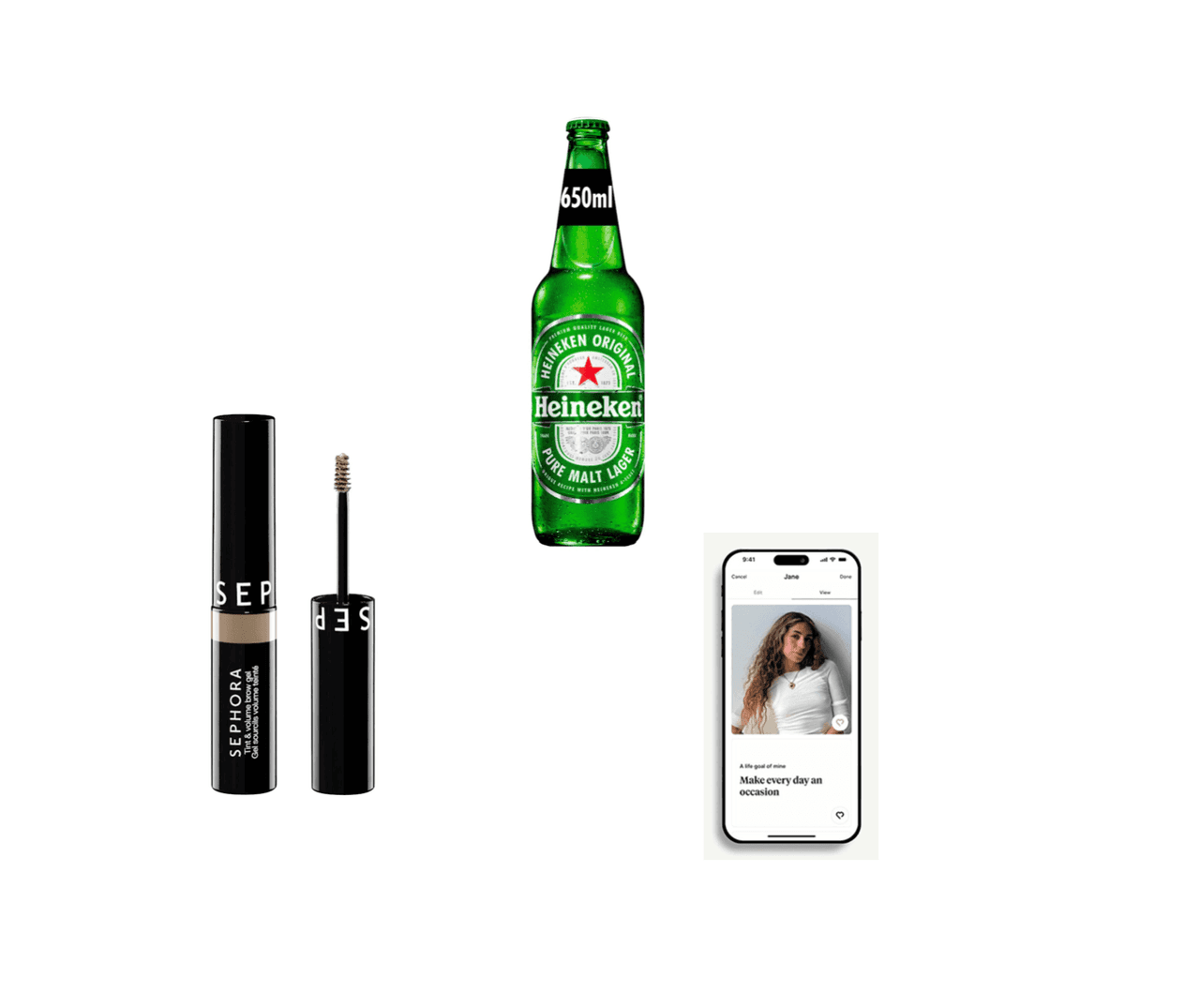
.Tamika Young, Chief Marketing & Communications Officer at Hinge, argues firmly: "AI cannot automate creativity or human storytelling. We do think about AI in terms of how we can create efficiencies in our work, but not to replace human creativity"
4
. Zena Arnold, CMO at Sephora US, shared an anecdote about food cart vendors using ChatGPT to create signage, noting that while AI tools proliferate, success still depends on finding authentic consumer insights and human connections4
.Legacy Brands Adapt Through Brand Building and Organizational Culture
Todd Kaplan, CMO of Kraft Heinz North America, defends the strength of legacy brands in the AI era. Managing 70 brands across 50 categories, many over 150 years old, Kaplan emphasizes that legacy brands have "created a legacy"—they're well-established and need feeding, not replacement
3
. He describes brand building as "pointillism," where every consumer interaction adds a dot forming brand perception over time3
.
Source: diginomica
Kaplan advocates for "collaborativity" at Kraft Heinz, bringing agencies, cross-functional partners, and legal teams together early in creative development
3
. Marcela Melero, chief growth officer for Dove in North America, warns against losing creative edge to internal corporate pressures, recommending CMOs find C-suite allies before presenting risky creative ideas1
.Marta García Alonso, VP Marketing at Heineken Mexico, sees AI's greatest potential at the beginning of the thinking process: "I find amazing the level of how you can elevate your work by really finding insights. We, our human brains, would never be able to input so much data"
4
. The role of AI in marketing models appears focused on enhancing consumer insights and audience understanding rather than replacing strategic thinking. As organizations navigate this transition, the challenge remains moving from AI anxiety to genuine competitive advantage while preserving the human elements that drive authentic brand connections.References
Summarized by

Navi
Related Stories
AI in Marketing: Balancing Automation and Human Creativity
19 Sept 2025•Technology

Adobe achieves 200% brand visibility boost as AI marketing reshapes product discovery
14 Jul 2026•Business and Economy

AI Adoption Stumbles: Why 88% Use AI But Only 7% Scale It Successfully
03 Oct 2026•Business and Economy

Recent Highlights



Recent Highlights
Today's Top Stories



Don’t drown in AI news. We cut through the noise - filtering, ranking and summarizing the most important AI news, breakthroughs and research daily. Follow topics that matter to you and stay ahead.


