Master Chief Actor Steve Downes Draws the Line on AI Voice Cloning: 'I Don't Like It'


3 Sources
[1]
'Halo' Actor Steve Downes Doesn't Want You to AI Clone HIs Voice
Steve Downes, the longtime voice actor of Halo protagonist Master Chief, has called on fans not to use generative AI to replicate his voice. In a YouTube AMA, Downes admitted that he's seen videos online where his voice has been recreated using the controversial technology. While he generally
[2]
Halo Master Chief actor tells AI to keep its filthy paws off of his voice: "That's where we cross a line"
Steve Downes, the iconic voice behind Master Chief from the Halo franchise, has joined the chorus of high-profile voice actors speaking out against the use of AI in voice performances. However, his concern is very specifically related to the alarming prospect of developers using real voice
[3]
'I Don't Like It. I Would Prefer That It Not Be Done' -- Master Chief Actor Steve Downes Says Deceptive AI Reproductions of His Voice 'Cross a Line'
Steve Downes, the actor behind Master chief's iconic voice, has said deceptive AI reproductions of his voice "cross a line that gets into an area I am uncomfortable with" -- and he wants it to stop. Speaking in an AMA on his YouTube channel, Downes acknowledged the inevitability of AI, and even
Share
Copy Link
Steve Downes, the iconic voice behind Halo's Master Chief, has publicly condemned the use of AI voice cloning technology to replicate his performance. In a YouTube AMA, Downes said deceptive AI reproductions cross a line into uncomfortable territory, joining a growing chorus of voice actors raising ethical concerns about generative AI in the entertainment industry.
Master Chief Actor Speaks Out Against AI Voice Cloning
Steve Downes, the longtime voice behind Halo protagonist Master Chief, has joined the growing movement of voice actors opposing unauthorized AI reproductions of their performances. During a YouTube AMA, Downes made his position clear: "I'm not a proponent. I don't like it, and I would prefer that it not be done."
1
The Master Chief actor acknowledged he's encountered videos online where his voice has been recreated using generative AI, a technology that has rapidly proliferated across the entertainment industry.
Source: IGN
While Downes struck a measured tone, recognizing that AI has "many, many positive effects on not only showbusiness but humanity in general," he emphasized the technology's darker potential. The actor specifically warned that AI voice cloning could "deprive an actor of his work," highlighting economic concerns that extend beyond simple intellectual property violations.
3
Deceptive AI Reproductions Cross Ethical Boundaries
Downes drew a clear distinction between fan-made projects created "from the heart" and deceptive AI reproductions that mislead audiences. "When you get to the AI part and deceiving somebody into thinking, in my case, that these are lines that I actually spoke when they're not, that's when we cross a line that gets into an area that I am uncomfortable with," he explained.
3
This lack of consent and transparency represents a fundamental ethical concern for performers whose digital likeness can be replicated without authorization.The timing of Downes's statement carries particular significance given Microsoft's aggressive integration of AI in game development. Halo is owned by Xbox, whose parent company Microsoft has partnered with generative AI companies to create tools for various facets of game production.
1
Questions have swirled around whether the upcoming Halo: Campaign Evolved was made with generative AI, though Halo Studios has described it merely as "a tool in a toolbox" rather than a requirement.1
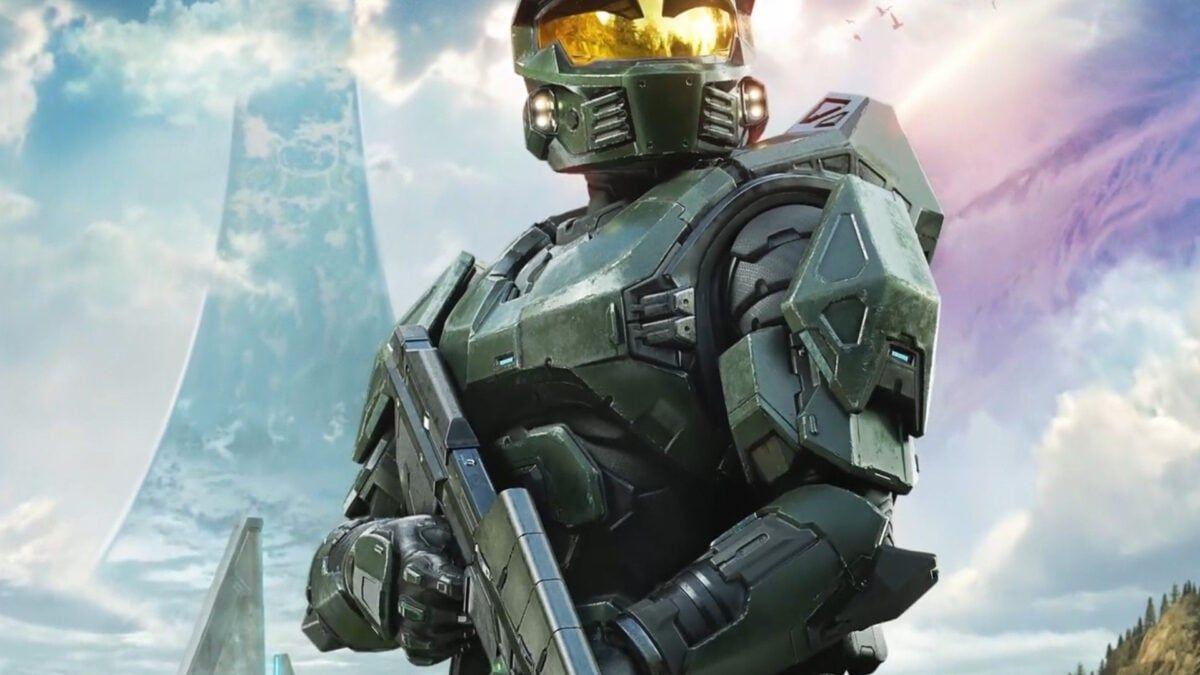
Source: Gizmodo
Voice Actors Unite Against AI in Game Development
Downes is far from alone in raising ethical concerns of AI within the gaming industry. Ashly Burch, who voices Aloy in the Horizon games, expressed worry about game performances after a leaked Sony test demo featured a bot with Aloy's voice created using generative AI.
1
Though Sony claimed the bot was purely demonstrative and wasn't made using Burch's voice data, the incident highlighted how AI threatens performers at all career levels.Paul Eiding, the voice behind Colonel Campbell in Metal Gear Solid, has similarly condemned unauthorized use of voice cloning technology.
3
The issue extends beyond gaming into broader entertainment, with deepfakes affecting major celebrities. Keanu Reeves reportedly pays a company thousands of dollars monthly to remove AI-generated imitations from platforms like TikTok and Meta.3
Tom Hanks warned fans about an AI version of his likeness being used without consent in dental plan advertisements.3
Related Stories

The Future of AI Voice Cloning and Industry Regulation
In the absence of significant law reform, AI deepfakes have exploded alongside the emergence of increasingly accurate and accessible creative tools.
3
The entertainment industry faces a critical juncture as it balances technological innovation with protecting performers' rights and consent. While Downes's critique focused specifically on voice cloning rather than AI broadly, his statement reflects growing tension between studios eager to leverage AI as a cost-cutting measure and performers defending their livelihoods. As Microsoft and other major players continue integrating AI into their production pipelines, the question remains whether industry standards or legal frameworks will emerge to protect voice actors from having their work replicated without authorization or compensation.References
Summarized by

Navi
[2]
Related Stories
Deus Ex Voice Actor Condemns AI-Generated Voice Mod for Cyberpunk 2077
05 Aug 2025•Technology
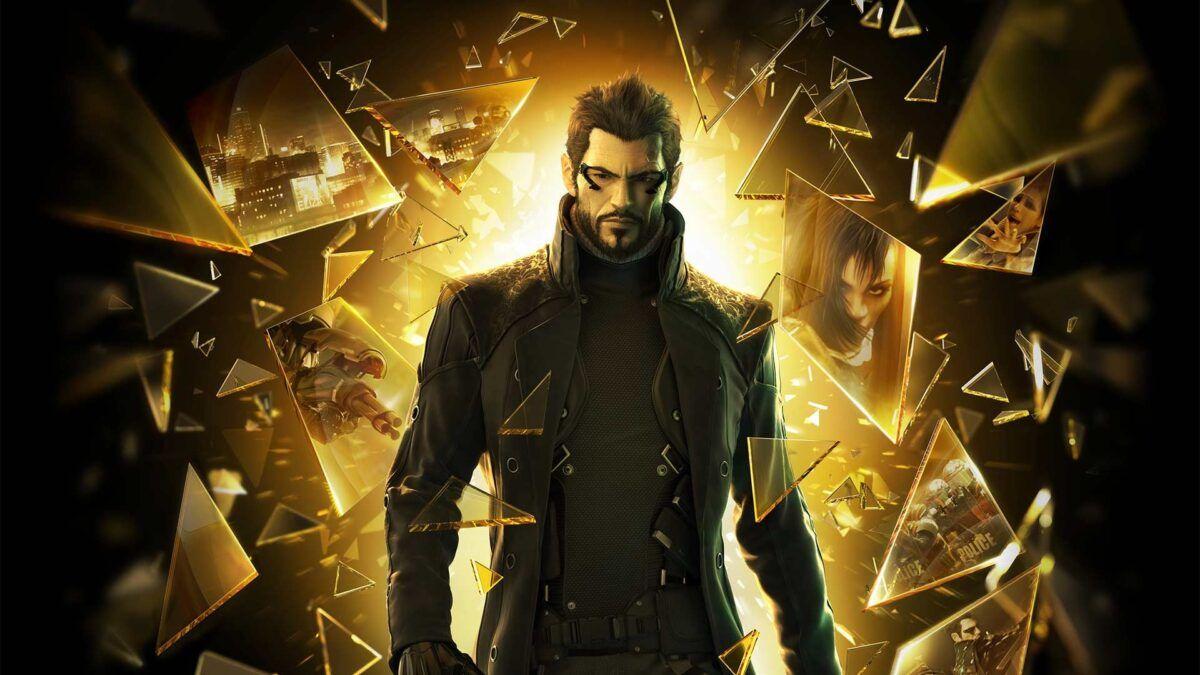
Baldur's Gate 3 Actor Neil Newbon Criticizes AI in Gaming: "It's Shit"
29 Jul 2025•Entertainment and Society

Harrison Ford Praises Human Talent, Dismisses AI Concerns in Video Game Voice Acting
06 Feb 2025•Entertainment and Society

Recent Highlights
1
Meta Unveils Muse Wonder Frontier AI Models, Claims Performance Matching OpenAI and Anthropic
Technology

2
IMF Report Warns AI Market Correction Could Spark Global Financial Crisis With $1.4T at Risk
Business and Economy

3
OpenAI Releases 722 AI-Generated Math Solutions, Triggering Existential Crisis in Mathematics
Technology

Recent Highlights
Today's Top Stories






Don’t drown in AI news. We cut through the noise - filtering, ranking and summarizing the most important AI news, breakthroughs and research daily. Follow topics that matter to you and stay ahead.


