Matt Clifford Steps Down as ARIA Chair After Anthropic Role Sparks Conflict of Interest Concerns


6 Sources
[1]
Aria chair steps aside after conflict of interest concerns over ...
Matt Clifford has stepped down from his role as chair of Aria following concerns his work for AI firm Anthropic would be a conflict of interests The chair of the UK's Advanced Research and Invention Agency (Aria), Matt Clifford, has resigned days after announcing that he is taking up a full-time
[2]
Matt Clifford to leave ARIA before Anthropic role becomes a 'distraction'
Matt Clifford is stepping down as chair of the UK's taxpayer-funded Advanced Research and Invention Agency (ARIA), just days after saying he intended to keep the job while working for AI giant Anthropic. Clifford, one of the architects of the UK government's AI strategy, said in a LinkedIn post on
[3]
Anthropic hires architect of UK AI policy as MPs warn of 'clear conflict of interest'
UK Parliament's science and technology committee has asked the government to explain how it will avoid conflicts of interest after Anthropic recruited Matt Clifford, chair of blue-sky research agency ARIA. Clifford said he was joining the US AI poster child as managing director of international
[4]
Matt Clifford quits ARIA: the safeguards lasted five days
Matt Clifford is stepping down as ARIA chair, five days after joining Anthropic as its international affairs lead. A government department had already reviewed that overlap and signed off mitigations. Parliament took days to undo it, and now wants the assessments. The man who wrote the UK's AI
[5]
Architect of UK's AI policy quits after Anthropic conflict of interest concerns
Matt Clifford forced to stand down amid disquiet from senior MPs over his new full-time job at AI company The chair of the UK government's "moonshot" science and technology research unit has been forced to stand down after taking a job with the San Francisco AI firm Anthropic, after warnings from
[6]
Architect of British government's AI strategy joins Anthropic
Matt Clifford, who drafted AI action plan and advised Starmer and Sunak, hired for senior role at US firm The architect of the UK government's AI strategy has joined the US startup Anthropic in a senior role a year after stepping down from his Downing Street post. Matt Clifford, a successful tech
Share
Copy Link
Matt Clifford resigned as chair of the UK's Advanced Research and Invention Agency just days after joining Anthropic as managing director of international affairs. The move came after Parliament raised conflict of interest concerns over his dual role at the taxpayer-funded agency that licenses AI technology and the company that supplies it.
Matt Clifford Resigns From ARIA Chair Position
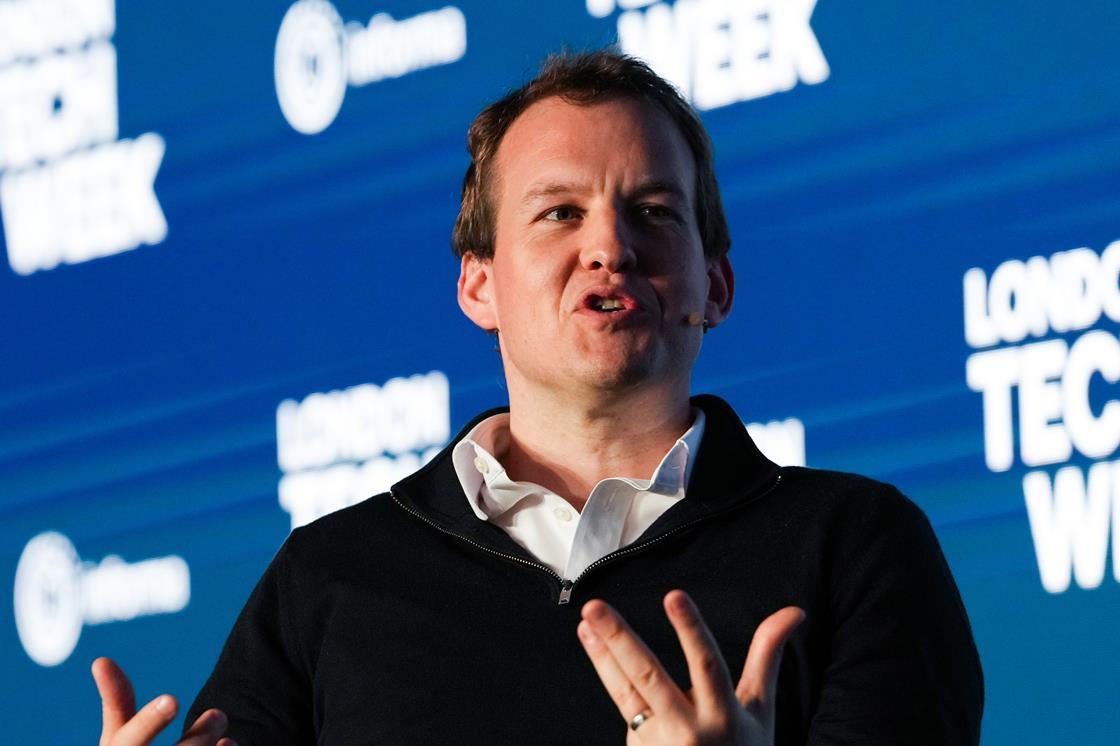
Matt Clifford has stepped down as chair of the UK's Advanced Research and Invention Agency (ARIA) following intense parliamentary scrutiny over conflict of interest concerns related to his new role at Anthropic
1
. The resignation came just five days after Clifford announced his appointment as Anthropic's managing director of international affairs, a position that would involve leading the company's engagement with governments outside North America2
.
Source: Chemistry World
Clifford, who was appointed as ARIA's first chairperson in July 2022, initially stated he planned to retain his position at the taxpayer-funded agency while working for Anthropic
1
. However, this decision drew immediate criticism from senior MPs, forcing a rapid reversal of his plans.Parliamentary Scrutiny Over Conflict of Interest
Chi Onwurah, Labour MP and chair of the House of Commons science committee, warned that Clifford's intention to remain as ARIA chair while working for Anthropic created a "clear conflict of interest"
1
. The concern centered on ARIA's role in investing taxpayer money in cutting-edge research, much of it AI-related or AI-enabled, while Clifford would simultaneously represent a major AI company3
.
Source: The Register
The overlap became particularly problematic because ARIA holds a commercial licence with Anthropic, alongside other AI providers, making the agency a customer of the company Clifford now works for
4
. This direct commercial relationship amplified parliamentary scrutiny and ethical governance concerns about the arrangement.Safeguards Collapsed Within Days
What makes this situation particularly notable is that the Department for Business, Innovation, Science and Trade had formally reviewed the arrangement before Clifford's announcement
4
. Robust mitigations had been agreed, including Clifford stepping back from any ARIA business where a conflict could arise. Anthropic stated that Clifford would have no involvement in or visibility of ARIA's commercial discussions with the company4
.Despite these safeguards, the structure collapsed within five days of meeting Parliament. The speed of this reversal highlights the gap between departmental approval processes and parliamentary expectations for AI governance standards in public-private sector interactions.
Questions Remain About Approval Process
Onwurah welcomed Clifford's decision to step down but emphasized that important questions remain unanswered
2
. She wrote to the government seeking clarity on how this situation arose, what conflict of interest assessments were undertaken, and what safeguards are in place to protect confidence in ARIA's governance. She expects a detailed response in the upcoming weeks1
.The AI Minister, Kanishka Narayan, now faces pressure to explain how the original arrangement received departmental approval despite the obvious conflicts
4
. This scrutiny extends beyond one individual's career move to broader questions about governance frameworks for UK AI policy leadership.Matt Clifford's Influence on UK AI Policy
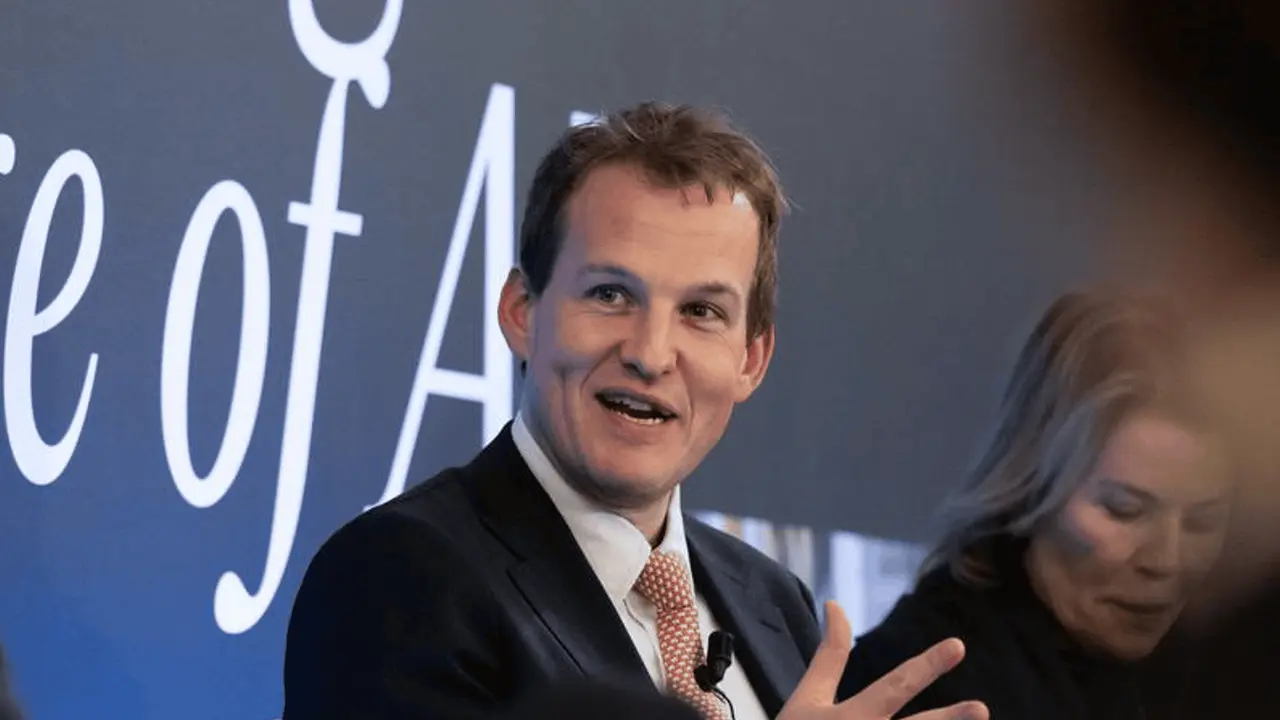
Clifford has been a pivotal figure in shaping UK AI policy over recent years. He served as former prime minister Keir Starmer's AI opportunities adviser, devising the government's AI Opportunities Action Plan, which led to the establishment of the £500 million Sovereign AI Fund this year
1
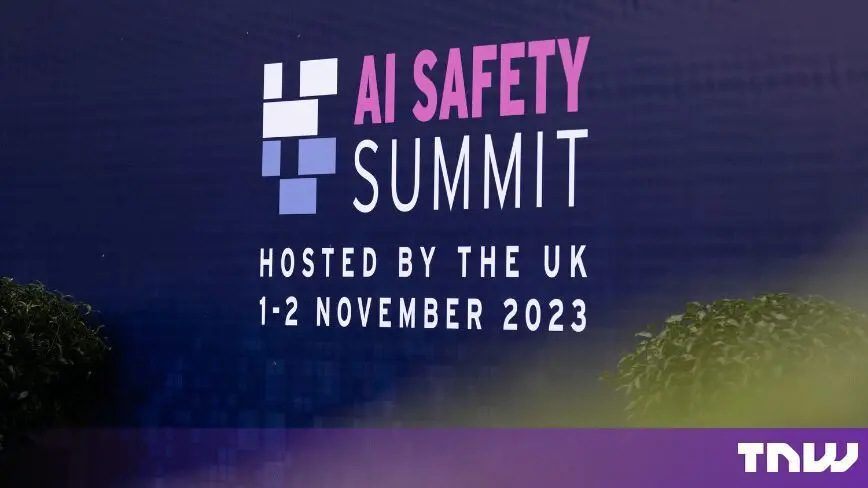
. He also helped establish the Frontier AI Taskforce, which later became the AI Security Institute, and worked on the UK's 2023 AI Safety Summit2
.
Source: The Next Web
The 40-year-old made his career in the private sector as co-founder of the venture capital outfit Entrepreneurs First, becoming a key figure in the UK tech scene
5
. His deep knowledge of sensitive AI policy matters makes his transition to Anthropic particularly concerning to critics who worry about weakening the government's hand when pushing for precautionary approaches to AI development5
.Related Stories

Revolving Door Between Government and AI Companies
Clifford's move highlights a broader pattern of movement between government and AI companies. Former prime minister Rishi Sunak has taken roles at Anthropic and Microsoft, while former chancellor George Osborne works for OpenAI
5
. This revolving door phenomenon raises questions about whether extensive knowledge of policy details flowing to private companies could compromise future regulatory efforts.Beeban Kidron, a crossbench peer and prominent critic of government AI policy, stated that rebuilding trust in government requires "a clear line between tech interests and those of citizens and the nation"
5
. Tom Brake of Unlock Democracy warned that taking detailed knowledge about AI policy to private companies shortly after leaving government could weaken the state's position in future negotiations5
.Transition Period and Future Implications
Clifford will remain as ARIA chair until 6 November while the Department of Business Innovation Science and Technology conducts a search for his replacement
1
. He stated he agreed to stay "with appropriate safeguards against potential conflicts in place"2
.This transition period means that for two more months, the chair of a public agency that licenses Anthropic technology is also the Anthropic executive who deals with governments
4
. The arrangement underscores ongoing tensions in AI governance about how to balance expertise flow between sectors while maintaining public trust.The timing of this controversy coincides with renewed warnings about AI risks. Geoffrey Hinton, the AI pioneer, gave a statement supporting a bill to prohibit the creation of artificial superintelligence, warning that "losing control over AI smarter than ourselves could even lead to human extinction"
5
. These concerns about artificial superintelligence development make governance questions around AI policy leadership even more pressing for regulators and lawmakers watching how the UK navigates these conflicts.References
Summarized by

Navi
[1]
[3]
[4]
Related Stories
Keir Starmer's AI Adviser Matt Clifford Steps Down After Six Months
20 Jun 2025•Policy and Regulation
Alan Turing Institute CEO Resigns Amid Turmoil and Strategic Shift
05 Sept 2025•Policy and Regulation
OpenAI's Only Dedicated Ethicist Chloé Bakalar Leaves After Less Than a Year With No Replacement
11 Aug 2026•Business and Economy
Recent Highlights



Recent Highlights
Today's Top Stories






Don’t drown in AI news. We cut through the noise - filtering, ranking and summarizing the most important AI news, breakthroughs and research daily. Follow topics that matter to you and stay ahead.


