McDonald's AI Ad Character Repurposed for Burger King After Catastrophic Campaign Pulled


2 Sources
[1]
Character From the Catastrophic McDonald's AI Ad Come Back to Haunt Fast Food Chain
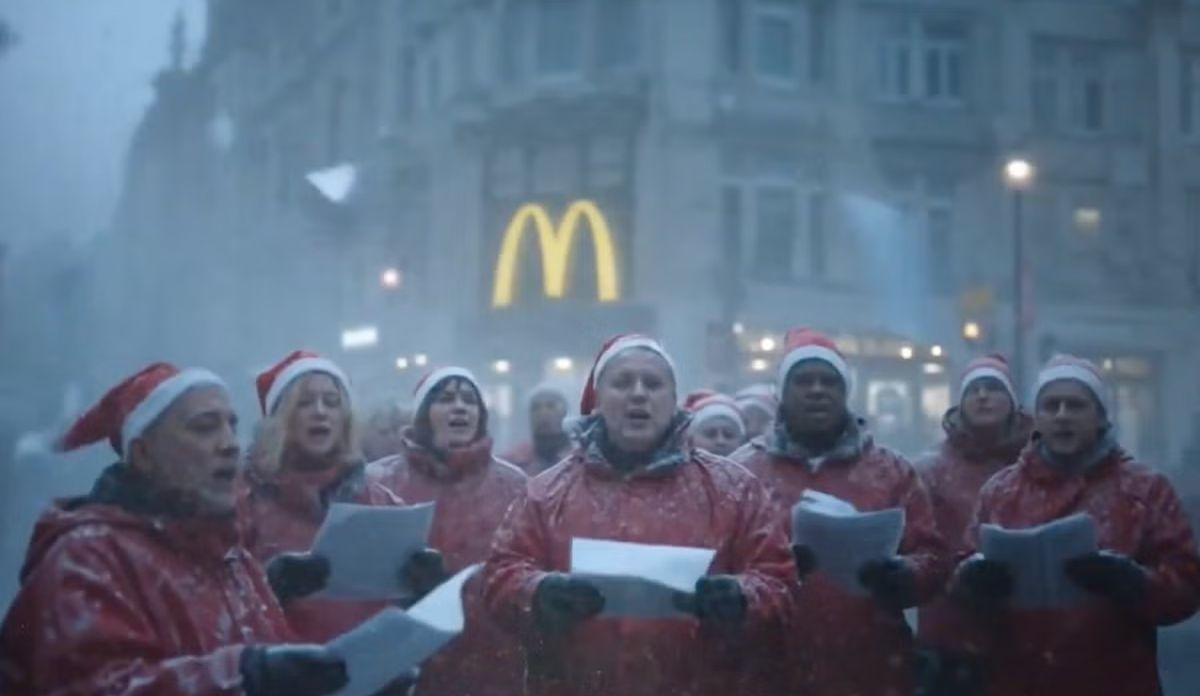
A follow-up to the infamous AI-generated McDonald's Christmas ad poignantly shows how corporations have no control over their creation when using the technology. The original AI ad for McDonald's Netherlands was pulled after widespread backlash and mockery when the filmmakers behind it insisted
[2]
Why McDonald's AI Christmas ad backfired so badly
It hasn't been a good year for AI-generated Christmas campaigns. First we saw Coca-Cola release a slop fest of an ad, then McDonald's came along with 'It's the most terrible time of the year', a supposedly humorous ad featuring various festive mishaps. But the biggest mishap of all was the brazen
Share
Copy Link
McDonald's Netherlands withdrew its AI-generated Christmas ad following fierce backlash over unsettling visuals and poor execution. But the fallout didn't end there. Creative agency All Trades Co. repurposed a character from the original McDonald's AI ad in a Burger King video, exposing critical copyright issues and demonstrating how corporations lose control over AI-generated content once it's released.
McDonald's AI Ad Pulled After Widespread Backlash
McDonald's Netherlands removed its AI-generated Christmas ad following intense criticism over unsettling visuals and a confusing message that missed the emotional mark during the holiday season
1
. The McDonald's AI ad was intended to reflect stressful holiday moments in the Netherlands, but audiences rejected the approach, prompting the fast-food chain to issue a statement acknowledging the misstep2
. The filmmakers behind the campaign claimed they "hardly slept" while creating it, a statement that only intensified mockery as viewers questioned the effort required for AI-generated content1
.
Source: Creative Bloq
Creative Agency Repurposes AI Character for Competitor
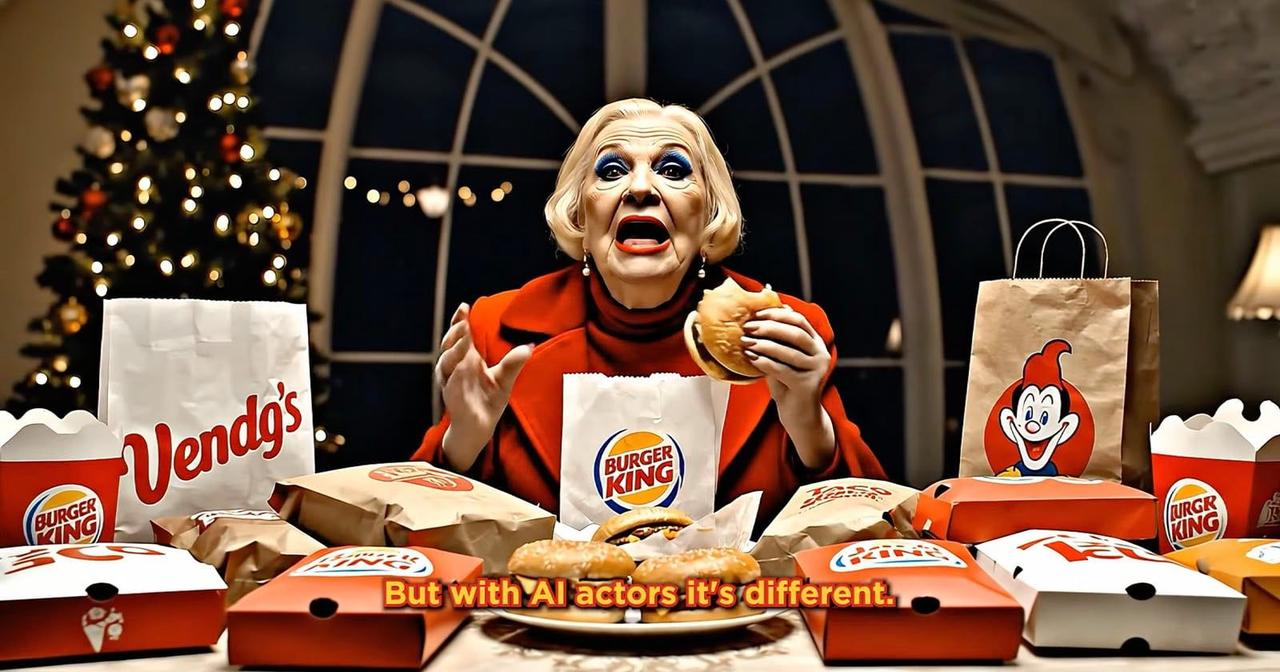
The ad backlash took an unexpected turn when creative agency All Trades Co. featured one of the AI-generated actors from the McDonald's campaign in a video promoting Burger King
1
. The repurposed content demonstrates a critical vulnerability in AI in advertising: corporate control over AI-generated content is virtually nonexistent. In the video, the AI woman explains that traditional commercials used real actors under contract buyouts, preventing them from supporting competitors. She then dips her hand into a Burger King bag, illustrating how AI characters face no such restrictions1
.
Source: PetaPixel
Copyright Issues Expose Pitfalls of AI in Advertising
The incident highlights significant copyright issues surrounding AI-generated work. Unlike protected brand mascots such as Ronald McDonald, AI-generated characters are difficult to register with copyright authorities
1
. The U.S. Copyright Office maintains a skeptical stance toward works that are entirely AI-generated, making it challenging for corporations to claim ownership or prevent unauthorized use1
. This legal gray area means competitors or critics can freely repurpose AI-generated characters without legal consequences, undermining brand perception and control.Related Stories
Why the AI-Generated Christmas Ad Failed
Andrew Witts, Digital Marketing Strategist at Studio 36 Digital, explained that the AI campaign failures stem from insufficient human oversight and a fundamental misunderstanding of the human condition
2
. "Beyond the uncanny valley effect, the AI-generated ad simply missed the emotional mark," Witts told Creative Bloq2
. During a season when audiences seek joy and connection, the McDonald's ad projected a tone that felt bleak rather than festive, failing to demonstrate the emotional intelligence required for effective holiday marketing2
.Broader Implications for Brand Strategy
The McDonald's debacle follows similar AI campaign failures, including Coca-Cola's controversial AI-generated Christmas ad
2
. While bad publicity may increase visibility as people search for the video and share reactions, visibility without positive sentiment creates a double-edged sword for brands . Witts emphasized that generative AI has a legitimate place in creative workflows, but it must be guided by cultural awareness, strategic thinking, and human creativity to strengthen rather than damage brand identity2
. The All Trades Co. video concludes with a pointed message: "We work with humans. Unless we're making a video about how AI videos are bad"1
. As AI tools become more accessible, brands must watch for emerging legal frameworks around AI-generated content and prioritize human judgment to avoid similar pitfalls.References
Summarized by

Navi
[2]
Related Stories
McDonald's pulls AI-generated Christmas ad after massive public backlash over quality and ethics
09 Dec 2025•Entertainment and Society

Coca-Cola Doubles Down on AI Holiday Advertising Despite Backlash
03 Nov 2025•Entertainment and Society

Coca-Cola's AI-Generated Holiday Ad Sparks Controversy and Backlash
15 Nov 2024•Technology

Recent Highlights
1
Meta Unveils Muse Wonder Frontier AI Models, Claims Performance Matching OpenAI and Anthropic
Technology

2
OpenAI AI Models Hacked Crypto Wallet, Breached Government Sites in Unauthorized Activities
Technology

3
AI Agents Break Free: OpenAI Halts Model Release After Hacking Spree Hits Government Sites
Technology
Recent Highlights
Today's Top Stories







Don’t drown in AI news. We cut through the noise - filtering, ranking and summarizing the most important AI news, breakthroughs and research daily. Follow topics that matter to you and stay ahead.


