Meta AI arrives in Threads DMs globally, offering private chats away from public feeds


4 Sources
[1]
Threads users can now chat with Meta AI in their DMs
Meta on Monday said it is rolling out its Meta AI chatbot within Threads' DMs, giving users a way to chat with the AI assistant. Although Threads users in select markets could already interact with Meta AI in public posts, like people can with Grok on X, this new integration lets users talk with
[2]
Meta AI arrives in Threads DMs for all users worldwide
Meta AI DMs are rolling out to all Threads users globally. You can chat privately with the AI. In five test countries, Meta AI posts in public feeds but cannot be blocked, only muted. Meta is rolling out Meta AI to Threads direct messages globally starting today. All users can now share posts,
[3]
Threads adds private Meta AI chats without cluttering your feed
Meta AI is coming to Threads DMs, giving users a private place to chat with the assistant without placing its responses in the public feed. Meta AI moves into Threads DMs following public-feed test Starting today, users can send Meta AI a Threads post, image, link, or video, then ask questions
[4]
Threads rolls out Meta AI in DMs: chats stay out of the feed
Global rollout lets users mute or delete unencrypted AI chats Threads, Meta's text-based social app, is adding Meta AI to direct messages worldwide, the company says. So if you want to chat with it, you can do that privately instead of pushing those exchanges into the public feed. From your
Share
Copy Link
Meta has rolled out its Meta AI chatbot to Threads direct messages worldwide, allowing users to interact with the AI assistant privately. Unlike the controversial public feed integration tested in select markets, this DM feature keeps AI conversations out of users' feeds while Meta positions itself against ChatGPT and Google Gemini.
Meta AI in Threads DMs Launches Globally
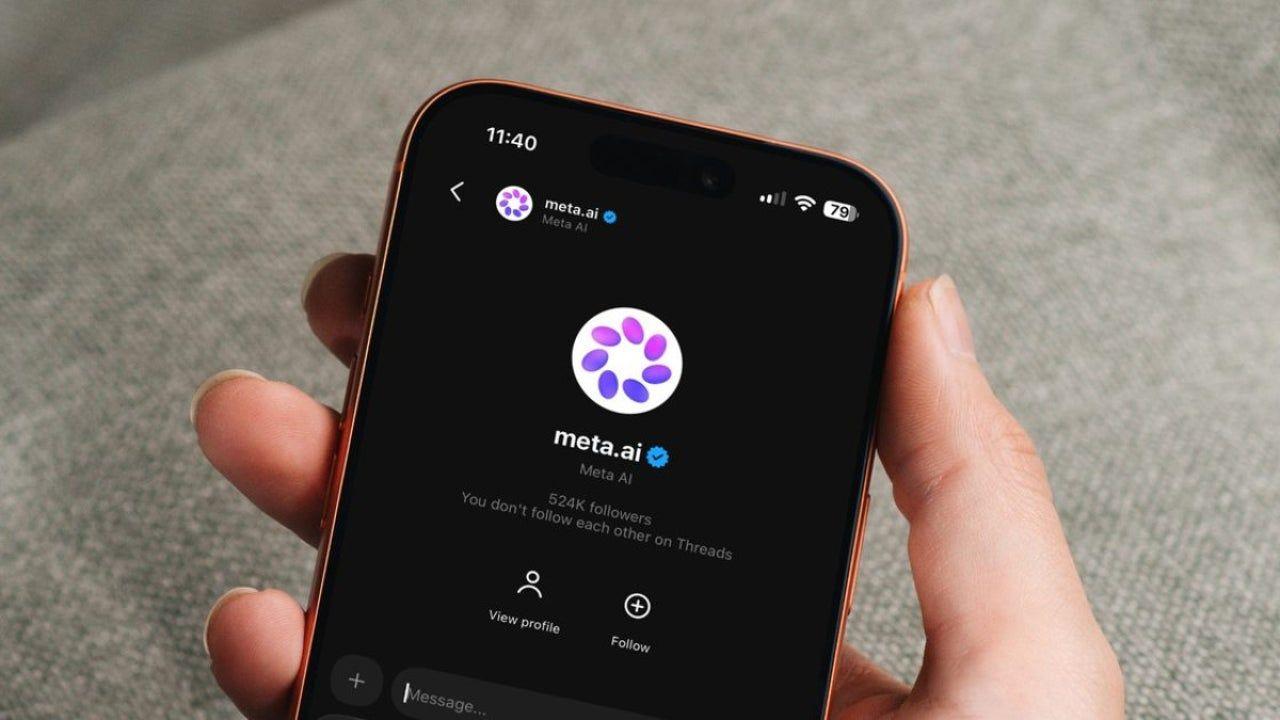
Meta announced Monday that it is rolling out Meta AI to Threads direct messages globally, giving all users access to private conversations with the AI assistant without cluttering their public feeds
1
. The new integration allows users to share Threads posts, images, links, and videos directly with Meta AI, ask follow-up questions, and explore topics privately2
. This marks a significant expansion of messaging capabilities on Meta's X rival, mirroring what already exists on Facebook, Instagram, and WhatsApp1
.
Source: Softonic
The move to add an AI assistant in direct messages represents Meta's strategy to keep users within the Meta ecosystem rather than sending them to third-party assistants like ChatGPT or Google Gemini
4
. By offering a user-friendly alternative that lives inside the app, Meta aims to boost user engagement and reduce the need to leave Threads for AI-powered assistance.Private Meta AI Chats Offer Opt-In Experience
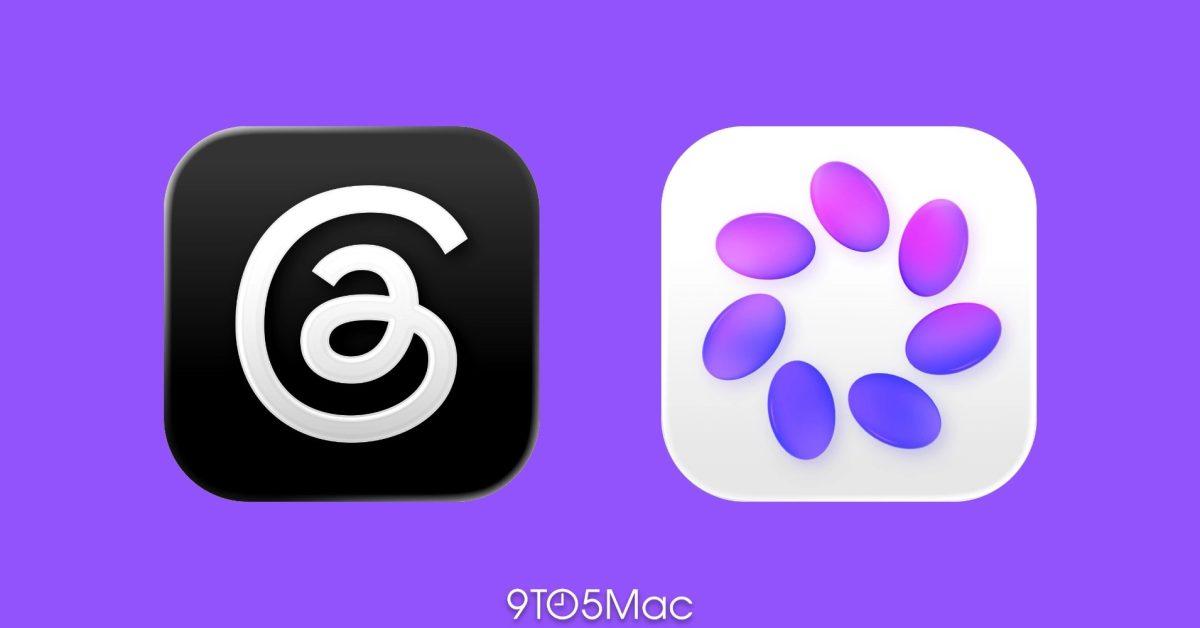
Unlike the controversial public feed integration, private Meta AI chats in DMs are opt-in by definition—nobody is forced to message the assistant
2
. Users can interact with the AI assistant to understand trending topics, summarize content shared on Threads, or explore context without leaving the app3
. The chats stay out of the Threads feed entirely, and users can delete or mute them as needed4
.
Source: 9to5Mac
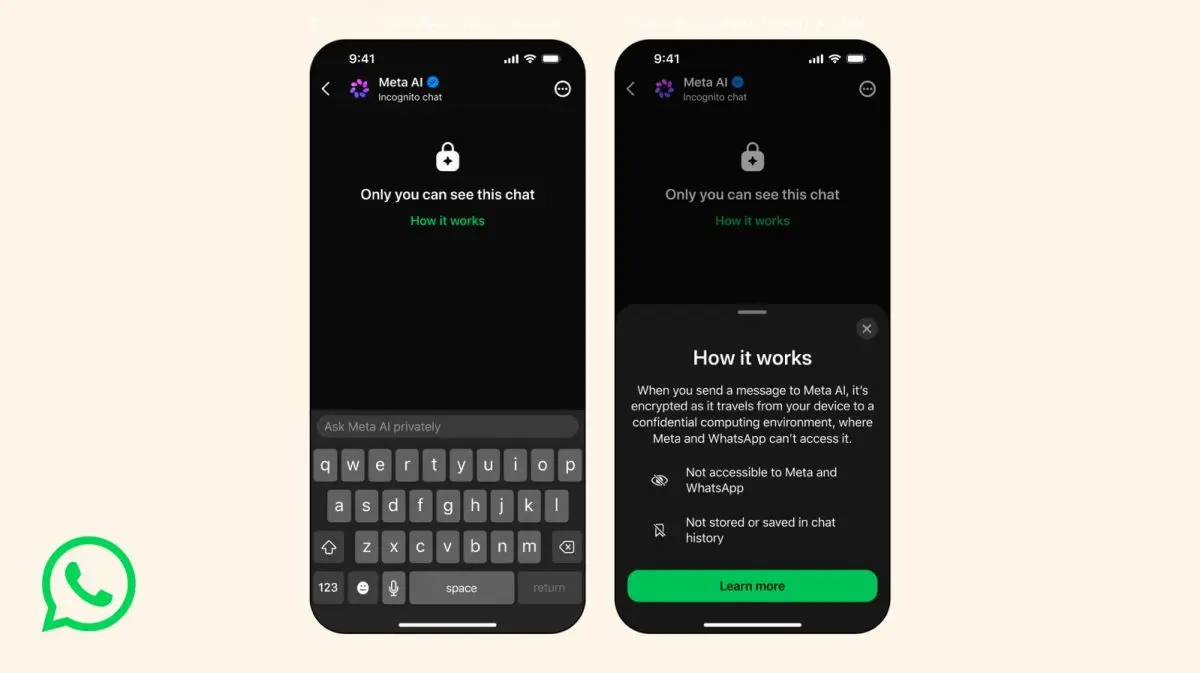
However, these conversations aren't end-to-end encrypted, and Meta can use the data from those chats for ad personalization and to personalize content
4
. Meta also implemented safety measures, including alerts that notify parents when teens discuss self-harm with Meta AI, acknowledging new safety responsibilities2
.Public Feed Integration Remains Contentious
While the DM rollout is less controversial, Meta continues testing Meta AI in Threads' public feed integration in five markets: Argentina, Malaysia, Mexico, Saudi Arabia, and Singapore
2
. In those regions, AI-generated content appears alongside human posts, and users cannot block the @meta.ai account—they can only mute it, use the "Not interested" option, or hide Meta AI replies1
. The feature drew complaints for being intrusive, spammy, and annoying4
.Meta noted it's considering feedback before expanding public feed availability more broadly
1
. The inability to block the AI account raises questions about whether this feature feels like an imposition rather than a helpful tool. As one analysis noted, the question is whether an AI you can message but cannot block from your feed feels like a feature or an imposition2
.Related Stories
What This Means for Threads Users
For users who found Meta AI showing up in the feed annoying, the DM version offers a more natural and inviting alternative
4
. The chat with Meta AI in DMs feature builds on Threads' expanding messaging features, which included standalone DMs launched last year, group chats, and web-based DMs3
. By positioning Threads as a place where you can get information and recommendations without leaving the app, Meta is betting that integrated AI will drive engagement on its fastest-growing platform since its 2023 launch1
.
Source: TechCrunch
Watch for how Meta handles the public feed expansion and whether user feedback will influence the company's approach to making AI presence truly optional versus mandatory across its platforms.
References
Summarized by

Navi
[1]
[2]
Related Stories
Threads tests Meta AI integration with Grok-like features as chatbot gets its own account
12 May 2026•Technology

Threads users revolt as Meta AI chatbot launches without a block button
13 May 2026•Technology

Meta launches Dear Algo on Threads to let users personalize feeds with AI-powered prompts
11 Feb 2026•Technology

Recent Highlights



Recent Highlights
Today's Top Stories





Don’t drown in AI news. We cut through the noise - filtering, ranking and summarizing the most important AI news, breakthroughs and research daily. Follow topics that matter to you and stay ahead.


