Meta's AI Content Moderation Error Suspends No Kings Coalition During Critical Early Voting Push


2 Sources
[1]
Trump wanted to give No Kings no air. Then, Meta suspended its Instagram.
Meta faces pressure to protect No Kings Instagram on election day. Over the weekend, the No Kings Coalition said Meta declined to commit to taking steps to prevent automated systems from suspending one of Instagram's most-prominent pro-democracy accounts if activity surged around the page during
[2]
Meta says automation wrongly took down No Kings and a Senate candidate's page. It's automating more anyway
Meta has spent the last year handing more of its content moderation to artificial intelligence. In the last few weeks, Facebook and Instagram's parent company has fended off election-interference accusations in Brazil and the U.S. It has largely blamed these errors on its automated systems. Those
Share
Copy Link
Meta suspended the No Kings Coalition's Instagram account for four hours during a peak early voting event, blaming AI-driven content moderation systems that mistook Claude AI tool usage for bot activity. The coalition, which organized protests drawing over 8 million people, rejected Meta's apology and demanded policy changes as the company shifts 90% of moderation to automation by year-end.
Meta Suspends Pro-Democracy Account During Election Push
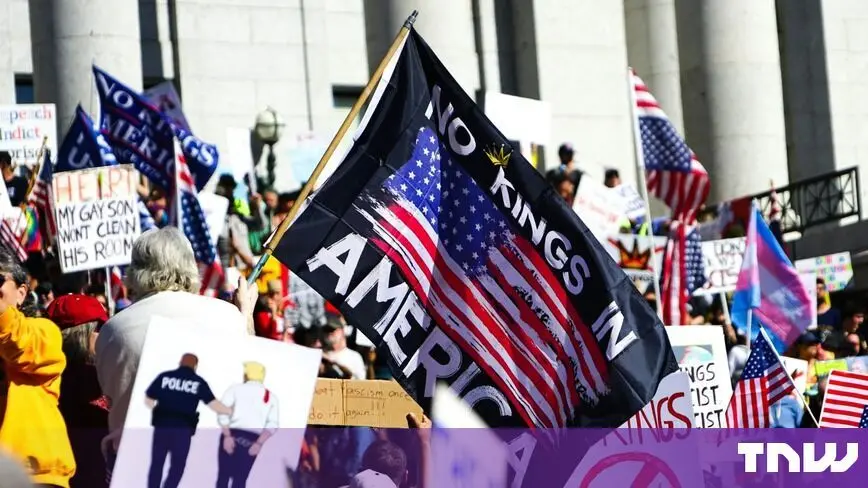
Meta suspended the No Kings Coalition's Instagram account for four hours on October 17 during the group's fourth national day of action focused on early voting. The suspension of Instagram account occurred at approximately 1:30 p.m. ET, precisely when the coalition was coordinating its largest voter turnout effort. Meta's automated systems flagged the account after detecting what appeared to be bot-like behavior, though the actual cause was the coalition's use of Claude AI as a keyword and hashtag search tool to track social media conversations.
Meta's vice president of communications, Andy Stone, initially attributed the suspension to unusually high posting rates before revising the explanation to cite network security systems detecting Claude AI tool usage. While automated review identified the error within an hour, additional technical hurdles prevented administrators from regaining access for several hours. The incident drew immediate criticism from state and federal lawmakers, with a coalition of 14 attorneys general requesting Meta explain its actions.
No Kings Demands Accountability From Meta Leadership
The No Kings Coalition rejected Meta's offer to meet with a technical expert, instead demanding a meeting with senior leadership to address systemic concerns about voter suppression concerns. The group submitted eight questions to Meta, including a request for public disclosure of any communications with the Donald Trump administration regarding the account or the historic early voting day event. The coalition emphasized that millions of Americans relying on Meta's platforms need assurance that election-related content won't face disruption.
On October 30, Meta executives met with No Kings but offered no policy changes. According to the coalition's account, Meta stated it has "no plans" to modify policies that lead to over-enforcement. This stance alarmed even Meta's independent Oversight Board, which reviews content decisions and worries about potential suppression of pro-democracy content during critical periods. "Meta acknowledged that it made a mistake, but an apology without action does nothing to ensure that this kind of censorship won't happen again," the coalition stated.
Coalition's Growing Influence and Organizational Evolution
Formed in 2025 after Donald Trump returned to office for a second term, the No Kings Coalition organized some of the largest coordinated protests in recent US history. The group's first protests in June 2025 drew an estimated 5 million participants, with attendance growing to 7 million in October 2025 and over 8 million in March. For the October 17 event, organizers aimed to mobilize more than 9 million people directly to the polls through coordinated early voting efforts.
The coalition comprises hundreds of civil rights organizations, including Black Voters Matter and the American Civil Liberties Union. As the November 3 election approached, the coalition established a centralized Instagram account to coordinate social media messaging and amplify content. This organizational shift led to the decision to use Claude AI for tracking conversations across platforms, which ultimately triggered Meta's AI content moderation systems.
Meta Accelerates Shift to AI-Driven Content Moderation
Meta announced in March its plan to deploy more advanced AI content-enforcement systems across its platforms. By June, large language models had replaced human content moderators for approximately half of review requests, according to the Financial Times
2
. The company aims to achieve 90% or more automation for some violation categories by the end of 2026. Meta reported that its models make 13% fewer errors than human reviewers and catch 10% more violations, though some employees have warned the transition is proceeding too rapidly with insufficient oversight.The shift represents a dramatic change from 2018, when Facebook established a "war room" of more than two dozen experts to combat election interference ahead of elections in Brazil and the United States. Eight years later, Meta now calls this operation the Election Operations Center, but significantly more work has transferred from people to software. The Institute for Strategic Dialogue noted in an October report that platforms increasingly rely on "crowdsourced and automated systems" rather than human oversight, with little disclosure about how these systems work or are tested.
Related Stories
Pattern of Automated Errors Raises Election Integrity Questions
The No Kings incident was not isolated. Stone's account apologized for another accidental enforcement action affecting a Republican-controlled account the day before the No Kings meeting. "We automatically removed the @MOSenateGOP Facebook account because our systems mistakenly assessed the account was impersonating another one," Stone said
1
. Meta faces similar accusations in Brazil, where President Luiz Inácio Lula da Silva's campaign alleged the platform restricted his online reach through technical errors and biased algorithms during the October 25 runoff election.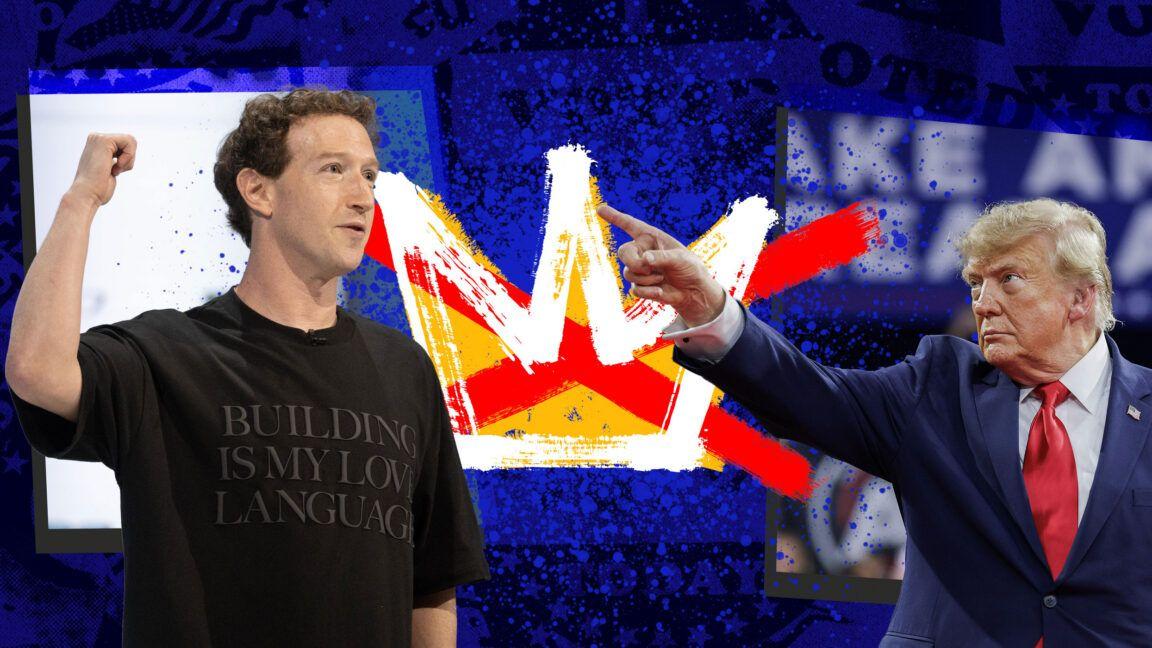
Source: Ars Technica
Brazil's Superior Electoral Court ordered Meta to treat both candidates equally under threat of daily fines of 500,000 reais (approximately $98,000). The court found Meta's initial responses insufficient and demanded proof the company had not restricted either candidate. Meta denied treating candidates unequally, attributing problems to technical errors, though Brazil's electoral prosecutor argued that errors varied by candidate, undermining this explanation. Federal prosecutors opened an inquiry into account takedowns and filed a civil suit against Meta on October 21.
Implications for Democratic Participation and Platform Accountability
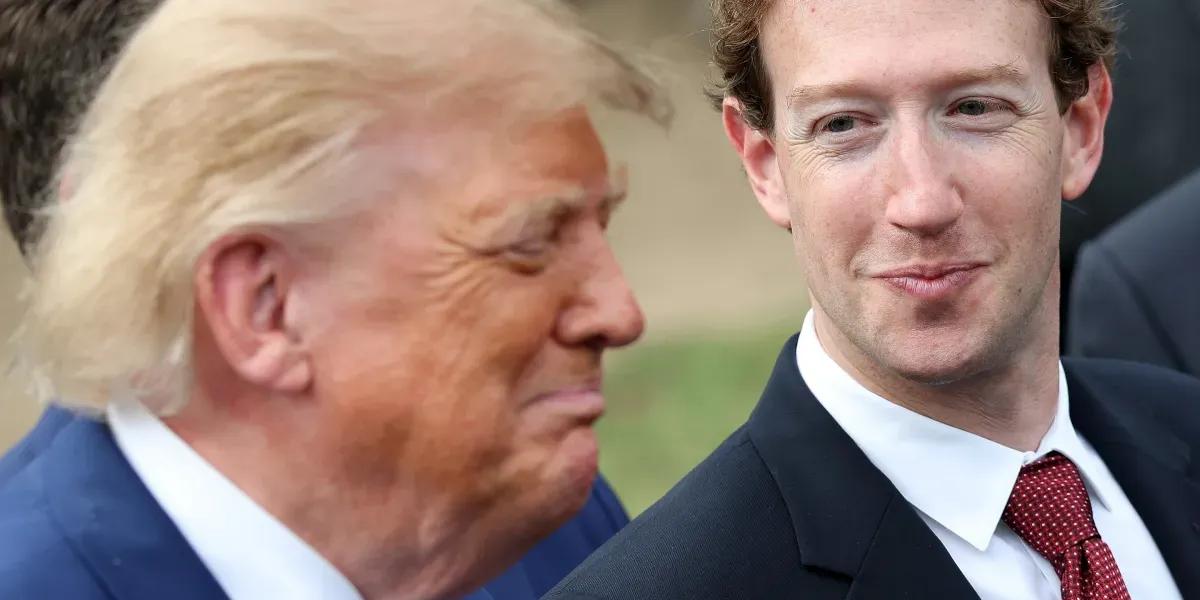
The No Kings Coalition emphasized that the issue extends beyond a single account suspension. "This was never simply about a technical glitch or one Instagram account," the coalition's press release stated. "It's about whether millions of Americans can rely on these platforms to organize, communicate, and access critical voting information without disruption." Ars Technica found no evidence that the Trump administration requested Meta restrict the No Kings account or that anyone at Meta intentionally targeted the account for political reasons
1
.
Source: Fortune
Meta's $201 billion in revenue last year underscores its massive influence over digital communication during election cycles. As Meta's automated systems handle more content decisions with less human oversight, questions mount about accountability when bot detection and AI-driven content moderation systems make errors during critical democratic moments. The Institute for Strategic Dialogue warned that "relying on them as the primary means of oversight during a fast-moving election cycle remains an untested proposition," highlighting concerns that will likely intensify as Meta pushes toward near-total automation of content moderation by year-end.
References
Summarized by

Navi
Related Stories
Meta Blames Claude AI Tool for Wrongly Suspending No Kings Coalition Instagram Account
19 Oct 2026•Technology
Meta's Shift: Zuckerberg Announces Major Policy Changes Amid Political Landscape Transformation
08 Jan 2025•Policy and Regulation

Foreign Interference and Disinformation Threats Escalate Ahead of U.S. Presidential Election
24 Oct 2024•Policy and Regulation

Recent Highlights
1
Google DeepMind unveils Genie 4 world model with audio and 2-minute interactive simulations
Technology

2
Google Unveils Gemini 4 Carbon AI Model With Major Cybersecurity Gains, Beating Claude Opus 5.5
Technology

3
Pope Leo XIV Demands AI Disarmament and Ban on Autonomous Weapons at UN Geneva Meeting
Policy and Regulation

Recent Highlights
Today's Top Stories








Don’t drown in AI news. We cut through the noise - filtering, ranking and summarizing the most important AI news, breakthroughs and research daily. Follow topics that matter to you and stay ahead.


