Meta's AI Talent Acquisition Strategy: Debunking the $100 Million Bonus Myth


2 Sources
[1]
Meta's AI Talent War Had Reports of $100 Million Bonuses. Here's Why it Matters
Reports suggest that Meta was baiting its recruiting hook with bonuses in the region of $100 million (though later reports suggested merely millions-of-dollars salaries were involved.) For contrast, typical engineer's salaries at OpenAI, now the market leading AI firm, are in the $100,000 to
[2]
Former OpenAI Researcher Who Got Lured In By Meta's Lucrative Offer Spills The Beans; He Did Not Receive The $100 Million Signing Bonus That Was Offered By The Social Media Giant
Meta has been somewhat successful in poaching OpenAI researchers to fuel its artificial intelligence conquest, with the company's primary weapon of choice being that attractive signing bonus of $100 million. To be fair, one would need to possess a resolve of steel to reject that offer, with OpenAI
Share
Copy Link
Meta's aggressive AI talent recruitment efforts, including reports of massive bonuses, have been called into question by a former OpenAI researcher who joined the company.
Meta's Aggressive AI Talent Acquisition Strategy
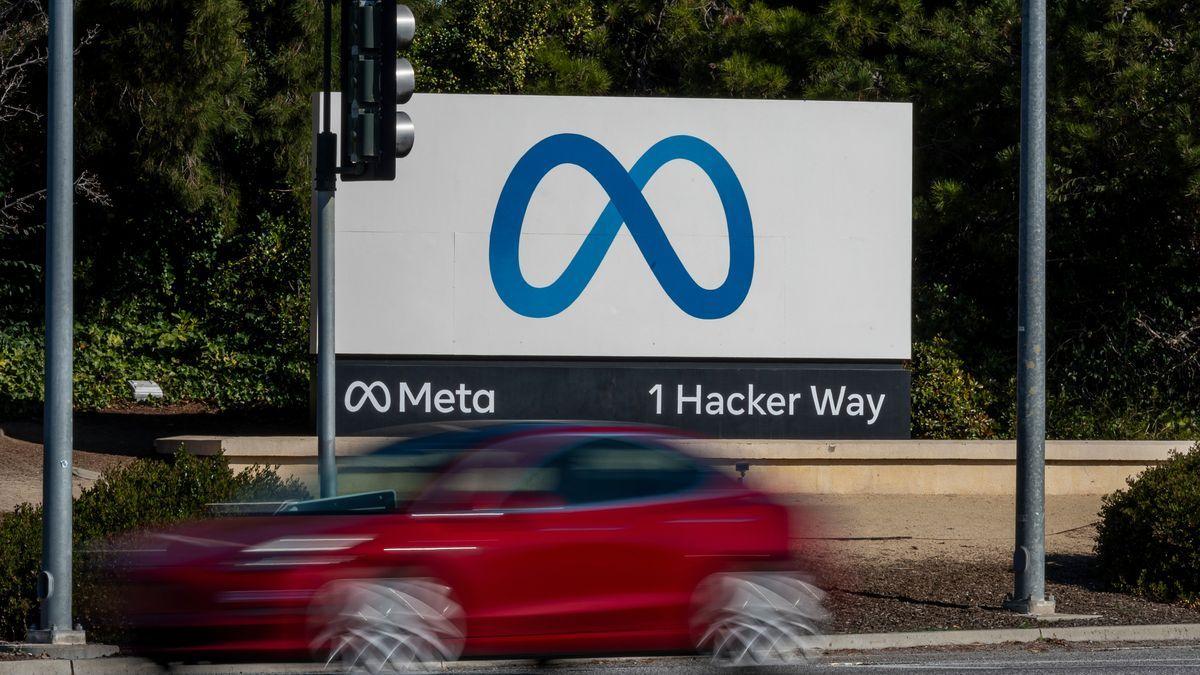
Meta, the parent company of Facebook, has been making waves in the artificial intelligence (AI) industry with its aggressive talent acquisition strategy. Reports initially suggested that the company was offering staggering bonuses of up to $100 million to lure top AI researchers from competitors, particularly OpenAI
1
. However, recent revelations from a former OpenAI researcher have cast doubt on these claims, sparking a debate about the tactics employed in the ongoing AI talent war.
Source: Wccftech
The $100 Million Bonus Myth
Lucas Beyer, a former OpenAI researcher who recently joined Meta along with his colleagues Alexander Kolesnikov and Xiaohua Zhai, has come forward to debunk the rumors of the $100 million signing bonus. Beyer stated on social media that neither he nor his colleagues received such an astronomical sum, calling the claims "lies"
2
. This revelation has led to speculation about the true nature of Meta's recruitment strategies and the compensation packages being offered to AI talent.OpenAI's Response and Industry Dynamics

Source: Inc.
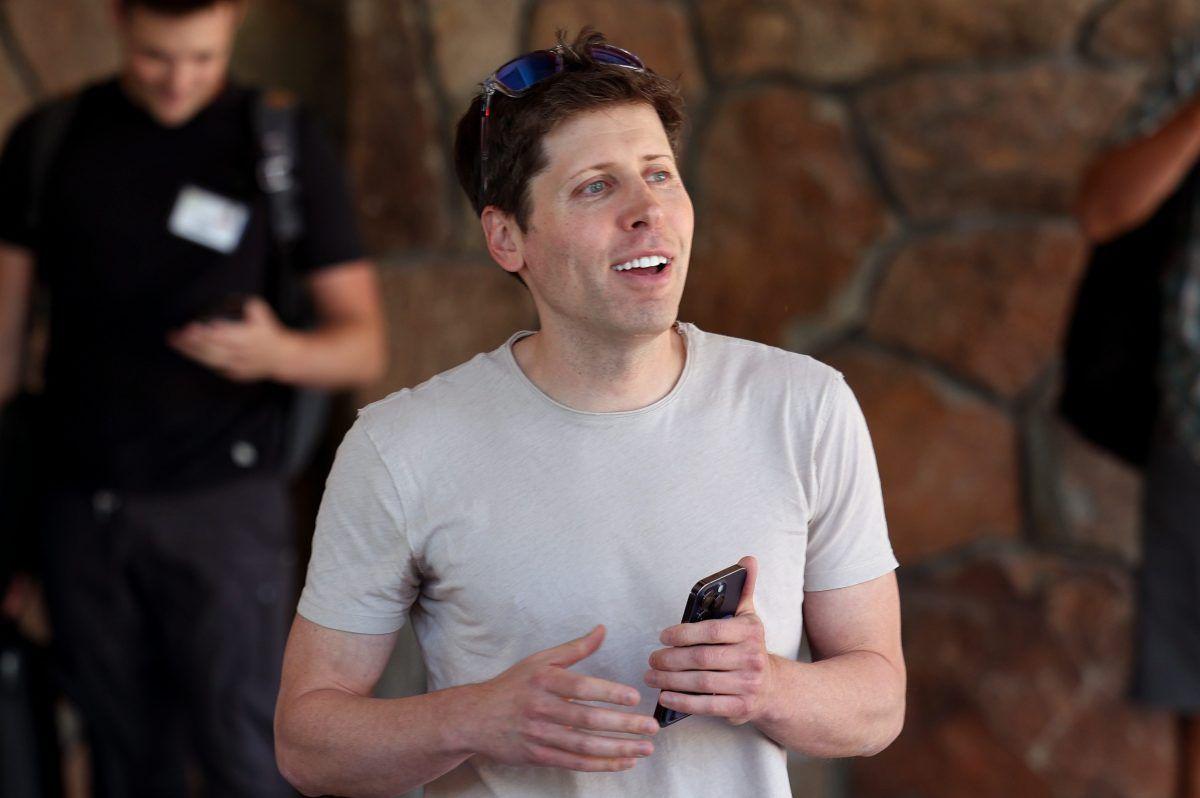
OpenAI's CEO, Sam Altman, has been vocal about Meta's recruitment efforts, describing them as "somewhat distasteful" in a memo to his staff
1
. Altman downplayed the impact of Meta's talent acquisition, stating that while they have "gotten a few great people for sure," the company had to "go quite far down their list" and couldn't poach their top targets1
.The Reality of AI Compensation
While the $100 million bonus may be a myth, the compensation packages in the AI industry are still substantial. Typical engineer salaries at OpenAI range from $100,000 to $200,000, according to Glassdoor
1
. Meta's offers, while not in the nine-figure range, are reported to be in the millions, significantly higher than industry standards.Meta's AI Ambitions and Investments
Meta's aggressive recruitment strategy is part of its broader push into AI development. The company has announced plans for a new superintelligence unit and has made significant investments in the field. This includes a reported $15 billion investment in Scale AI, a data-labeling firm, with plans for collaboration on superintelligence projects
2
.Related Stories

Industry Reactions and Implications
The AI talent war has sparked discussions about the ethics of such aggressive recruitment tactics and their impact on the industry. Sam Altman has expressed concerns that Meta's approach may not create a "great culture" and questioned the company's ability to innovate
2
. These developments highlight the intense competition for AI expertise and the strategic importance that tech giants place on advancing their AI capabilities.Conclusion
As the dust settles on the $100 million bonus controversy, the incident serves as a reminder of the high stakes in the AI talent war. While the reported figures may have been exaggerated, the competition for top AI researchers remains fierce, with companies willing to offer substantial compensation packages to secure the best talent. The ongoing developments in this space will likely continue to shape the future of AI research and development across the tech industry.
References
Summarized by

Navi
Related Stories
Meta's $1.25 Billion AI Talent Offer Rejected: Escalating War for Top AI Researchers
21 Jul 2025•Business and Economy
Meta's Billion-Dollar AI Talent Hunt: Zuckerberg's Aggressive Poaching Sparks Industry Debate
30 Jul 2025•Business and Economy

Meta's $100M Talent Poaching Attempts Fail to Lure OpenAI's Top Researchers
18 Jun 2025•Business and Economy
Recent Highlights



Recent Highlights
Today's Top Stories





Don’t drown in AI news. We cut through the noise - filtering, ranking and summarizing the most important AI news, breakthroughs and research daily. Follow topics that matter to you and stay ahead.


