Meta scales back employee monitoring plan after staff protest keylogging for AI training


15 Sources
[1]
Benevolent dictator Zuck will give Meta staff 30-minute breaks from keylogging privacy assault
Meta is reportedly backtracking on, or at least weakening, its plans to implement enhanced employee workplace monitoring following staff protests. According to the latest internal memo on the matter, first reported by Reuters, Meta is still planning to capture employees' keystrokes as previously
[2]
Exclusive: Meta scales back AI mouse clicks tool, citing employee concerns
NEW YORK, June 2 (Reuters) - Meta (META.O), opens new tab is dialing back elements of its plan to collect employee mouse movements, keystrokes and other actions for use as AI training data, it said in an internal memo on Tuesday, following weeks of angry pushback from staffers. "While we remain
[3]
Meta will reportedly let employees take 30-minute breaks from its tracking program - Engadget
Workers can pause the all-seeing eye when they need to "check something personal." Meta is making some minor concessions in its extremely dystopian plan to track employees' mouse clicks and keystrokes in the name of AI training. The company has reportedly made some changes to the controversial
[4]
Meta scales back plan to track workers' clicks and keystrokes to train AI
Meta is scaling back its plan to start tracking its employees' computer activity, according to an internal memo sent on Tuesday. In April the company received criticism from its own staff after it announced a new tool would log their keystrokes and mouse clicks to train its AI models. Now,
[5]

Meta's AI training effort is capturing employee emails and browsing history, not just mouse clicks
Serving tech enthusiasts for over 25 years. TechSpot means tech analysis and advice you can trust. What we know so far: Meta's latest AI push appears to be built on something broader than it initially suggested: a detailed, ongoing log of how its employees use their work computers. How this plays
[6]

Meta offers 30-minute pause on employee tracking after backlash
Meta is scaling back its employee keystroke and mouse-click tracking programme after 1,500 workers signed a petition. New controls let employees pause tracking for 30 minutes at a time, but the programme itself continues. When Meta announced in April that it would install software on US employees'
[7]
Exclusive: Meta tool to track employee mouse clicks on collision course with EU privacy rules
NEW YORK/AMSTERDAM, May 29 (Reuters) - Meta Platforms' (META.O), opens new tab plan to collect detailed records of U.S. employees' computer usage for training its AI models is more extensive than initially described and set to capture non-U.S. data in the process, according to internal
[8]
Meta's employee mouse tracking program could reportedly violate EU privacy laws - Engadget
'Reuters' says the tracking tool could capture emails and chats by non-US employees. Reuters says Meta's mouse tracking program for employees could run afoul of the EU's strict privacy rules. If you'll recall, the news organization reported back in April that the company will be capturing its US
[9]
Meta's employee mouse-click tracking tool is collecting EU data it said it would not collect
Internal documents show the Model Capability Initiative captures emails and chats US employees exchange with European colleagues, putting the AI-agent training programme on a collision course with GDPR. Meta's Model Capability Initiative, the surveillance programme it deployed across US employee
[10]

'We have heard your concerns': Meta workers can request pauses in computer activity tracking, but only in temporary, half-hour increments
* Meta's MCI program rolling out, but workers are still unhappy about it * Concerns raised over potential impacts on job prospects * Temporary 30-minute pauses can be requested Facebook parent company Meta has started rolling out a new workplace monitoring system that tracks employees' activity,
[11]

Meta faces employee backlash over tracking tool
In April, Reuters reported that Meta would track U.S. employees' mouse movements and keystrokes to train its AI agents. Weeks later, Meta laid off 8,000 employees, citing its AI push. Now, the company is facing backlash from remaining employees over the tracking tool, called Model Capability
[12]

Wow Meta thanks for 30 whole minutes off the surveillance leash
Meta is throwing its heavily monitored workforce an absolute bone. According to The Information, the tech giant is modifying its employee tracking program, euphemistically named the Model Capability Initiative (MCI), to allow workers a breathtaking 30-minute pause from digital surveillance to
[13]

Exclusive-Meta Scales Back AI Mouse Clicks Tool, Citing Employee Concerns
NEW YORK, June 2 (Reuters) - Meta is dialing back elements of its plan to collect employee mouse movements, keystrokes and other actions for use as AI training data, it said in an internal memo on Tuesday, following weeks of angry pushback from staffers. "While we remain confident in the
[14]

Meta tool to track employee mouse clicks on collision course with EU privacy rules
Meta's AI training tool, Model Capability Initiative (MCI), is reportedly capturing extensive U.S. employee computer usage, including non-U.S. data from communications. This extensive data collection could lead to new European privacy violations under GDPR, as employees express concerns about the
[15]

Mark Zuckerberg's Meta scales back plan to track keystrokes, mouse movements after staff uproar
Meta is dialing back elements of its plan to collect employee mouse movements, keystrokes and other actions for use as AI training data, it said in an internal memo on Tuesday, following weeks of angry pushback from staffers. New controls will allow employees to pause the data collection for up to
Share
Copy Link
Meta has dialed back its controversial Model Capability Initiative after more than 1,500 employees protested plans to track their keystrokes, mouse clicks, and computer activity. The company now allows 30-minute privacy breaks and limited exemptions, though most workers will still be monitored to train AI agents on how humans use computers.
Meta Employee Monitoring Faces Internal Backlash
Meta is retreating from its ambitious plan to monitor workplace computer activity after weeks of employee protests against what workers described as a dystopian surveillance program. According to an internal memo distributed Tuesday by Stephane Kasriel, vice president at Meta's Superintelligence Labs, the company will now allow employees to pause the Model Capability Initiative monitoring for 30-minute periods and request total exemptions in limited cases
1
2
. The initiative, which began tracking employee computer activity in April, sparked a petition that gathered more than 1,500 signatures from concerned workers4
.
Source: TechSpot
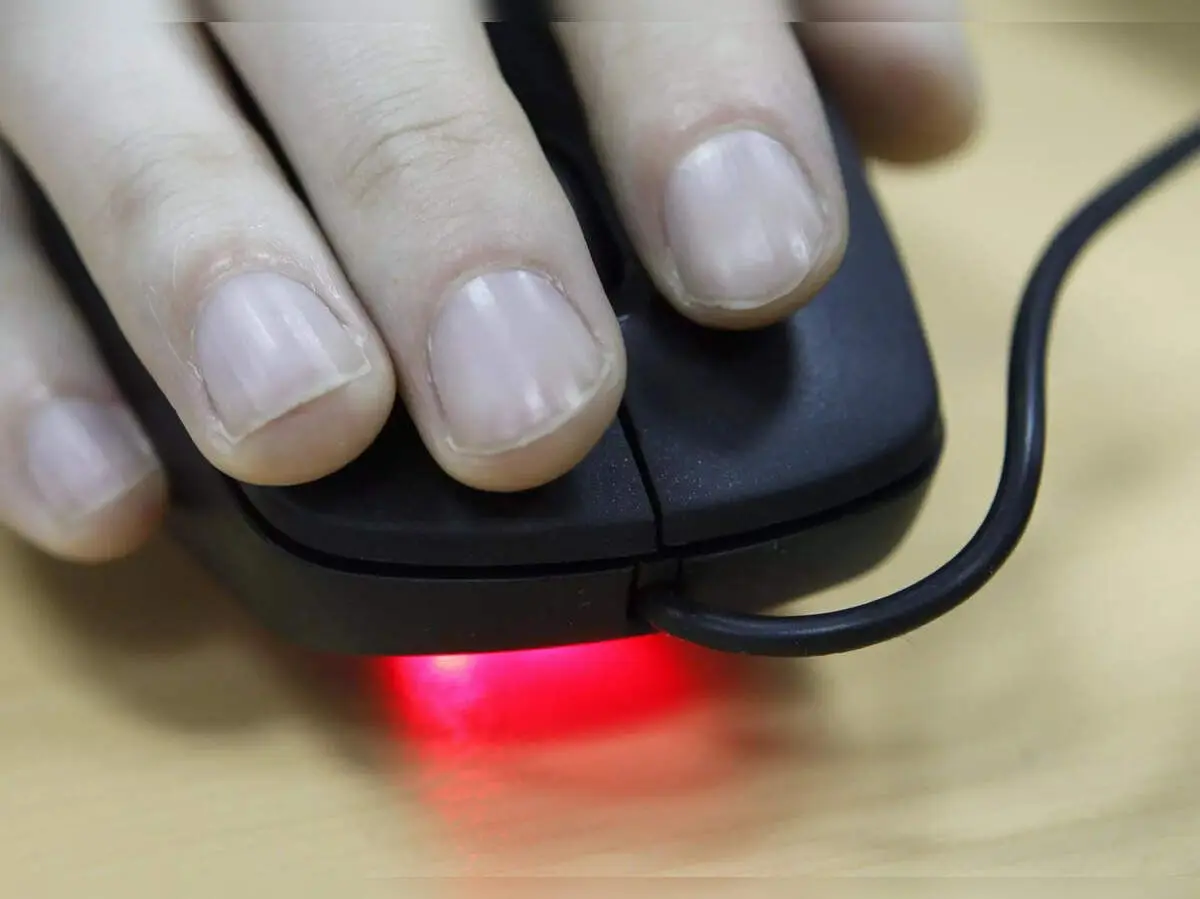
The Model Capability Initiative was designed to capture workers' keystrokes, mouse movements, and screenshots to generate AI training data that would help Meta build more capable AI agents. Mark Zuckerberg defended the program during a leaked company meeting in April, explaining that "watching really smart people do things" would accelerate AI development faster than competitors
3
. The CEO emphasized that Meta chose to monitor its own employees rather than external contractors because "the average intelligence of the people who are at this company is significantly higher than the average set of people that you can get to do tasks"1
.Privacy Concerns and Data Collection Scope
Source: ET
While Meta initially framed the program as collecting basic interaction patterns for training AI agents, internal documents reveal the scope extends far beyond simple mouse clicks. The system reportedly captures activity across more than 200 apps and websites, including email contents, browsing history, code changes, and clipboard actions
5
. One particularly concerning aspect involves international data flows: when US-based employees communicate with colleagues overseas, those conversations are captured even though the overseas workers haven't consented to monitoring5
.Employee privacy concerns intensified as workers discovered practical impacts of the monitoring software. Remote employees reported severe battery drain on their devices and dramatic increases in home internet usage, with some claiming the tool consumed an entire month's bandwidth allowance within days
4
5
. In response, Kasriel's memo acknowledged these complaints and promised "several optimizations" to reduce battery impact4
.Limited Exemptions and Continued Monitoring
Despite Meta scales back plan, the vast majority of employees will remain subject to tracking employee computer activity. The company will grant exemptions only to remote workers with bandwidth concerns, those handling sensitive material, and employees who frequently work in locations without reliable power sources
3
. Workers can pause monitoring when they need to "check something personal," but these breaks are capped at 30 minutes3
.
Source: Reuters
The internal memo stated: "While we remain confident in the privacy safeguards we put in place at launch, which went through several layers of risk review, we have heard your concerns about personal data on work devices, battery life, and wanting more control over when capturing happens"
2
4
. Zuckerberg insisted the data would not be used for employee surveillance or performance tracking, though he did not commit to anonymizing the information1
.Related Stories

Regulatory Scrutiny and GDPR Implications
The program's scope raises questions about compliance with international privacy regulations, particularly GDPR in Europe. Kleanthi Sardeli, a legal expert at privacy group NOYB, told Reuters that repurposing employment communication data for AI model training represents an incompatible use under GDPR: "This data was originally collected for the purpose of work communication and fulfilling an employment contract. Taking an employee's chat and ingesting it into an AI model is incompatible with that initial purpose"
5
. Meta has informed Ireland's Data Protection Commission that collecting EU employee data is not the primary objective, though details on handling incidental data collection remain unclear5
.The timing of this initiative compounds employee frustration, as Meta laid off approximately 8,000 workers in April and has cut around 2,000 positions total this year
4
3
. One former employee described the tracking tool as "just the latest way they're shoving AI down everyone's throat," while a current worker called the experience of having their actions train AI models "very dystopian"4
. Zuckerberg hinted at expansion, noting that if the program succeeds, "we'll probably do more things like it" in the future3
.References
Summarized by

Navi
[1]
[3]
Related Stories
Meta halts employee tracking program after internal data leak exposes sensitive information
23 Jun 2026•Technology

Meta's Employee Surveillance Program for AI Development Triggers Internal Revolt and Unionization Push
08 May 2026•Technology
Meta to Monitor Employee Keystrokes and Mouse Movements to Train AI Agents
21 Apr 2026•Technology
Recent Highlights



Recent Highlights
Today's Top Stories







Don’t drown in AI news. We cut through the noise - filtering, ranking and summarizing the most important AI news, breakthroughs and research daily. Follow topics that matter to you and stay ahead.


