Meta's New AI Chatbot Raises Privacy Concerns and Data Harvesting Fears


3 Sources
[1]
Meta's new AI chatbot is yet another tool for harvesting data to potentially sell you stuff
Last week, Meta - the parent company of Facebook, Instagram, Threads and WhatsApp - unveiled a new "personal artificial intelligence (AI)". Powered by the Llama 4 language model, Meta AI is designed to assist, chat and engage in natural conversation. With its polished interface and fluid
[2]
Meta's new AI chatbot is yet another tool for harvesting data to potentially sell you stuff
Last week, Meta -- the parent company of Facebook, Instagram, Threads and WhatsApp -- unveiled a new "personal artificial intelligence (AI)." Powered by the Llama 4 language model, Meta AI is designed to assist, chat and engage in natural conversation. With its polished interface and fluid
[3]
Meta AI 'personalized' chatbot revives privacy fears
Meta AI said it didn't have access to my Facebook account or to any pictures or visual content when I asked about its access. And when I tested it by asking about a few recent posts, it seemed to not know what I was talking about, though when I asked if it had access to my Instagram page it got a
Share
Copy Link
Meta's launch of a new AI chatbot, powered by Llama 4, sparks debate over data privacy and potential misuse of personal information for targeted advertising.

Meta Unveils New AI Chatbot
Meta, the parent company of Facebook, Instagram, Threads, and WhatsApp, has introduced a new "personal artificial intelligence" called Meta AI. Powered by the Llama 4 language model, this chatbot is designed to assist users, engage in natural conversations, and provide a polished interface for fluid interactions
1
2
.Privacy Concerns and Data Harvesting
While Meta AI might appear to be just another digital assistant, critics argue that it serves as a sophisticated data harvesting tool. The company's slogan, "Meta AI is built to get to know you," has raised eyebrows among privacy advocates
1
2
. Unlike competitors such as Anthropic's Claude, which operates on a subscription model prioritizing user privacy, Meta's business model revolves around collecting and monetizing personal data1
.Data Retention and User Control
Investigations have revealed that Meta AI, by default, retains a copy of all interactions. Washington Post columnist Geoffrey A. Fowler found that deleting the app's memory required significant effort
1
2
. Meta has responded by stating that the app provides "transparency and control" throughout, similar to their other applications1
2
.Potential for Targeted Advertising
The integration of Meta AI with the company's ecosystem of apps raises concerns about the depth and nature of information users might reveal in conversations. This data could potentially be used for highly targeted advertising across Meta's platforms
1
2
. For instance, a user discussing job interview anxiety with Meta AI might soon see their Instagram feed filled with ads for anxiety medications and self-help books1
2
.Manipulation and Ethical Concerns
Critics worry that Meta AI could become an active participant in manipulation, blurring the line between a helpful assistant and a corporate salesperson. The chatbot's ability to make product recommendations without clear disclosure of sponsored content presents a new frontier in advertising
1
2
. Additionally, reports of Meta allowing its AI to engage in explicit romantic role-play, even with users claiming to be underage, have sparked internal concerns about ethical boundaries1
2
.Related Stories

Broader Implications
The potential for harm extends beyond individual consumers. There are concerns that Meta AI could be used to shape public discourse or push political content through algorithmic amplification
1
2
. With AI safety regulations being scaled back in the United States, the risk of chatbot-driven manipulation is heightened1
.Meta's Response and User Awareness
Meta has stated that they provide transparency and control throughout the AI experience, allowing users to manage their interactions
3
. However, users should be aware that the company retains information from conversations and could potentially use it for targeted advertising in the future3
. While ads are not currently part of the platform, Meta CEO Mark Zuckerberg has indicated significant revenue potential in AI3
.The Cost of "Free" AI Services
As AI becomes increasingly integrated into daily life, the choices companies make about business models and data practices have profound implications. Meta's decision to offer a free AI chatbot while reportedly lowering safety guardrails has been criticized as setting a low ethical standard
1
2
. Users are urged to consider the true cost of this "free" service before adopting Meta AI as their digital confidant1
2
.References
Summarized by

Navi
[1]
[2]
[3]
Related Stories
Meta AI App's Privacy Concerns: Users Unknowingly Sharing Personal Information
13 Jun 2025•Technology

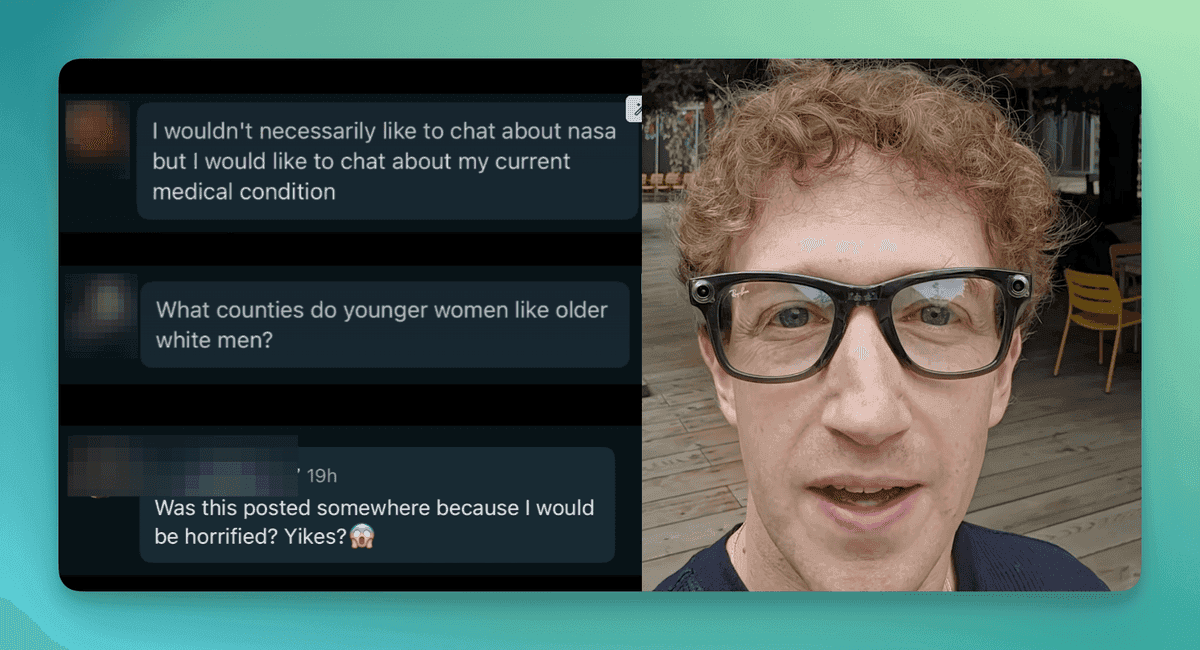
Meta's AI Chatbot Sparks Privacy Concerns with Public 'Discover' Feed
18 Jun 2025•Technology
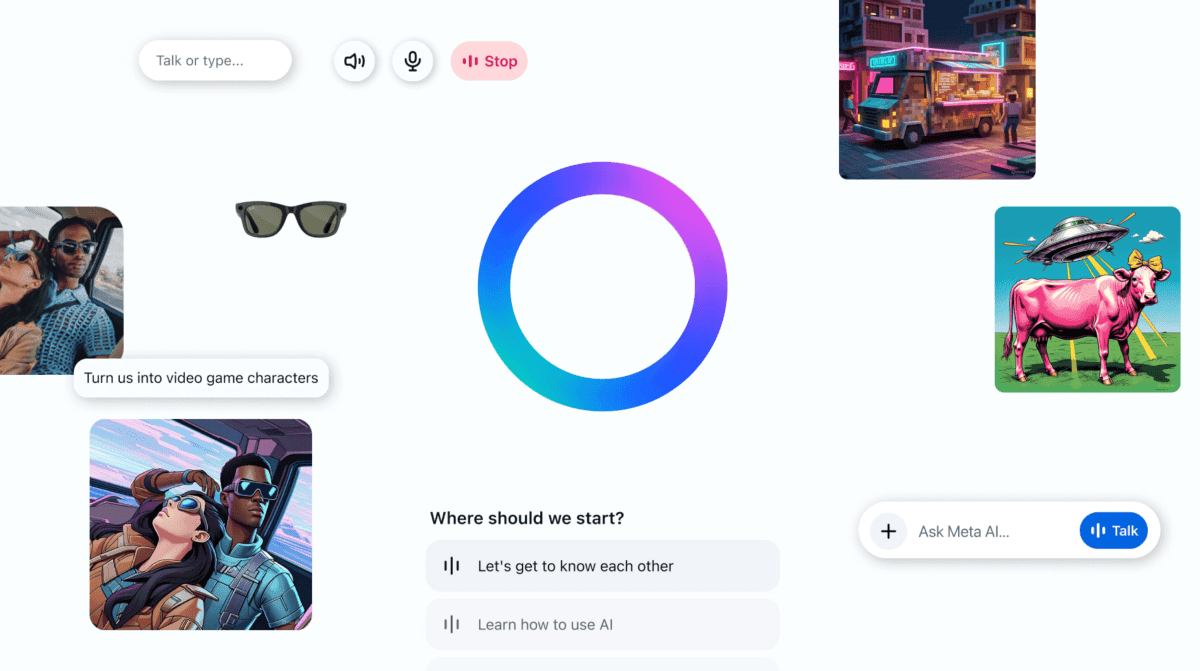
Meta Launches Standalone AI App with Social Media Integration and Smart Glasses Compatibility
30 Apr 2025•Technology
Recent Highlights



Recent Highlights
Today's Top Stories






Don’t drown in AI news. We cut through the noise - filtering, ranking and summarizing the most important AI news, breakthroughs and research daily. Follow topics that matter to you and stay ahead.


