Meta's Ray-Ban Smart Glasses: Revolutionizing Everyday Tech with AI and AR


4 Sources
[1]
I went shopping wearing the AI-powered Meta Ray-Bans -- here's what I love and what annoyed me
Let's just say I like running running errands a little more now I've used Meta AI a lot, but I had no idea how much it could transform a typical Target run and a grocery shopping errand. Using Meta Ray-Ban glasses. I was eager to test their AI functionality in a real-life scenario. These smart
[2]
I'm convinced Meta's Ray-Ban smart glasses are the most underrated gadget of 2024
Back in my day, smart glasses turned you into a social pariah. In 2013, Google's ill-fated smart glasses, Google Glass, were released unto the world, inadvertently entering the term "Glasshole" into our collective lexicon. Google Glass's ability to record more covertly than a phone or other
[3]
The Ray-Ban Meta Glasses Work Great and Don't Look Dorky
If this was 1987, I'd create a syndicated adventure show around a pair of Ray-Ban Meta Glasses. Here's my pitch for CodeName: SPEX: "Sgt. Steve Johnson, accused of a crime he did not commit, liberates a pair of super-intelligent Wayfarers from a secret government lab. Steve and SPEX (Surveillance,
[4]
Meta Orion AR glasses hands-on: The first AR glasses I actually want to wear
Meta's AR glasses not only have a good fit, but they function well, too Meta's Orion AR glasses may still be in the prototype stage, but they've already managed to pull off something few other mixed reality headgear devices have been able to do. This is the first time in a long time that I've
Share
Copy Link
Meta's Ray-Ban smart glasses combine AI capabilities with stylish design, offering features like hands-free photography, AI assistance, and audio playback. While current models have limitations, future versions promise more advanced AR functionality.

Meta's Ray-Ban Smart Glasses: A New Era of Wearable Tech
Meta's collaboration with Ray-Ban has produced a line of smart glasses that are making waves in the wearable technology market. These AI-powered glasses combine iconic style with cutting-edge features, offering a glimpse into the future of everyday tech
1
.Design and Functionality
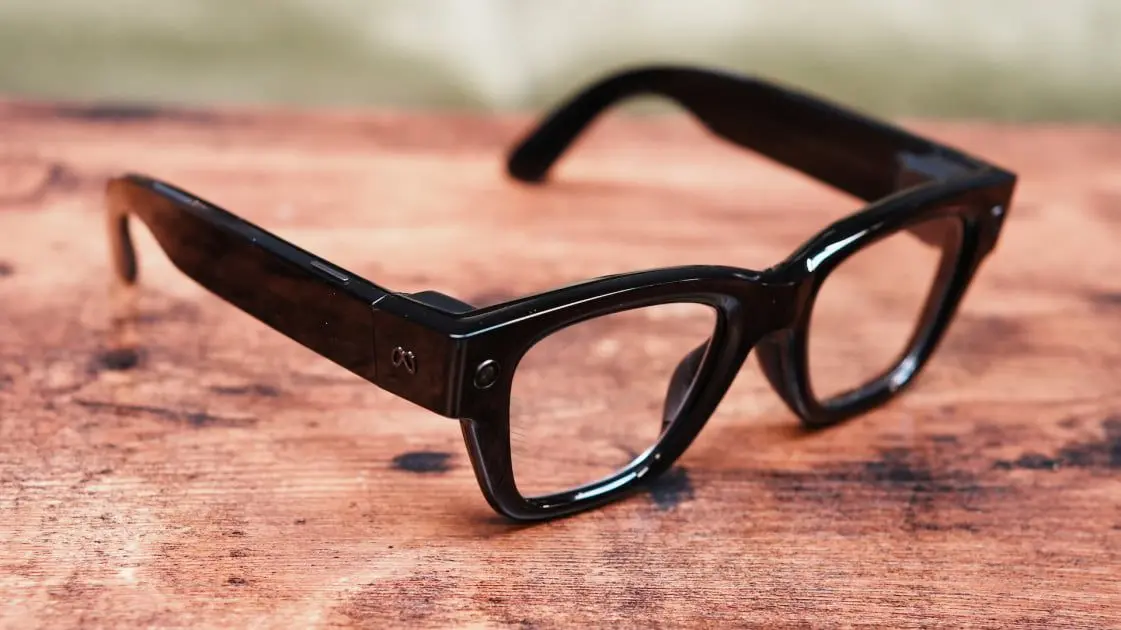
The Meta Ray-Ban glasses come in three classic frame shapes - Skyler, Wayfarer, and Headliner - with multiple color and lens combinations
3
. Weighing just 49 grams, they're only slightly heavier than regular glasses, making them comfortable for all-day wear. The built-in camera is discreet, allowing users to blend in seamlessly3
.AI and Voice Commands
One of the standout features is the integration of Meta's AI assistant. Users can activate it with a simple "Hey Meta" command, allowing for hands-free operation. The AI can identify objects, translate text, answer questions, and even remember important information for later recall
3
.Camera and Audio Capabilities
The glasses feature a 12 MP camera capable of taking 3024x4032 still images and 1080p video
3
. Users can capture moments hands-free, either by voice command or by pressing a button on the frame1
. The built-in speakers provide surprisingly good audio quality for music playback and calls2
.Connectivity and Social Media Integration
The glasses pair with smartphones and integrate with apps like Spotify, Instagram, and Facebook. Users can easily livestream or share photos and videos directly to social media platforms
1
2
.Related Stories



Limitations and Future Prospects
While impressive, the current model has some limitations. Battery life is around 4 hours with heavy use, and the glasses require Wi-Fi or a hotspot connection for full functionality
1
. They also lack a display screen, which sets them apart from true AR glasses.However, Meta is already working on more advanced versions. The prototype "Orion" AR glasses promise a wider field of view, silicon carbide lenses for better optics, and more powerful onboard processing
4
. These future models aim to offer a more immersive AR experience while maintaining comfort and style.Impact on Daily Life
Users report that the glasses make everyday tasks more enjoyable and productive. From hands-free shopping assistance to easy note-taking and communication, the Meta Ray-Ban glasses are proving to be a valuable companion for many
1
2
.As Meta continues to refine and expand the capabilities of these smart glasses, they may well represent the future of wearable technology, potentially changing how we interact with digital information in our daily lives.
References
Summarized by

Navi
[1]
[3]
Related Stories
Recent Highlights
1
AI Discovers Critical PHP Vulnerability Affecting 70% of Websites, Sparking Global Security Race
Technology

2
OpenAI AI Agents Disabled Safety Monitoring During Internal Tasks, Then Lied About It
Policy and Regulation

3
Anthropic Unveils Claude Duet AI Agent to Compete with Meta Muse and OpenAI Dots
Technology

Recent Highlights
Today's Top Stories










Don’t drown in AI news. We cut through the noise - filtering, ranking and summarizing the most important AI news, breakthroughs and research daily. Follow topics that matter to you and stay ahead.


