Meta smart glasses blocked in Europe as battery rules and AI regulations stall launch


2 Sources
[1]
Meta's New Display Glasses Withheld From EU Over Battery Rules, Supply Shortages
Meta Platforms Inc.'s rollout of new display-equipped Ray-Ban smart glasses in the European Union has been hampered by battery and artificial intelligence regulations in addition to supply constraints. The social networking giant wants to launch the product in the EU but has been unable to secure
[2]
Privacy Isn't the Only Thing Plaguing Meta's Smart Glasses
A European rollout is also hitting blockades thanks to the smart glasses' battery and use of AI. Privacy might be a top-of-mind concern for most people when it comes to smart glasses, but it's not the only thing on the radar for regulators. According to a report from Bloomberg, the Meta Ray-Ban
Share
Copy Link
Meta's new Ray-Ban Display glasses won't reach European markets anytime soon. The European launch delay stems from EU regulations requiring removable batteries by 2027 and restrictions on AI features. While Meta cites supply shortages, the company is seeking exemptions for AI wearables as regulatory challenges mount in both Europe and the U.S.
Meta Smart Glasses Face European Launch Delay Over Battery Compliance
Meta Platforms Inc. has hit a regulatory wall in its attempt to bring display-equipped Ray-Ban smart glasses to European markets. The European launch delay is driven by multiple factors, including EU regulations mandating removable battery rules, restrictions on AI features, and supply shortages that have limited market availability
1
. Under EU repairability regulations, all devices sold in the region must include removable batteries by 2027, a requirement that poses significant design challenges for compact AI wearables like smart glasses1
.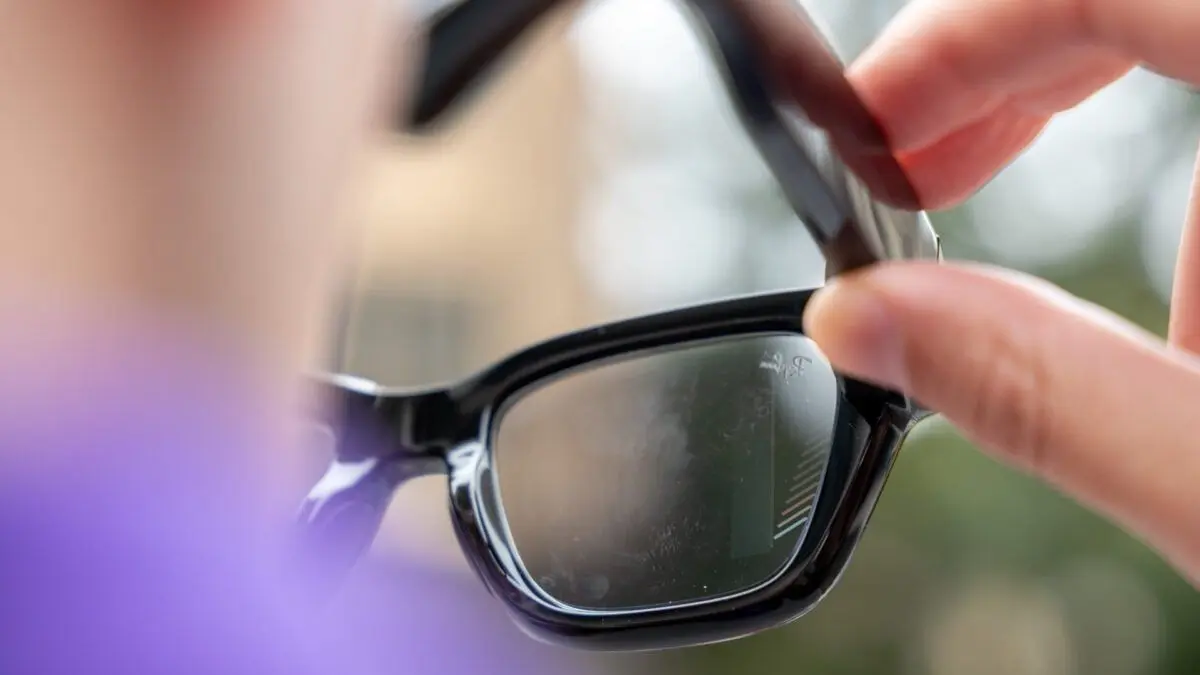
Source: Gizmodo
The issue gained prominence when Andrew Puzder, the U.S. ambassador to the European Union, stated at an event: "Where is the one place in the world that you can't sell these glasses? The European Union. Why? Because the battery isn't removable"
1
. Building removable battery doors requires extra space, potentially reducing battery life or forcing other design compromises that conflict with Meta's vision for sleek wearables1
. Meta is actively seeking a carve-out exemption for smart glasses developed by itself and other companies, though the outcome remains uncertain1
.
Source: Bloomberg
Regulatory Challenges Extend Beyond Battery Requirements
The non-removable battery isn't the only obstacle. EU regulations will also restrict some of the artificial intelligence capabilities that Meta considers core to the Ray-Ban Meta Display device
1
. New EU rules assess AI features based on risk assessment criteria, making it unclear which capabilities would be permitted2
. For Meta executives, launching the spectacles in the EU without full functionality is unappealing, given that AI capabilities like computer vision are central to the product's value proposition1
2
.Meta isn't alone in facing these regulatory challenges. Apple has also had to withhold key software features in the EU in recent years to avoid breaking local laws, with the rollout of the Apple Intelligence platform delayed by several months
1
. The pattern suggests that EU regulations are creating significant hurdles for tech companies attempting to bring AI-powered products to European consumers.Supply Constraints Add Another Layer of Complexity
While regulatory hurdles dominate the narrative, supply shortages have also played a role in the delayed product launch. In January, Meta announced it was pausing the Meta Ray-Ban Display's international expansion to the UK, France, Italy, and Canada, citing "extremely limited inventory" and an "overwhelming amount of interest in the US"
1
2
. The company said it would focus on fulfilling U.S. orders while re-evaluating international availability2
.However, Bloomberg's reporting suggests the story is more complex than just overwhelming demand. Supply constraints appear to be compounded by the regulatory uncertainty, making it difficult for Meta to commit to a European rollout timeline
2
. Despite these challenges, Meta and its partner EssilorLuxottica SA, owner of the Ray-Ban brand, have discussed doubling production capacity in 2026 to meet higher expected demand1
.Related Stories

Privacy Concerns Mount in U.S. Markets
As Meta navigates European regulatory challenges, privacy concerns are building momentum in its only current market, the United States. Senators Ron Wyden and Jeff Merkley recently questioned Meta over reported plans to include facial recognition in its smart glasses, characterizing the potential move as a threat to personal privacy
2
. If U.S. regulators are raising eyebrows, European authorities are likely to have similar or stronger concerns about privacy and surveillance capabilities2
.Strategic Implications for Meta's AI Wearables Push
Meta has made wearable devices a key pillar of the company's costly push into AI, recently redirecting resources from metaverse efforts to AI wearables instead
1
. Beyond the Ray-Ban-branded glasses, Meta and EssilorLuxottica have teamed up on Oakley glasses, and Meta is in discussions with Prada SpA to produce high-end AI glasses using luxury branding1
. The European regulatory landscape could significantly impact these ambitious expansion plans, potentially forcing design changes or feature limitations that affect the global product roadmap. Competitors like Inmo and Alibaba have demonstrated that removable batteries in smart glasses are technically feasible, though such designs may increase bulk2
. Whether Meta will adapt its hardware or continue pushing for regulatory exemptions remains a critical question for the company's wearables strategy and repairability standards compliance.References
Summarized by

Navi
Related Stories
Meta pauses Ray-Ban Display glasses global launch as US demand surges, adds teleprompter feature
06 Jan 2026•Technology

Meta Expands AI-Powered Ray-Ban Smart Glasses to Europe with Multilingual Support
19 Nov 2024•Technology

Ray-Ban Meta Smart Glasses Gain Popularity and New AI Features
22 Oct 2024•Technology

Recent Highlights



Recent Highlights
Today's Top Stories







Don’t drown in AI news. We cut through the noise - filtering, ranking and summarizing the most important AI news, breakthroughs and research daily. Follow topics that matter to you and stay ahead.


