2 Sources
[1]
Meta says aggressively working to combat child exploitation on apps
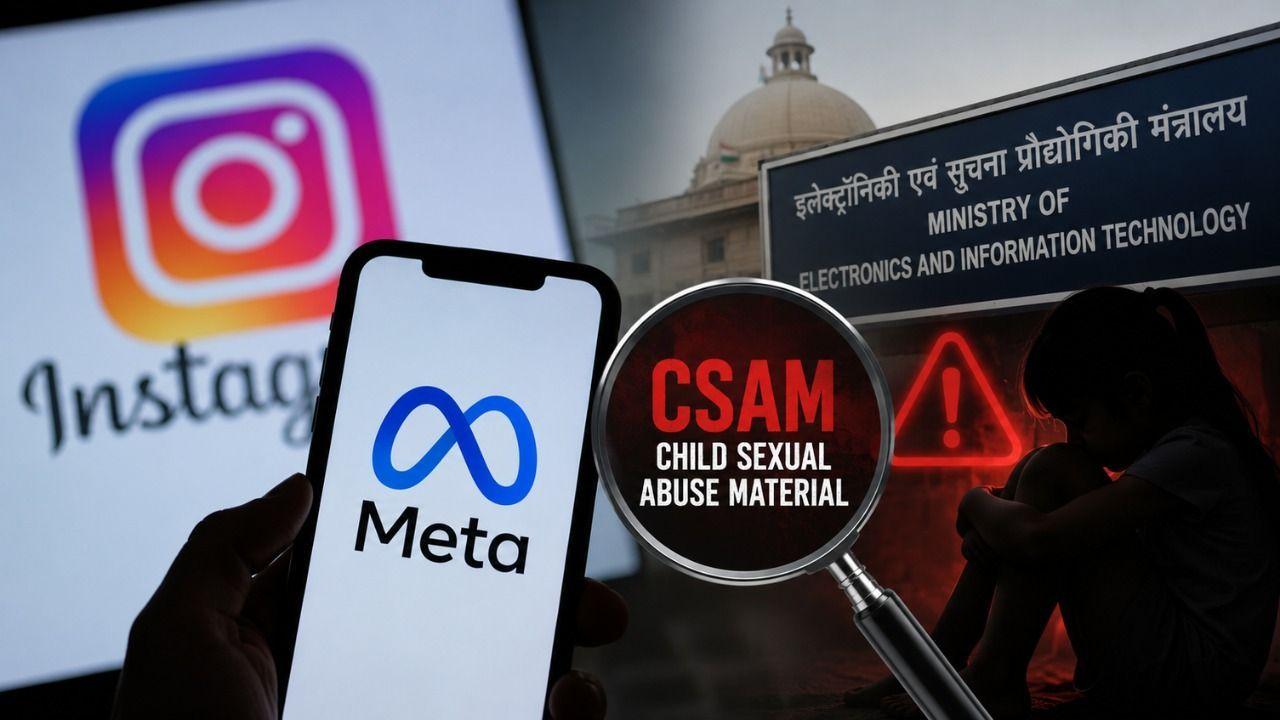
Meta detailed its AI-powered efforts to fight child exploitation across its platforms. The company stated it is investing more resources to protect young users. Newer AI systems now cover most online languages for enforcement. Meta removed millions of suspicious accounts and exploitative content globally. Government sources await Meta's official response to a recent notice. New Delhi: Just days after the government issued it a notice, Meta on Tuesday outlined its efforts to combat child sexual abuse material (CSAM) across its apps, highlighting AI-powered detection and large-scale enforcement actions, as the social media giant promised to continue investment in technology and resources to keep young people safe and strengthen its ad review processes. In a blog published Tuesday, the company termed child exploitation as a "horrific crime" and asserted that it works aggressively every day to fight this kind of abuse on and off its platforms. Also read: Meta rejects claims it 'deliberately targeted' Instagram ads featuring child sexual abuse material in India after govt notice "This work is ongoing. Our teams are constantly improving our defences -- developing new technology, blocking violating links, and sharing intelligence across the industry -- but we know there is more to do. We will continue investing in every resource needed to keep young people safe, strengthen our ad review processes, and work with law enforcement to hold criminals accountable," Meta said. Meta detailed the company's ongoing efforts to combat child exploitation across its apps, highlighting AI-powered detection and large-scale enforcement action. "We're aware of recent news reports about Instagram ads in India that violated our policies against child exploitation. And we want to be clear: we take these concerns seriously, we never want this content on our platforms, and we're committed to improving our efforts to combat it," it noted. Meta said it was categorically inaccurate to suggest that it deliberately targets ads featuring children to people based on an inappropriate interest. "Quite the opposite; we use technology to identify accounts that have shown potentially suspicious activity related to children, and we automatically removed over four million of these accounts last year," Meta said. Meta said it has strengthened AI-powered enforcement against child exploitation, with newer systems covering languages spoken by 98 per cent people online. Last year, it removed over four million suspicious accounts and 36 million pieces of child exploitation content globally. In India, AI tools helped remove 1,60,000 accounts in the past six months for posting suspicious links linked to exploitative activity. It further said before the cases were brought to its attention, its enforcement systems had already identified and disabled several of the violating ads, and the accounts behind them. "Our subsequent investigation led to additional action, including removing further ads, disabling accounts, and blocking URLs linked to policy-violating content," it pointed out. The Menlo Park, California-headquartered tech giant Meta owns popular social media platforms Facebook, Instagram and WhatsApp. "We have advanced AI detection tools set up to identify when individuals post suspicious off-platform links in coordination with other signals indicating child exploitative activity. In the last six months alone, this led to the removal of 1,60,000 accounts in India," Meta said. Meanwhile, government sources told PTI that Meta's official response to Saturday's notice is awaited. The government's focus will be on the corrective measures and actions taken by the company to address the concerns, they said. Last week, the government issued a stern notice to Meta on Child Sexual Exploitative and Abuse Material (CSEAM) in paid advertisements on Instagram. MeitY (Ministry of Electronics and Information Technology) ordered Instagram to disable all ads and content promoting and facilitating access to CSEAM, and has also demanded a detailed explanation within seven days. The action came after IT Minister Ashwini Vaishnaw directed MeitY officials to summon Meta over Instagram ads allegedly promoting child sexual abuse material. Regulatory scrutiny from the ministry came amid a BBC report that alleged Meta's recommendation algorithm had been promoting videos containing child sexual abuse material, exposing serious gaps in safeguards. The BBC investigation had also allegedly found advertisements of this nature appearing on Facebook and Instagram, despite Meta's advertising policies explicitly prohibiting nudity and sexually explicit content. Instagram is alleged to have shown paid advertisements with terms like 'rape video' and 'child video', which directed users to Telegram channels where such content was reportedly on sale. In Tuesday's blog post, Meta said its advertising review process combines automated systems with human reviewers to detect and remove policy-violating ads, while acknowledging that no system can catch every violation. Ads are screened before they run and remain subject to continuous review and re-review, with users also able to report suspected violations, according to the company. Meta said it monitors advertiser behaviour in addition to individual ads, and may reject ads or restrict advertiser business accounts, ad accounts, pages and user accounts found violating its policies. The social media firm pointed out that it continues to strengthen its ad review systems and enforcement to keep bad actors off its platforms and better protect users. "We're committed to keeping bad actors off our platforms and are constantly evolving our systems to stay ahead of them. Protecting people who use our platforms remains at the centre of how we build and enforce our advertising standards," it said. Highlighting its zero-tolerance approach on the issue, Meta said it has detailed and robust policies against child nudity, abuse and exploitation, which include sharing or soliciting of child exploitation imagery, inappropriate interactions with teens, and the sexualisation of minors. "As noted in our Ad Standards, all ads must comply with our Community Standards on Child Sexual Exploitation, Abuse, and Nudity. Ads must not contain content that sexually exploits or endangers children," it said. Meta said it reports apparent child exploitation cases to law enforcement through the National Center for Missing and Exploited Children (NCMEC), publishes global and India-specific transparency reports, and has appointed statutory compliance officers (Chief Compliance Officer, Grievance Officer, and Nodal Contact Person) under India's IT Rules. The company said it works with the industry and law enforcement to combat online child exploitation beyond its own platforms. It highlighted the ways in which it supports industry-wide efforts, and spoke about its founding membership of the tech coalition's Lantern programme for cross-platform intelligence sharing on predatory accounts, and efforts to block links to third-party websites hosting abusive content.
[2]
Meta breaks silence on Instagram child safety row, says offending ads and accounts have been removed
The company also explained how its advertising review works. Meta has finally responded following the government's intervention and multiple reports alleging that Instagram ads in India violated child safety policies. The company said it has already removed several offending ads and advertiser accounts while expanding its investigation into the matter. In a statement, the company said some ads and accounts linked to reported content had already been detected and disabled by its automated systems before the reports surfaced publicly. After reviewing the issue, Meta also stated that the removed additional advertisements, disabled more accounts and blocked external websites linked to policy violating material. The company also denied that its advertising systems intentionally targeted users based on inappropriate interests involving children. Meta also stated that it identifies the suspicious accounts and removed more than 4 million accounts globally last year that displayed potentially concerning behaviour related to children. Also read: Meta launches Muse Image AI with advanced editing, web search and Instagram integration: How it works In a press release, the company also explained how its advertising review works. The brand said every ad goes through automated screening before it is published, followed by continuous monitoring even after it goes live. It evaluates images, videos, text and advertiser behaviour. If violations are detected, Meta can reject advertisements, suspend advertiser assets or permanently restrict business accounts from running ads across its platforms. Also read: Perplexity working on an AI coding tool to compete with Claude Code: Report The company also stated that it has a zero tolerance policy against child sexual exploitation, abuse and nudity. According to the company, it removed 36 million pieces of child exploitation content globally last year. In India alone, its AI-powered detection systems helped remove 160,000 accounts in the past six months after identifying suspicious links and activity connected to child exploitation. The company said it continues to report suspected child exploitation cases to law enforcement through the National Center for Missing & Exploited Children (NCMEC). In India, these reports are routed to the National Cyber Crime Reporting Portal in accordance with the POCSO Act and the Information Technology Rules, 2021.
Share
Copy Link
Meta detailed its AI-powered enforcement against child exploitation across Instagram, Facebook, and WhatsApp following a government notice. The company removed over 4 million suspicious accounts globally and 36 million pieces of exploitative content last year. In India alone, AI tools helped remove 160,000 accounts in six months, though regulatory scrutiny intensifies over alleged policy violations.
Meta has broken its silence following regulatory scrutiny from India's Ministry of Electronics and Information Technology (MeitY) over allegations that Instagram ads violated child safety policies. The social media giant published a detailed response outlining its AI-powered initiatives to combat child sexual abuse material (CSAM) across Facebook, Instagram, and WhatsApp
1
. The company categorically denied deliberately targeting paid advertisements featuring children to users based on inappropriate interests, calling such suggestions "categorically inaccurate"1
.
Source: ET
The government notice came after a BBC investigation alleged that Meta's recommendation algorithm promoted videos containing child sexual abuse material, with terms like 'rape video' and 'child video' appearing in advertisements that directed users to Telegram channels
1
. MeitY ordered Instagram to disable all ads and content promoting access to exploitative content and demanded a detailed explanation within seven days1
.Meta revealed that its AI-powered systems now cover languages spoken by 98 per cent of people online, representing a significant expansion in enforcement capabilities. Last year, the company removed over 4 million suspicious accounts and 36 million pieces of child exploitation content globally
1
. In India specifically, advanced AI detection tools helped remove 160,000 accounts in the past six months after identifying suspicious links and activity connected to exploitative behavior2
.The company emphasized that before the cases were brought to its attention, its enforcement systems had already identified and disabled several of the violating ads and the accounts behind them
1
. Following the investigation, Meta took additional action including removing further ads, disabling accounts, and blocking URLs linked to policy-violating content2
.Meta detailed its ad review process, which combines automated systems with human reviewers to detect violations. Every advertisement goes through automated screening before publication, followed by continuous monitoring even after it goes live
2
. The system evaluates images, videos, text, and advertiser behavior. When violations are detected, Meta can reject advertisements, suspend advertiser assets, or permanently restrict business accounts from running ads across its platforms2
.
Source: Digit
The Menlo Park, California-headquartered company uses technology to identify accounts that have shown potentially suspicious activity related to children, automatically removing accounts that display concerning behavior
1
. Meta maintains a zero-tolerance stance on child exploitation, stating it works aggressively every day to fight this kind of abuse on and off its platforms2
.Related Stories
Meta continues to report suspected child exploitation cases to law enforcement through the National Center for Missing & Exploited Children (NCMEC). In India, these reports are routed to the National Cyber Crime Reporting Portal in accordance with the POCSO Act and the Information Technology Rules, 2021
2
. The company acknowledged that while its teams are constantly improving defenses by developing new technology, blocking violating links, and sharing intelligence across the industry, there is more work to do1
.Government sources indicated that Meta's official response to the notice is awaited, with focus on the corrective measures and actions taken by the company to address the concerns
1
. Meta committed to continue investing in every resource needed to keep young people safe, strengthen its ad review processes, and work with law enforcement to hold criminals accountable1
. The company's ability to balance platform growth with effective content moderation will remain under close watch as regulators worldwide demand greater accountability for protecting children online.Summarized by
Navi
24 Jul 2025•Technology

12 Jun 2025•Technology

05 May 2026•Technology

1
Technology

2
Policy and Regulation

3
Technology