FCC Robot Ban Sweeps Up Robot Vacuums, Blocking Major Brands From US Market


6 Sources
[1]
FCC Rule Banning Foreign Robots Could Sweep Up New Home Robot Vacuums - CNET
On Sunday, the Federal Communications Commission issued an important update clarifying how its national security restrictions on equipment from certain foreign companies apply to robots. The update may be broader than it first seemed. In addition to humanoid robots that walk and dance, the language
[2]
The ban on robot vacuums won't make them safer. But it may make your next one worse
No other gadget knows as much about your home as a robot vacuum. They map your space, learn your routines, and many now carry a camera and microphone into every room in your house. As AI gives them a better understanding of what they see, the privacy and security risks these autonomous robots pose
[3]
Foreign-made robot vacuums caught up in FCC robot ban -- covers any ground robot over 4.4 pounds with a 200 kbps connection
Chinese civilian drone exports to the US fell 60% to 70% year over year after DJI's listing. New FCC legislation against foreign-made advanced robotic devices may have inadvertently introduced a ban on non-U.S. robot vacuums from being imported into the United States, according to The Verge. The
[4]
The FCC bans all robot vacuums made outside the U.S.
The U.S. Federal Communications Commission (FCC) has banned all foreign-made mobile robots from the country -- including robot vacuums. This means that people in the U.S. won't be able to get new robot vacuums from brands such as Roborock, Ecovacs, Dreame, and Samsung. On Tuesday, the FCC
[5]

US Is Banning Foreign Robots -- Even Roombas
The restrictions apply only to new models seeking FCC approval. Existing products already approved or purchased are not affected. The U.S. government earlier this week announced an import ban on "advanced robotic devices" from foreign countries, with its sights set specifically on China. But it's
[6]

Espionage, the reason why the U.S. has banned foreign robot vacuums
Only new imports are affected over cameras, maps, and microphones The United States has added to the list of equipment considered a national security risk an especially broad category: "advanced robotic devices" manufactured abroad. The decision extends, to the surprise of many, to household robot
Share
Copy Link
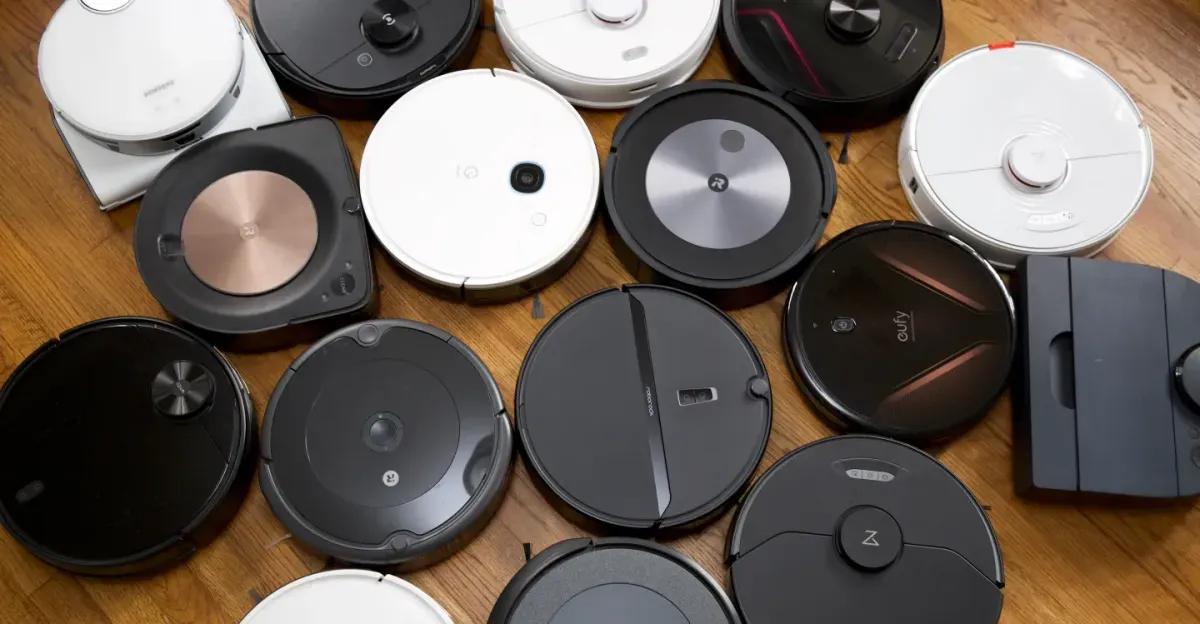
The Federal Communications Commission added foreign-made advanced robotic devices to its Covered List, effectively banning new robot vacuums from major manufacturers like Roborock, Dreame, and Ecovacs. The ban targets devices over 4.4 pounds with autonomous navigation and network connectivity, citing cybersecurity vulnerabilities and supply chain risks tied to foreign production.
FCC Expands National Security Restrictions to Robot Vacuums
The Federal Communications Commission issued a sweeping update to its national security restrictions, adding foreign-made advanced robotic devices to its Covered List
1
. The FCC robot ban extends far beyond humanoid robots and quadrupeds to include household devices like robot vacuums, pool-cleaning robots, and other mobile technology1
. An FCC representative confirmed that robot vacuums fall under the new restrictions, which block these devices from receiving the equipment authorization required for import and sale in the United States1
.
Source: The Verge
The ban targets any mechanical mobile device capable of locomotion, obstacle avoidance, navigation, or movement on the ground that weighs over 4.4 pounds combined with its docking station
3
. Devices must also contain environmental sensors, network connectivity of at least 200 kbps in either direction, and software controlling autonomous navigation or remote command-and-control3
. These specifications describe the core functionality of modern AI-powered robot vacuums, which rely on machine-learning models and firmware updates to map homes and navigate around obstacles.Major Robot Vacuum Brands Face US Market Exit
The import and sale ban threatens to eliminate most robot vacuum options for American consumers. The top five manufacturers—all based in China—held almost 70 percent of the global robot vacuum market share as of 2025
4
. Major brands including Roborock, Ecovacs, Dreame, and Samsung cannot bring new models into the United States under the FCC national security restrictions4
.iRobot, maker of the popular Roomba line, faces an uncertain future despite maintaining its headquarters in the United States. The company filed for bankruptcy last year and was acquired by Chinese robotics company Picea, raising questions about whether future Roomba models will qualify for sale in the US market
1
4
. Shark may be the only major exception, as the company focuses on assembling its robot vacuums domestically1
.Cybersecurity Concerns Drive Ban on Foreign Robots
The ban stems from determinations by a White House-convened interagency group that concluded foreign-produced advanced robotic devices present unacceptable supply chain weaknesses and cybersecurity vulnerabilities
5
. National security agencies warned that internet-connected robots could collect sensitive data, monitor Americans, or be taken over remotely5
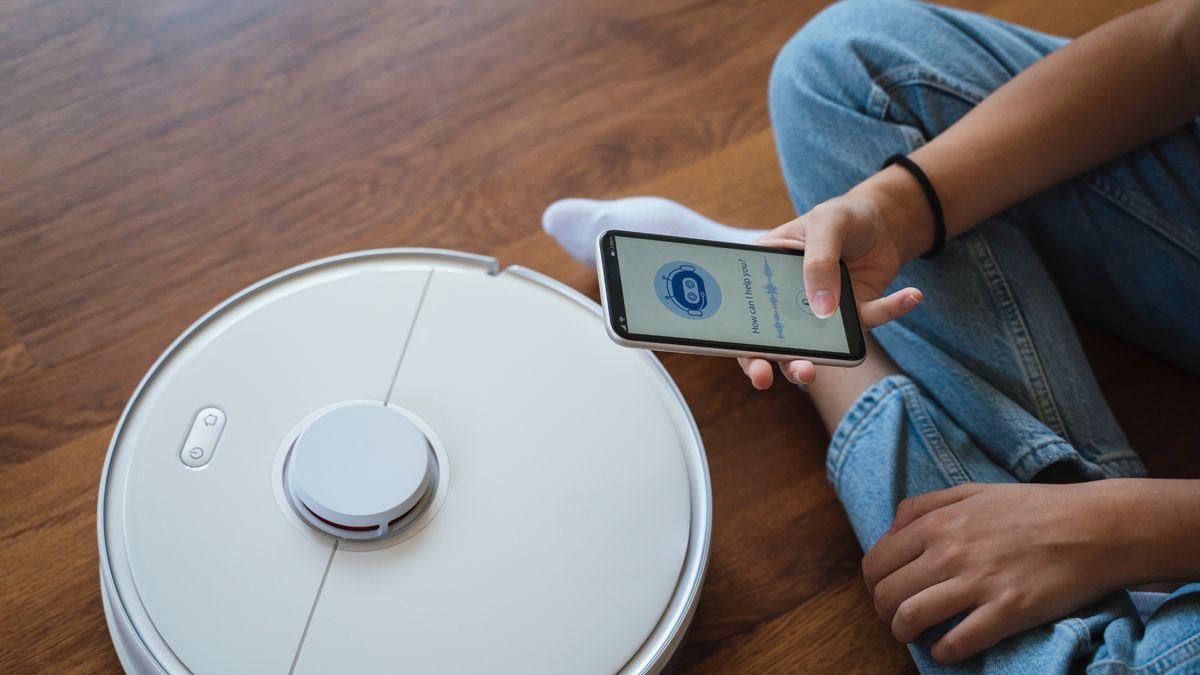
. The National Security Determination specifically referenced an incident where a software engineer hacked his DJI Romo robot vacuum and gained access to video, audio, and map data from thousands of devices worldwide4
.
Source: Tom's Hardware
No other gadget knows as much about your home as a robot vacuum. These devices map your space, learn your routines, and many now carry cameras and microphones into every room
2
. As AI gives them better understanding of what they see, the privacy and security risks these autonomous robots pose continue growing2
. Many of the industry's largest manufacturers—including Dreame, Ecovacs, Roborock, iRobot, and Shark—have suffered security vulnerabilities or data breaches2
.Related Stories

Manufacturing Location Versus Security Standards
The ban on foreign robots judges products by where they're built rather than how secure they are
2
. Cybersecurity and manufacturing are not the same thing. A meaningful security standard for robots would require encrypted map storage, security audits, vulnerability disclosures, and clear data retention policies2
. The government's Cyber Trust Mark program could address these concerns, but it doesn't exist yet and will be entirely voluntary if implemented2
.Under the Buy American Act rule, an item must be manufactured in the United States with domestic components exceeding 65 percent of total component costs through 2028, rising to 75 percent from 2029
3
. Manufacturers can apply to the Department of Defense for Conditional Approval that lifts the restriction, a process that router brands Netgear and Amazon's Eero cleared within weeks of March's router ban3
. The Department of Homeland Security can grant similar exemptions for certain device categories4
.Impact on Consumer Robotics and Innovation
The practical consequences mean Americans will see fewer new models, slower innovation, and higher prices for robot vacuums
2
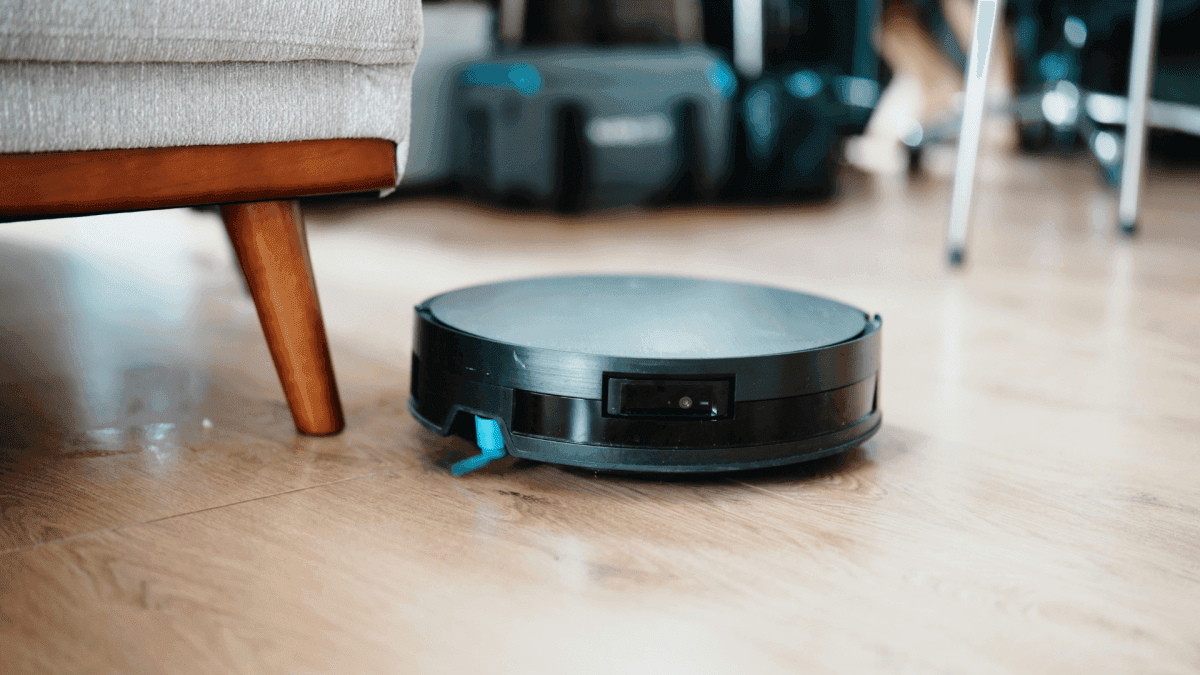
. Previously purchased devices are not affected by the ban, and retailers can continue selling currently approved models1
5
. However, customers may eventually lose access to firmware updates, repairs, or other support if manufacturers choose to leave the US market1
.
Source: Mashable
Chinese manufacturers transformed the robot vacuum industry over the past decade through fierce competition that brought better navigation, improved obstacle avoidance, self-emptying docks, and advanced mopping systems
2
. Restricting the import of new products means US households will miss the next wave of innovations in this fast-moving category2
. Chinese civilian drone exports to the US already fell 60 percent to 70 percent year over year after DJI's listing on the Covered List3
.Matic, the only robot vacuum currently assembled in the United States, relies heavily on imported parts and costs $1,450—far from replacing the $300 robot vacuum available at Walmart
2
. The company's president believes the ban creates conditions for American startups to design, engineer, and build trustworthy robots at scale, noting that consumer robotics supply chains support defense, industrial, and healthcare robots2
. Even in an optimistic scenario, that transition will take years to materialize while consumers face limited options today.References
Summarized by

Navi
[3]
[5]
Related Stories
US Robot Ban Targets Chinese Humanoid Robots, Escalating US-China Trade Tensions
28 Jul 2026•Policy and Regulation

US Bans Chinese Tech in Smart Cars, Impacting AI and Autonomous Driving
15 Jan 2025•Policy and Regulation

China Ships 97% of Global Humanoid Robots as US Struggles to Compete in Physical AI Race
11 Aug 2026•Technology
Recent Highlights



Recent Highlights
Today's Top Stories






Don’t drown in AI news. We cut through the noise - filtering, ranking and summarizing the most important AI news, breakthroughs and research daily. Follow topics that matter to you and stay ahead.


