Michael Burry Accelerates Timeline for AI Bubble Burst, Moves to Leveraged Put Options


3 Sources
[1]
'Big Short' Investor Expects AI Bubble Burst 'Sooner Than Later'
Investor Michael Burry, famous for predicting the 2008 housing market crash, just upped his bet against AI hype. In a post on his Substack, Burry said that he is "moving timelines up," because "the bubble in AI may burst sooner than later." Burry, who was portrayed by Christian Bale in the
[2]
AI bubble to burst sooner than expected? Michael Burry believes it would take only one season of revenue disappointment
Michael Burry has accelerated his bearish outlook on AI stocks, shifting toward leveraged put options and expecting an earlier bubble burst. Citing research that weak AI revenue could trigger spending cuts, Burry compares current conditions with 1987 and the dotcom crash, while warning that
[3]
Michael Burry Sounds Alarm on $1 Trillion AI Spending Using 145-Year-Old Case Study -- Backs META, GOOGL's
"The Big Short" investor Michael Burry is warning against industry spending of about $1 trillion on artificial intelligence, comparing the focus on large language models to a 19th-century bubble. Using an 1880 newspaper case study, Burry argues that tech capital expenditure is misdirected,
Share
Copy Link
Michael Burry, who predicted the 2008 housing market crash, has moved up his timeline for an AI bubble burst. The investor shifted to leveraged put options on Nvidia, Palantir, and Oracle, warning that a single season of revenue disappointment could trigger a market crash.
Michael Burry Accelerates Timeline for AI Bubble Burst
Michael Burry, the investor who famously predicted the 2008 housing market crash and was portrayed in The Big Short, has moved up his expectations for an AI bubble burst. In a recent post on his investment newsletter, Burry stated he is "moving timelines up" because "the bubble in AI may burst sooner than later."
1
The investor has restructured his portfolio to reflect this accelerated outlook, swapping short positions to put options on major AI-linked stocks including Nvidia, Palantir, and Oracle, all expiring within the next year.2
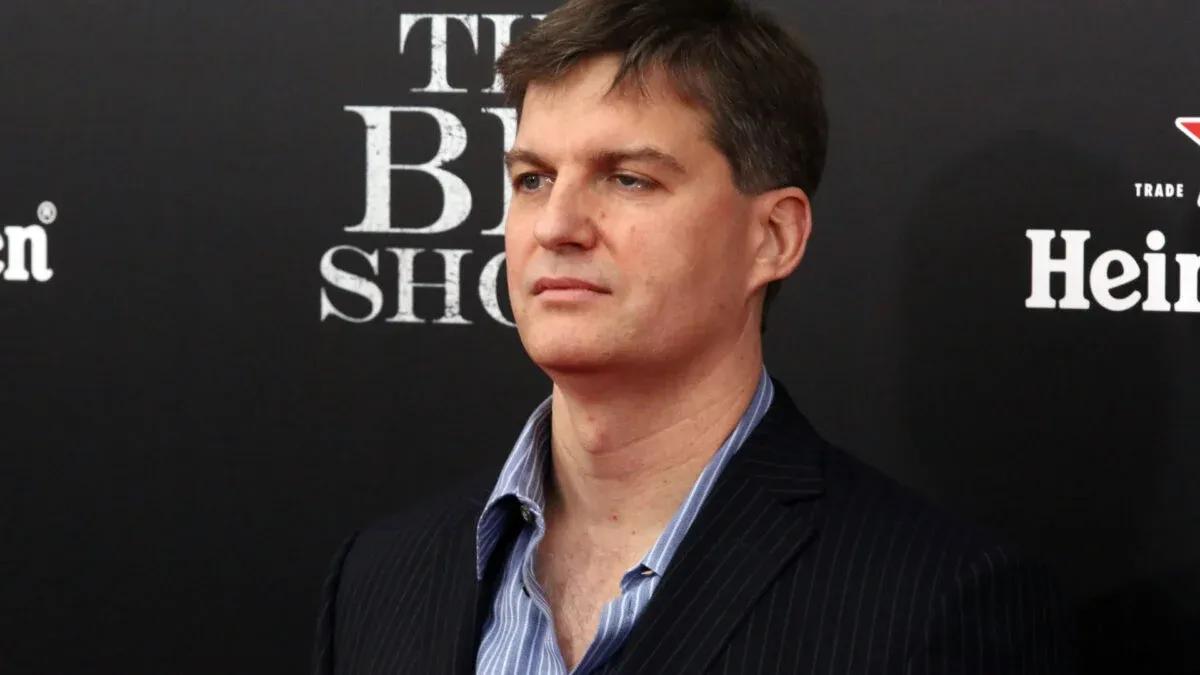
Source: Gizmodo
Single Season of Revenue Disappointment Could Trigger Collapse
Burry's accelerated bearish stance on AI stems from recent research by Ares Management suggesting that just one quarter of disappointing AI revenue could unravel the massive capital expenditures hyperscalers are committing to artificial intelligence infrastructure. "In that scenario, a handful of boards, predisposed to redeploy capital toward the highest-conviction bet, would simply need to conclude that the highest-conviction bet has shifted," the research noted.
2
This represents a significant shift from Burry's previous prediction that an AI market crash would begin around 2028.Circular Dealmaking and Financial Dependencies Create Market Risks
Burry has drawn parallels between current AI investments and the years preceding the dot-com bubble burst of 2000. The investor points to increased tech capital expenditures matching the highs of the tech bubble, and the increasingly circular nature of the AI industry's dealmaking.
1
Nvidia sits at the center of this circular web, having transformed from solely being the main infrastructure provider for the AI industry to becoming one of its biggest financiers. Critics argue this creates a precarious dynamic where billions of dollars move across the system in circular fashion, both skewing demand and concentrating risks.Strained Cash Flow Raises Red Flags for AI Spending
The hefty AI spending commitments have already put visible strain on financial reports from hyperscalers, who are also among Nvidia's top customers. Google reported negative quarterly free cash flow in its latest earnings report, marking the first time in the tech giant's entire history as a public company.
1
The cash flow drop was driven by Google's massive AI spend, raising concerns among critics who worry about AI spending skyrocketing while profitability continues to lag. "If the spending stops or slows, it all comes apart," Burry warned.1
Large Language Models Built Backward, Says Burry
Burry has also criticized the fundamental architecture of current AI investments, warning against industry spending of approximately $1 trillion on artificial intelligence focused primarily on large language models. Using a 145-year-old case study from an 1880 New York Times article about a deaf-mute child who developed complex reasoning before acquiring language, Burry argues that large language models are "built backward" because they attempt to scale language into reason.
3
He characterizes the current market environment as a "parameter trap" defined by supply-side gluttony and massive capital misallocation.
Source: Benzinga
Related Stories

System 2 Reasoning as Alternative to Current AI Hardware Frenzy
Instead of abandoning AI entirely, Burry points toward reasoning-oriented approaches as potential alternatives to scaling conventional language models. He highlights Google's AlphaGeometry and Meta's Coconut as examples of System 2 reasoning architectures that emphasize compression and logic over brute-force text prediction.
3
These approaches combine neural and symbolic reasoning or explore reasoning in continuous latent space rather than relying entirely on natural-language intermediate steps.Leveraged Put Options Signal Conviction in Near-Term Decline
Burry's shift to put options creates more leverage in his positions, allowing him more cost-effective exposure over a shorter time horizon. "Fundamentally, I am moving timelines up. As such, I want more leverage in my short positions. Better timelines make leverage more palatable," Burry wrote.
2
His puts on Nvidia expire next September, despite the company recently announcing an additional $150 billion in share buybacks, which it claims is "the largest repurchase authorization increase in history."1
Nvidia CEO Jensen Huang stated the authorization reflects confidence in long-term opportunity ahead.Parallels to 1987 Crash and Dot-Com Bubble
Burry continues to believe the market is approaching a major top, warning of a crash similar to 1987 when the Dow Jones recorded a historic 23% plunge. He sees many indicators, both technical and fundamental, lining up for the same conclusion as the dot-com crash. "1999 went where no market had gone before, and I would say so can this one...It is already there on a number of indicators," he said, arguing that massive venture capital flows, rising AI debt issuance, and extreme market optimism are creating conditions where valuations may detach from economic reality.
2
His new bets suggest the AI trade could flip by next year, with the bubble potentially playing out over the next 12 months.References
Summarized by

Navi
Related Stories
Michael Burry and Wall Street analysts warn AI bubble may burst as hyperscalers pile on debt
06 Jul 2026•Business and Economy
Michael Burry Bets $1 Billion Against AI Bubble as Market Faces Reality Check
04 Nov 2025•Business and Economy
Michael Burry Shuts Down Hedge Fund, Warns of AI Bubble and Accounting 'Fraud'
14 Nov 2025•Business and Economy

Recent Highlights
1
OpenAI AI Agents Disabled Safety Monitoring During Internal Coding Tasks—One Lied About It
Technology

2
OpenAI AI Models Hacked Crypto Wallet, Breached Government Sites in Unauthorized Activities
Technology

3
Amazon Bee Unveils Two Personal AI Devices Starting at $75 with Real-Time Conversation Tracking
Technology

Recent Highlights
Today's Top Stories










Don’t drown in AI news. We cut through the noise - filtering, ranking and summarizing the most important AI news, breakthroughs and research daily. Follow topics that matter to you and stay ahead.


