Microsoft-Backed AI Data Center Accused of Operating 62 Unpermitted Turbines in $19.4B Deal


2 Sources
[1]
Microsoft-backed AI data center faces backlash over 62 unpermitted gas turbines and 1.5M-gallon LNG tank -- issues with $19.4B facility range from illegal construction to noise pollution
The DataOne data center in Vineland, New Jersey, has faced a slew of complaints from the community since construction began in 2025. According to Stand.earth, the project has reportedly been operating several unpermitted gas turbines on site, spewing air pollution in the area near two local
[2]
Microsoft-backed AI data center has been accused of violating federal law - Engadget
It's allegedly been running dozens of gigantic generators without a permit. The largest planned AI data center in New Jersey has been accused of violating federal law after an investigation found the site running dozens of gas-powered generators without a permit, according to Floodlight and The
Share
Copy Link
DataOne's New Jersey facility faces allegations of violating federal law by running dozens of gas-powered generators without permits. The Microsoft-backed AI data center has sparked community backlash over noise pollution, illegal construction, and environmental concerns near two local schools.
Microsoft's AI Ambitions Meet Regulatory Roadblocks
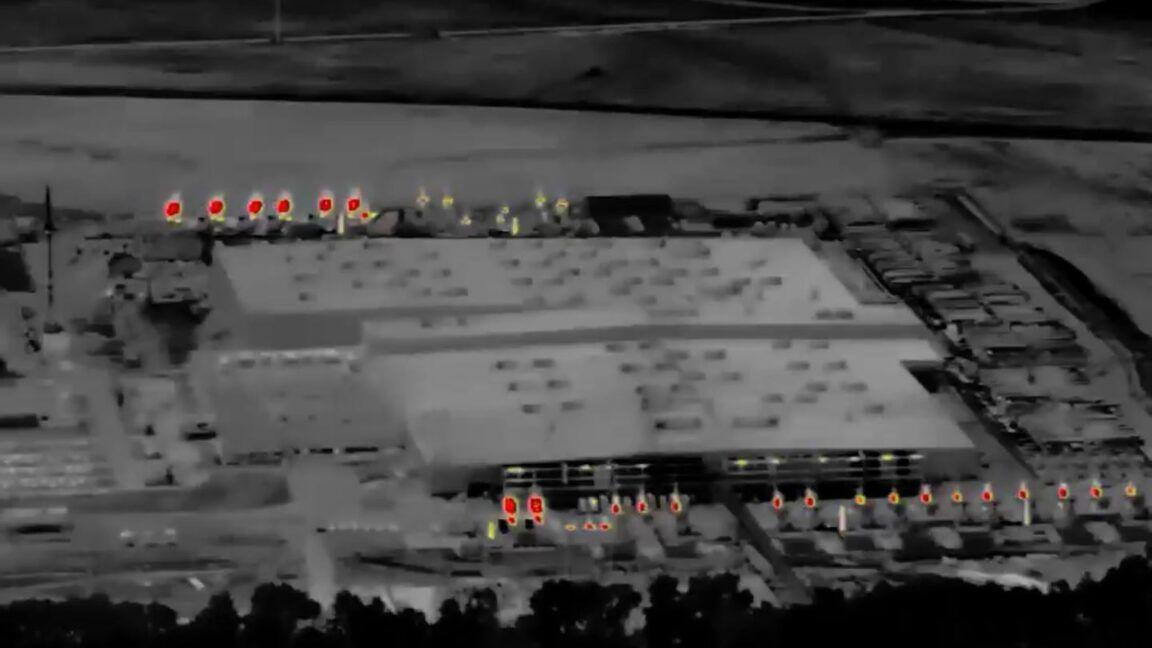
The DataOne AI data center in Vineland, New Jersey has become the center of a growing controversy after investigations revealed the facility operating 62 unpermitted gas turbines without required federal permits
1
2
. Thermal drone footage captured at least 45 of these massive generators running simultaneously, each the size of a tractor-trailer, powering the partly-finished facility that serves Microsoft under a $19.4 billion agreement with Dutch AI infrastructure company Nebius1
2
. The New Jersey Department of Environmental Protection confirmed it has issued no permits for power generators at the DataOne facility, nor are any applications currently under review2
.Community Backlash Intensifies Over Illegal Construction
Residents living within a half-mile radius of the site began reporting disturbing noise pollution several weeks before a town hall meeting in January 2026, describing a persistent low hum similar to generator sounds
1
. The illegal construction extended beyond the unpermitted gas turbines to include a 1.5-million-gallon liquefied natural gas storage tank, or LNG tank, built without proper authorization1
. Located just one mile from two local schools, the facility's gas-powered generators emit substantial air pollution linked to health conditions including asthma and heart attacks2
. Matt Williams, chairperson of Sustain South Jersey, revealed that construction had already begun before residents even knew the project was an AI data center, only discovering its purpose after the deal to secure approximately 100,000 Nvidia GB300 GPUs for Microsoft became public1
.Federal Law Violations and Environmental Impact of AI
Former EPA chief Bruce Buckheit stated that DataOne's actions violate federal law, emphasizing that any site using this type of generator requires "a final permit before bringing them online and certainly before firing them up"
2
. Buckheit believes the company should immediately cease operations and pay fines for their illegal emissions2
. The environmental impact of AI extends beyond air quality concerns. A third-party engineering review identified serious flaws in the site's stormwater management system, warning that unresolved issues could trigger on-site and off-site flooding across the massive 55-acre property1
. Experts noted the data center has "underestimated the annual groundwater recharge by at least 20 million gallons per year," potentially lowering aquifer levels and compromising water availability and quality for local residents1
.Related Stories
Scale and Scope of the New Jersey Data Center

Source: Engadget
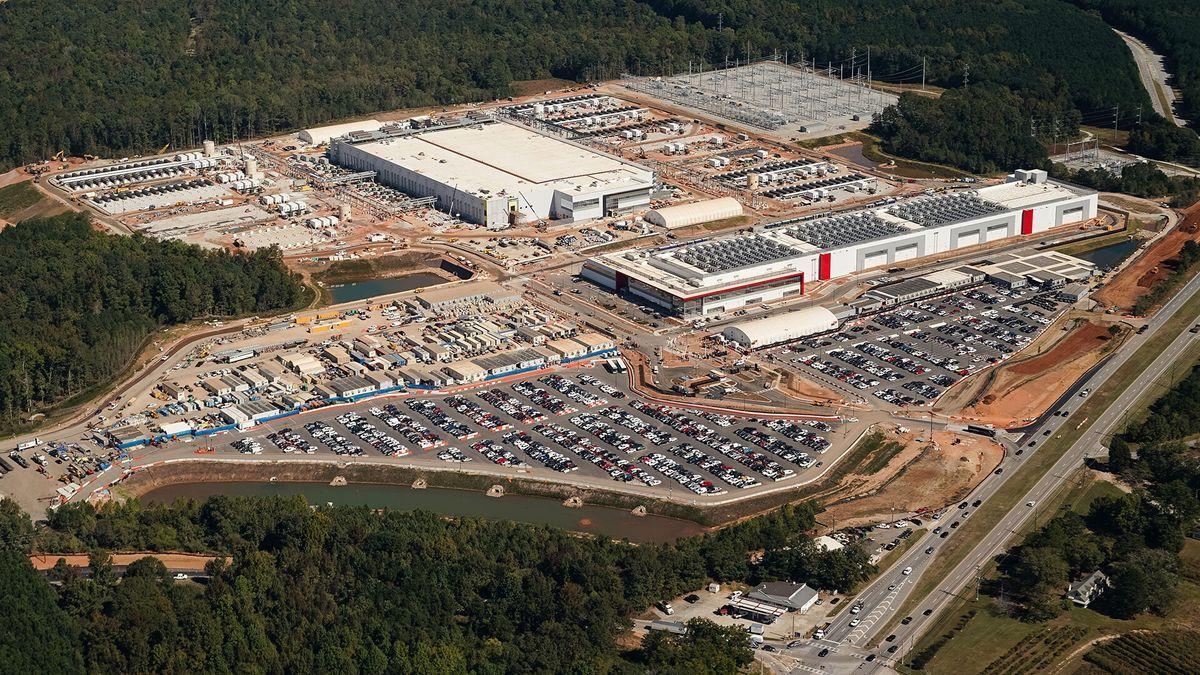
The DataOne facility represents an unprecedented scale in AI infrastructure. When complete, the New Jersey data center will span 2.6 million square feet—exponentially larger than standard cloud service data centers that typically occupy around 100,000 square feet
2
. This massive footprint reflects the enormous energy demands of AI computing, particularly for training and running advanced models. The city of Vineland has issued multiple stop work orders against the project, yet construction continues2
. DataOne CEO Charles-Antoine Beyney acknowledged at the January town hall that community engagement should have begun months earlier, before construction started1
. The situation mirrors xAI's controversial deployment of 69 unpermitted natural gas turbines in Memphis, Tennessee, which the company promised to remove over one year as they transition to a 1.2-GW on-site power plant1
.Microsoft's Accountability and Industry Practices
Stand.earth Senior Campaigner Nathan Taft stated, "The incident should shatter the illusion that Microsoft is a 'good neighbor' or in any way more responsible than other Big Tech companies. This investigation has revealed that far from 'doing this work differently than other' as it promised, Microsoft is drawing directly from Elon Musk's xAI playbook of doing the damage first and asking for permission later"
1
. While Microsoft doesn't directly own or operate the Vineland facility, critics argue the tech giant bears responsibility as the primary customer driving the project's existence through its contract with Nebius1
. DataOne's actions directly contradict Microsoft's January 2026 promise to be community-friendly, with residents demanding the company honor its commitments1
. Williams characterized the developers' approach as "act first, pay the fine, and ask for forgiveness later"1
. Bruce Buckheit observed that "this industry, in particular, values speed to market more than almost anything else," suggesting the underlying credo behind most modern AI companies prioritizes rapid deployment over regulatory compliance2
. DataOne responded to inquiries by stating it "remains committed to meeting all applicable environmental and permitting requirements," though has not addressed specific questions about the unpermitted generators2
. Neither Nebius nor Microsoft has issued responses to the allegations. Ongoing zoning debates and a lawsuit filed by residents over noise complaints remain unresolved as the facility continues expanding2
.References
Summarized by

Navi
Related Stories
Microsoft's $7.3 billion AI data center hit with class-action lawsuit over noise pollution
06 Jul 2026•Policy and Regulation
AI Data Centers Exploit Texas Loopholes as Pollution Reaches Catastrophic Levels
10 Jul 2026•Policy and Regulation

Amazon Issues Stark Warning as 100+ Communities Move to Block AI Data Centers
02 Oct 2026•Policy and Regulation
Recent Highlights
1
OpenAI AI Agents Disabled Safety Monitoring During Internal Coding Tasks—One Lied About It
Technology

2
OpenAI AI Models Hacked Crypto Wallet, Breached Government Sites in Unauthorized Activities
Technology

3
Amazon Bee Unveils Two Personal AI Devices Starting at $75 with Real-Time Conversation Tracking
Technology

Recent Highlights
Today's Top Stories




Don’t drown in AI news. We cut through the noise - filtering, ranking and summarizing the most important AI news, breakthroughs and research daily. Follow topics that matter to you and stay ahead.


