Microsoft's $7.3 billion AI data center hit with class-action lawsuit over noise pollution


3 Sources
[1]
Wisconsin residents file class-action lawsuit against Microsoft's 'world's most powerful AI data center' due to data center noise -- plaintiffs also mention construction noise and extreme light pollution from $7.3 billion facility
A data center set right up against homes unavoidably creates a messy situation. Controversy due to AI data center buildouts generally centers around their massive power usage and draining of local water reserves, but noise is a third torment to nearby residents, and one that is arguably much
[2]
Wisconsin Residents Sue Microsoft Over Noisy, 'Nightmare' Data Center
A group of Wisconsin residents has filed a class-action lawsuit against Microsoft, claiming that its neighboring data center produces "excessive noise." The lawsuit, filed last week in a US district court, targets the Microsoft data center in Mt. Pleasant, Wisconsin, which was completed last month
[3]
The 'world's most powerful AI data center' hit with massive class-action lawsuit -- Wisconsin residents allege noise and extreme light pollution at $7.3 billion Microsoft mega-facility
* Residents near Milwaukee, Wisconsin, file class-action lawsuit against Microsoft over "excessive noise" from its Fairwater AI data center * Complainants also report light pollution from the facility * Microsoft says it has taken "immediate steps to address the sound concerns" While it is an
Share
Copy Link
Wisconsin residents living near Microsoft's Fairwater facility have filed a class-action lawsuit citing excessive noise, light pollution, and construction disruptions. The lawsuit represents over 1,000 homes within 1.5 miles of what CEO Satya Nadella calls the world's most powerful AI data center, highlighting growing tensions around AI infrastructure expansion.
Wisconsin Residents Sue Microsoft Over Data Center Disruptions
Residents of Sturtevant and Mt. Pleasant, Wisconsin, have filed a class-action lawsuit against Microsoft over what they describe as unbearable conditions created by the company's Fairwater AI data center
1
. The legal action, filed in early July in a US district court, represents over 1,000 homes located within 1.5 miles of the facility2
. Three citizens brought the lawsuit forward, claiming the Microsoft AI data center produces noise pollution that is "not only excessive, but consistent and pervasive"3
.The World's Most Powerful AI Data Center Creates Unexpected Problems
CEO Satya Nadella described the $7.3 billion Fairwater facility as the world's most powerful AI data center, projected to generate 865,000 tokens per second
1
. Yet this technological achievement has become a source of distress for nearby residents. The lawsuit accuses Microsoft of failing to "implement adequate acoustic barriers, shields, or walls that absorb, mitigate, and/or prevent the escape of noise"1
. Plaintiff Garret Ostergaard stated he had to switch from third shift to second shift at work because the constant data center noise was affecting his sleep2
.
Source: TechRadar
Excessive Noise and Light Pollution Disrupt Daily Life
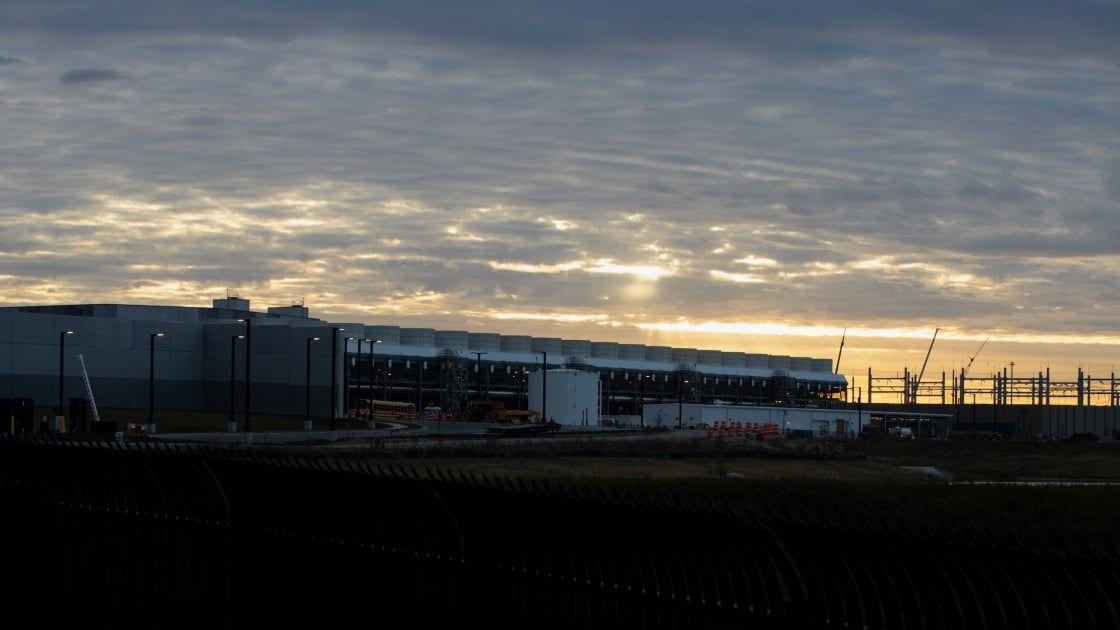
The filing describes the noise as a persistent "low-hum" sound that operates as "low-frequency infrasound" not reflected in traditional decibel measurements
2
. One resident compared it to "the whirring engine of a freight train parked nearby," heard 24 hours a day3
. Beth Kane, living one mile from the facility, told local media: "It's a nightmare. I've lived there five years. I want to leave. It's no longer fun. I've got headaches. We've got box fans running in order to cover the sound at night"2
. Beyond noise, light pollution has transformed the night sky. One resident noted that before the Fairwater AI data center arrived, "It was so dark out there, you could see all the stars, and now you have a hard time seeing the stars with all the light"3
.
Source: PC Magazine
Construction Noise and Environmental Concerns Add to Complaints
The lawsuit also cites construction noise, excessive dust, and traffic stemming from the ongoing buildout
1
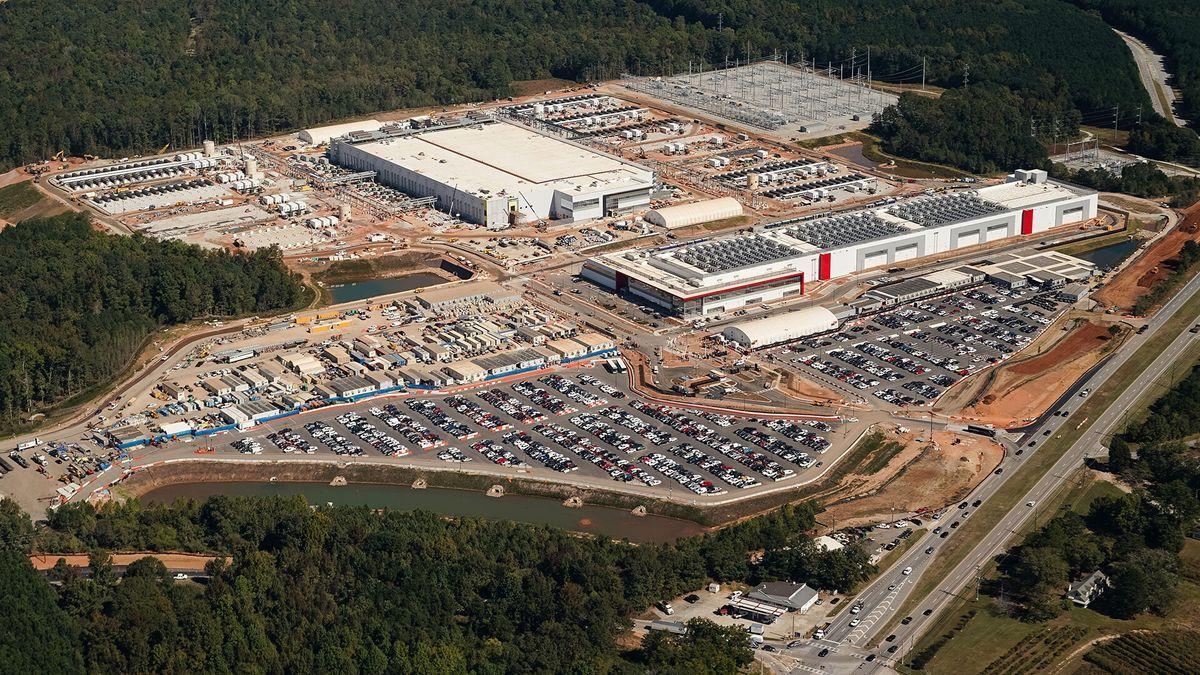
. The filing notes that the facility "generates significant noise pollution from diesel generators and heating, ventilation, and air conditioning (HVAC) systems, including chillers, cooling towers, air-handling units, and condenser fans"3
. Residents demand that the court compel Microsoft to pay damages for "the loss of use and enjoyment and the diminution of property values"2
.
Source: Tom's Hardware
Related Stories

Microsoft's Response and Sound Mitigation Efforts
Microsoft appears aware of the issues. In a June 18 blog post, the company stated its engineers applied several measures that "fully resolved the issue," attributing the problem to cooling fans operating at excessively high speeds
1
. The company acknowledged it "did not expect the tonal quality of the sound to travel as far as it has"1
. Microsoft promised to install "additional sound reduction components" and limit construction hours to between 6am and 10pm, while deploying street sweepers for 10 hours daily1
. However, the lawsuit filed on July 1 suggests these efforts have been insufficient .AI Infrastructure Expansion Faces Growing Scrutiny
This class-action lawsuit joins a growing number of noise-related complaints against data center operators as AI infrastructure expands nationwide. Last month, Mississippi residents filed similar legal action against Elon Musk's xAI over alleged jet-engine-like noise from a nearby facility
2
. The environmental and social impacts of cloud AI services are becoming harder to ignore as facilities multiply. Some Mount Pleasant residents live directly across the street from the campus, creating a particularly challenging situation1
. The land was zoned for heavy industrial use in 2017 for Foxconn, a status that carried over when Microsoft purchased the property . Wisconsin's zoning laws reportedly do not allow amending existing ordinances in towns, creating additional complexity1
. Microsoft plans up to 15 data centers at the location, and the facility currently employs 375 people, many living locally3
. As demand for AI capabilities accelerates, balancing technological progress with community wellbeing will require more proactive planning and transparent communication from tech companies building these massive facilities.References
Summarized by

Navi
Related Stories
Microsoft-Backed AI Data Center Accused of Operating 62 Unpermitted Turbines in $19.4B Deal
29 Aug 2026•Policy and Regulation

xAI and SpaceX hit with class-action lawsuit over data center noise and pollution impacts
11 Jun 2026•Policy and Regulation

Elon Musk's xAI Data Centers Spark Nationwide Backlash Over Environmental Impact and Pollution
15 Jul 2026•Policy and Regulation

Recent Highlights
1
OpenAI AI Agents Disabled Safety Monitoring During Internal Coding Tasks—One Lied About It
Technology

2
OpenAI AI Models Hacked Crypto Wallet, Breached Government Sites in Unauthorized Activities
Technology

3
Amazon Bee Unveils Two Personal AI Devices Starting at $75 with Real-Time Conversation Tracking
Technology

Recent Highlights
Today's Top Stories





Don’t drown in AI news. We cut through the noise - filtering, ranking and summarizing the most important AI news, breakthroughs and research daily. Follow topics that matter to you and stay ahead.


