Microsoft Develops In-House AI Models to Reduce Dependence on OpenAI


11 Sources
[1]
Nadella Takes a Swipe at OpenAI, Calls It a Product Company, Not a Model Company
"We're a full-stack systems company, and we want to have full-stack systems capability." All may not be well between Microsoft and OpenAI. A new report suggests that Microsoft is building its own AI model to rival OpenAI. In a recent podcast, Microsoft chief Satya Nadella said that Microsoft
[2]
Microsoft developing AI reasoning models to compete with OpenAI, The Information reports
March 7 (Reuters) - Microsoft (MSFT.O), opens new tab is developing in-house artificial-intelligence reasoning models to compete with OpenAI and may sell them to developers, The Information reported on Friday. The company has begun testing out models from xAI, Meta (META.O), opens new tab and
[3]
Microsoft's AI unit aims for self-sufficiency, develops new models - The Information By Investing.com
Investing.com -- Last fall, Mustafa Suleyman, the head of Microsoft's in-house artificial intelligence unit, expressed dissatisfaction with OpenAI's lack of documentation on how its latest model, o1, worked, according to a report from The Information. Suleyman's role at Microsoft (NASDAQ:MSFT),
[4]
OpenAI's Transparency Problem : Why Microsoft is Seeking New AI Allies
It's no secret that partnerships in the tech world can be as complex as the innovations they produce. For OpenAI and Microsoft, two giants at the forefront of artificial intelligence, their collaboration was once heralded as an innovative alliance. But as the AI landscape becomes more competitive
[5]

Microsoft developing AI reasoning models to compete with OpenAI: Report
The company has begun testing out models from xAI, Meta and DeepSeek as potential OpenAI replacements in Copilot, according to the report.Microsoft is developing in-house artificial intelligence reasoning models to compete with OpenAI and may sell them to developers, The Information reported on
[6]

Report: Microsoft Considering AI Models to Replace OpenAI's in Copilot | PYMNTS.com
The tech giant is also training models that could compete directly with OpenAI's, both for use in Copilot and for sale to outside developers who could add them to their own apps, Reuters reported Friday (March 7), citing a paywalled article from The Information that cited unnamed
[7]

Microsoft's Relationship With OpenAI Is Not Looking Good
The major investor in OpenAI has been looking to cut ties as the two companies start looking more like competitors. We are receiving more evidence that Microsoft is looking to split with OpenAI. A new report from The Information says Microsoft is developing its own in-house reasoning models to
[8]

Microsoft reportedly ramps up AI efforts to compete with OpenAI
Microsoft is accelerating its push to compete with OpenAI, its longtime collaborator, by developing its own powerful AI models and exploring alternatives to power products like Microsoft's Copilot bot. Microsoft has developed its own AI "reasoning" models comparable to models like OpenAI's o1 and
[9]

Microsoft Reportedly Training AI Reasoning Models to Compete With OpenAI
Microsoft 365 Copilot currently uses OpenAI's advanced AI models Microsoft is developing in-house artificial intelligence reasoning models to compete with OpenAI and may sell them to developers, The Information reported on Friday, citing a person involved in this initiative. The Redmond,
[10]

Inside Microsoft's plan to build a ChatGPT competitor
Microsoft is reportedly developing its own advanced AI reasoning models, known internally as 'MAI,' to decrease reliance on OpenAI and enhance its AI capabilities. The Information reports that these models are designed for complex reasoning and problem-solving, with the aim of matching or exceeding
[11]

Copilot might soon get more Microsoft AI models, less ChatGPT presence
Table of Contents Table of Contents Steadily building its own stack Rivalry, and openness to rivals Microsoft is one of the early backers of OpenAI, and has repeatedly hawked products like Copilot by touting their access to the latest ChatGPT models. Now, it seems Microsoft is looking to push its
Share
Copy Link
Microsoft is developing its own AI models and exploring partnerships with other AI companies, signaling a potential shift in its relationship with OpenAI and a strategy to diversify its AI capabilities.

Microsoft's AI Strategy Shift
Microsoft, a tech giant known for its partnership with OpenAI, is reportedly developing its own artificial intelligence models to compete with its long-time collaborator. This strategic move comes amidst growing tensions and a desire for greater independence in the AI space
1
.Nadella's Perspective on OpenAI
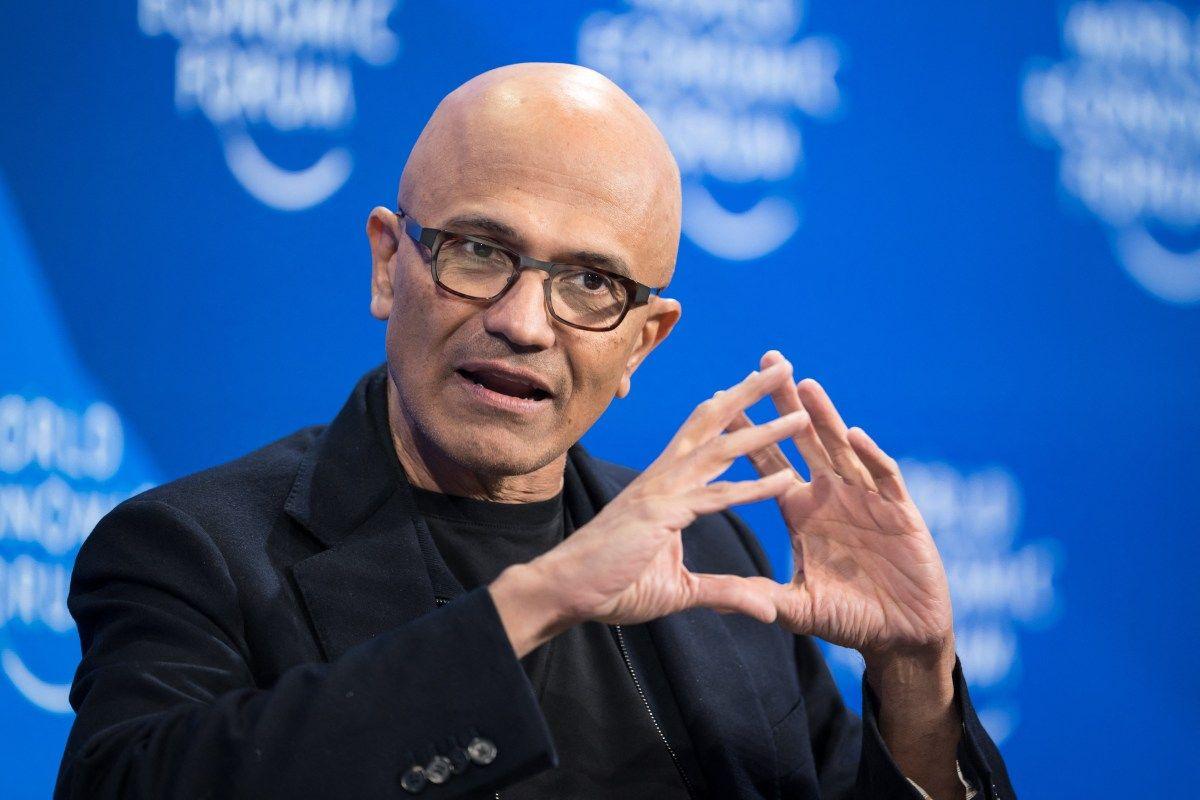
Microsoft CEO Satya Nadella recently made headlines by referring to OpenAI as a "product company" rather than a "model company." He emphasized Microsoft's position as a "full-stack systems company" with a focus on integrating models into broader systems and products
1
.Development of In-House AI Models
Under the leadership of AI chief Mustafa Suleyman, Microsoft has been working on its own AI models, including the Phi family of small language models and the MAI series. These models are reportedly performing at levels comparable to top models from OpenAI and Anthropic on widely recognized benchmarks
3
.Exploring Alternative Partnerships
Microsoft has begun testing models from OpenAI competitors, including Anthropic, xAI, DeepSeek, and Meta, as potential replacements for OpenAI in its Copilot tools. This move suggests a strategy to diversify its AI sources and reduce dependence on a single provider
2
.Transparency Concerns
A key factor driving Microsoft's strategy shift is the lack of transparency from OpenAI regarding its models. This became evident when Suleyman pressed OpenAI for documentation on its o1 model's "chain of thought" reasoning, which was met with refusal
4
.Related Stories

Future Plans and Market Impact
Microsoft is considering releasing its MAI models later this year as an API, potentially positioning itself in direct competition with OpenAI's API services. This move could significantly impact the AI market landscape and alter the dynamics between the two companies
1
.Challenges and Industry Implications
The development of Microsoft's in-house AI capabilities has faced technical setbacks and internal disagreements. However, the company remains committed to achieving greater independence in AI. This shift reflects broader industry trends towards balancing proprietary innovation with open-source collaboration and meeting diverse customer needs
4
.As the AI landscape continues to evolve, the relationship between Microsoft and OpenAI serves as a microcosm of the challenges and opportunities facing the industry. The outcome of this strategic shift could have far-reaching implications for the future of AI development and partnerships in the tech world
5
.References
Summarized by

Navi
[3]
Related Stories
Microsoft pushes for AI self-sufficiency as it builds in-house models to reduce OpenAI dependence
12 Feb 2026•Business and Economy

Microsoft Diversifies AI Models for 365 Copilot, Reducing Dependence on OpenAI
24 Dec 2024•Technology

Microsoft replaces OpenAI with its own AI models in PowerPoint and Bing, signals shift
23 Jul 2026•Technology
Recent Highlights



Recent Highlights
Today's Top Stories








Don’t drown in AI news. We cut through the noise - filtering, ranking and summarizing the most important AI news, breakthroughs and research daily. Follow topics that matter to you and stay ahead.


