Microsoft pushes for AI self-sufficiency as it builds in-house models to reduce OpenAI dependence


3 Sources
[1]
Microsoft is building its own AI model
Microsoft $MSFT wants out of the "powered by someone else" business. The company's AI chief, Mustafa Suleyman, told the Financial Times that the company is pushing toward AI "self-sufficiency." That means developing its own advanced foundation models and continuing to reduce its reliance on OpenAI,
[2]
Microsoft eyes AI 'self-sufficiency' after OpenAI deal rejig
Microsoft's (MSFT) AI head Mustafa Suleyman said that the company is pursuing "true self-sufficiency" in AI by developing its own powerful models and reducing its dependence on OpenAI (OPENAI), The Financial Times reported. Suleyman told the news outlet that the Microsoft aims for 'true
[3]
Microsoft Aims at AI Self-Sufficiency, Plots to Dump OpenAI and ChatGPT
Mustafa Suleyman, one of the earliest pioneers in neural network models at DeepMind which was acquired by Google in 2014, and currently the AI lead at Microsoft, has suggested that the Big Tech giant plans to progressively reduce their reliance on OpenAI and build self-sufficiencies in the
Share
Copy Link
Microsoft's AI chief Mustafa Suleyman announced the company is pursuing AI self-sufficiency by developing its own advanced foundation models. The strategic shift aims to reduce reliance on OpenAI while maintaining their partnership through 2032. Microsoft previewed MAI-1, trained on 15,000 NVIDIA H100 GPUs, and launched the Maia 200 inference chip to control AI economics.
Microsoft AI Chief Signals Strategic Shift in AI Development
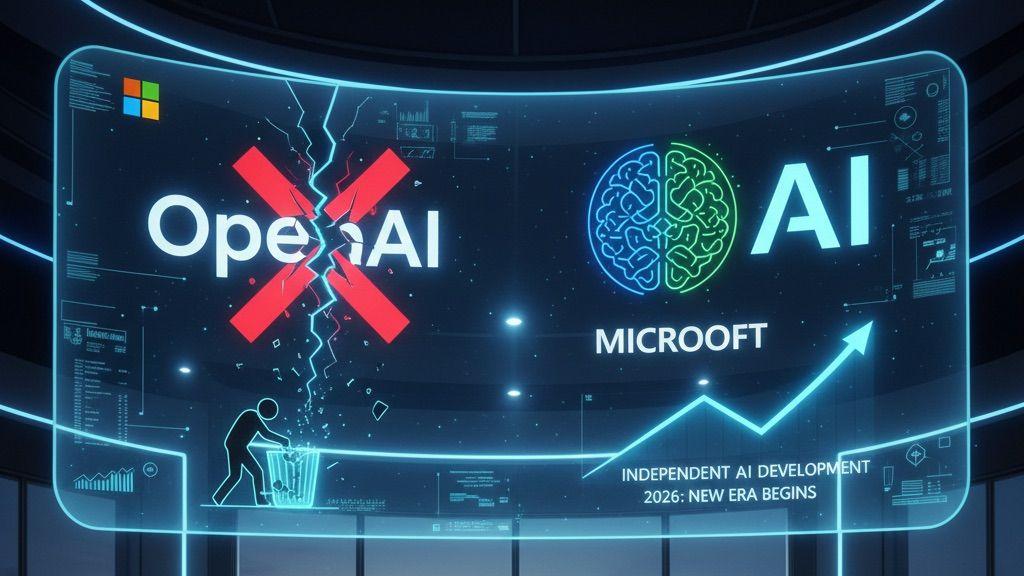
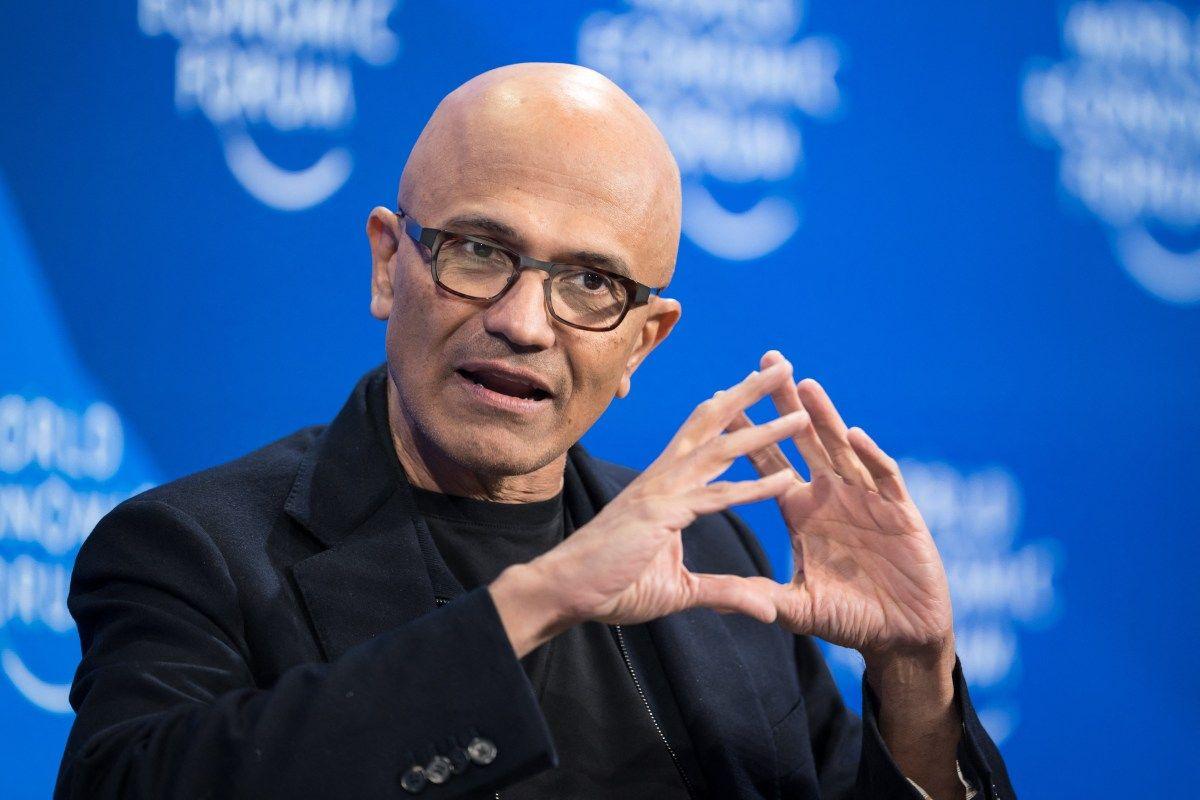
Microsoft AI is charting a new course toward what its chief Mustafa Suleyman calls "true self-sufficiency" in artificial intelligence, marking a strategic shift in AI that could reshape the company's relationship with OpenAI
1
. Suleyman, a DeepMind pioneer who now leads Microsoft's AI efforts, told the Financial Times that the company must develop its own foundation models "at the absolute frontier, with gigawatt-scale compute and some of the very best AI training teams in the world"3
. The announcement signals Microsoft's intent to reduce reliance on OpenAI, even as their partnership remains legally intact through 2032, including IP rights and Azure API exclusivity for models "post-AGI"1
.
Source: CXOToday
In-House AI Development Takes Center Stage
The push for in-house AI development isn't just talk. In August 2025, Microsoft AI previewed MAI-1-preview, described as "an in-house mixture-of-experts model" that was "pre-trained and post-trained on ~15,000 NVIDIA H100 GPUs," with plans to integrate it into certain Microsoft 365 Copilot text use cases
1
. This represents a clear marker of intent at meaningful scale, demonstrating Microsoft's commitment to develop in-house AI models using the same hardware infrastructure as competitors. The company's entire AI operation currently runs on ChatGPT and other OpenAI models, including DALLE 3, powering enterprise AI tools like Microsoft 365 Copilot and GitHub Copilot3
.Custom AI Inference Chips Target Economics of Scale
Microsoft's new Maia 200 chip positions the company to control the economics of AI at the inference layer, where costs accumulate rapidly. Engineered as an inference accelerator to "dramatically improve the economics of AI token generation," the custom silicon aims to challenge NVIDIA's CUDA dominance
1
. These custom AI inference chips represent Microsoft's attempt to gain leverage where hyperscalers need it most—at the point where AI infrastructure spending translates into actual token generation costs. The move addresses investor concerns that large AI infrastructure spending may be creating a bubble that negatively impacts big tech stock performance, despite long-term expectations for revenue growth2
.Related Stories
Partnership Tensions and Multi-Model Strategy
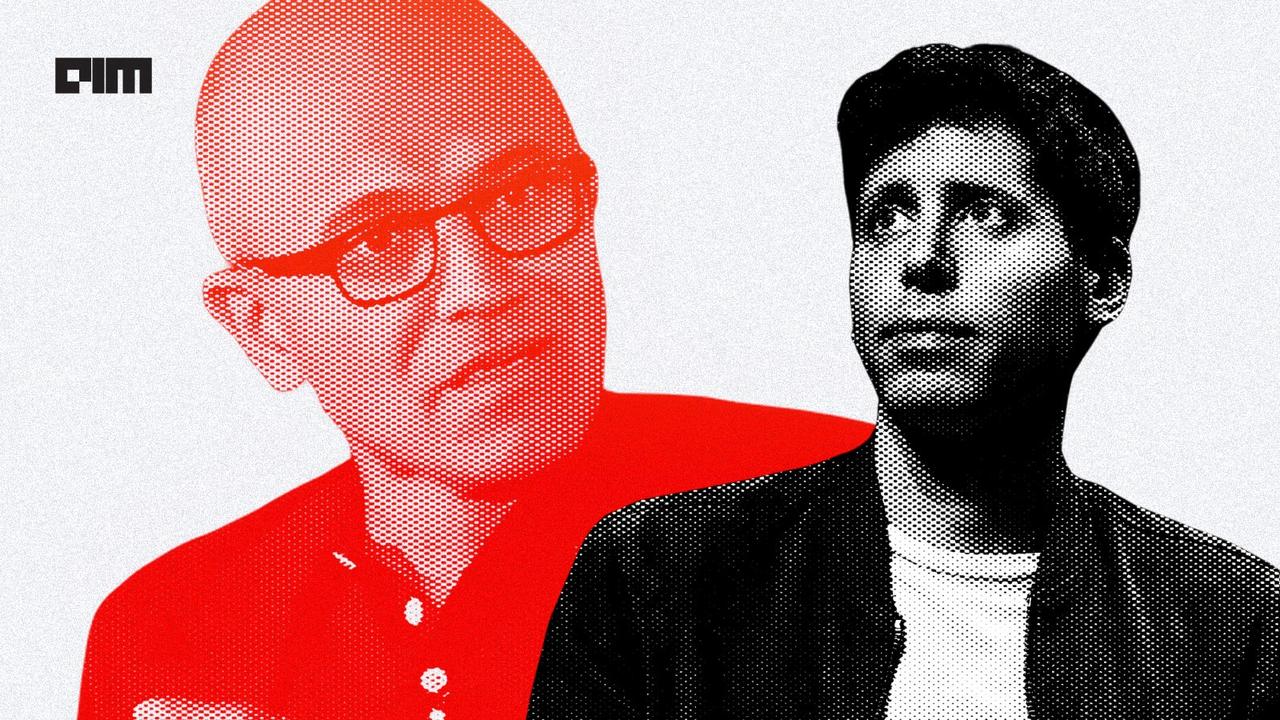
The relationship between Microsoft and OpenAI has been strained since Microsoft's initial $10 billion investment in Sam Altman's company. Tensions escalated when OpenAI announced plans to transition from non-profit to a for-profit structure, leading to a year-long dispute that ended with a non-binding MOU signed in September
3
. Microsoft now holds 27% of OpenAI's for-profit arm, while OpenAI gained freedom to seek compute from competing cloud firms3
. Microsoft has diversified aggressively, hosting models from xAI, Meta, Mistral, and Black Forest Labs in its data centers. The company even pays AWS for access to Anthropic models used in Microsoft 365 Copilot experiences after internal testing found them superior for certain Office tasks1
.Enterprise Market Ambitions Drive Independence
For Microsoft, having its flagship AI product embedded in Microsoft 365 while depending on a single supplier creates a vulnerability that requires explanation on earnings calls
1
. The company aims to capture more of the enterprise market by ensuring that underlying compute, security, and billing remain "Microsoft-shaped, no matter which model is hot this quarter"1
. Suleyman's emphasis on AI agents in the Azure toolkit, which allows users to automate prompts and workflows while maintaining corporate and legal compliance, signals where Microsoft sees its competitive advantage3
. He predicts white collar work will become automated within two years, though he frames this as an opportunity for workers to accelerate their career growth3
. OpenAI's near-trillion dollar debt without clear revenue growth plans may be fueling Microsoft's urgency, even as OpenAI reported annualized recurring revenues of $20 billion, representing a ten-times expansion over two years3
.References
Summarized by

Navi
[1]
[2]
Related Stories
Microsoft Develops In-House AI Models to Reduce Dependence on OpenAI
08 Mar 2025•Technology
Microsoft pushes to develop state-of-the-art AI models by 2027 after ending OpenAI restrictions
02 Apr 2026•Technology

Microsoft replaces OpenAI with its own AI models in PowerPoint and Bing, signals shift
23 Jul 2026•Technology
Recent Highlights



Recent Highlights
Today's Top Stories









Don’t drown in AI news. We cut through the noise - filtering, ranking and summarizing the most important AI news, breakthroughs and research daily. Follow topics that matter to you and stay ahead.


