Microsoft Abandons Copilot Plus PC Label Just Two Years After Launch


11 Sources
[1]
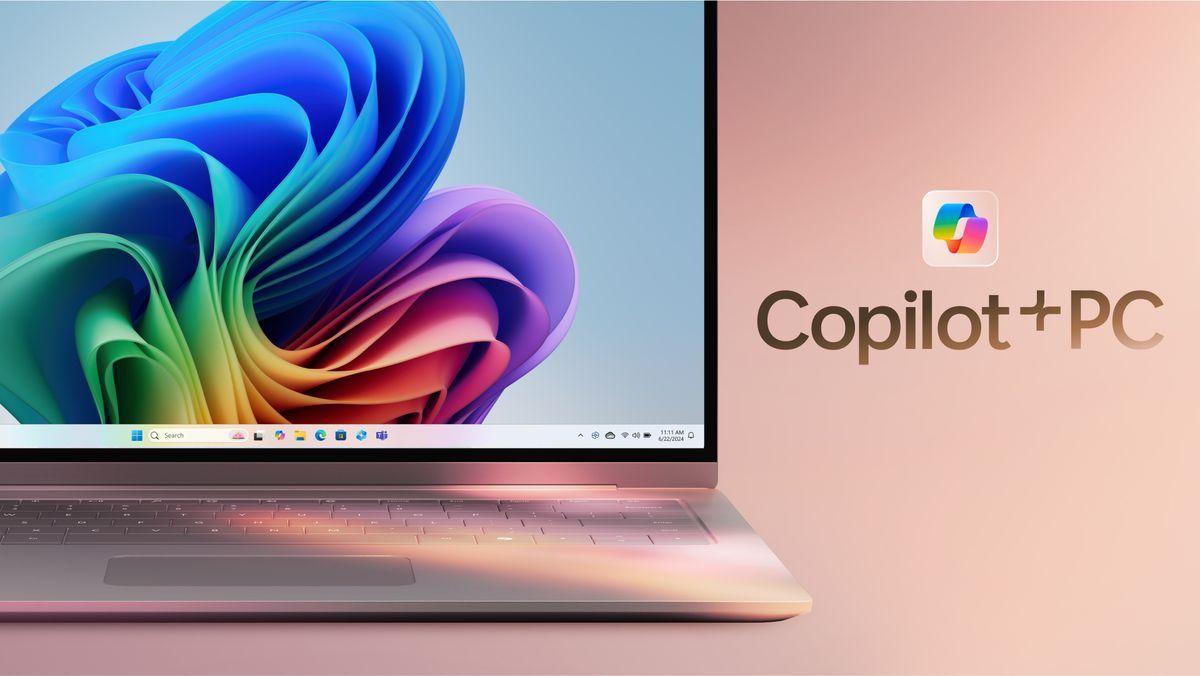
Microsoft is killing off the 'Copilot Plus PC' brand
Remember when Microsoft wanted everyone to know that "Copilot Plus PCs" were the ones to get, because those were the PCs that that'd have enough built-in AI muscle to get things done? Two and a half years later, Microsoft and Qualcomm seem to be admitting the brand is already dead. Windows
[2]
Microsoft quietly drops Copilot+ branding from its new laptops after two years -- Surface CVP confirms new devices meet hardware requirements but lack controversial branding
Microsoft launched the Copilot+ brand in 2024 to differentiate its offerings with local AI capabilities from other devices that do not have NPUs or fail to meet the minimum 40+ TOPS requirement. But a little over two years after the disastrous launch and poor sales, the company has quietly moved
[3]
After two years of backlash, Microsoft seems to be dropping Copilot+ branding from its new laptops
* Microsoft quietly removed Copilot+ branding from its new laptops, even though they meet NPU requirements. * Partners say the devices still deliver local AI/NPU experiences but won't use the Copilot+ label. * Microsoft is scaling back Copilot integration in Windows 11 while still adding
[4]
Nobody wanted an "AI PC," so Microsoft stopped calling it that
Serving tech enthusiasts for over 25 years. TechSpot means tech analysis and advice you can trust. The takeaway: Two years ago, Microsoft and Qualcomm launched "Copilot+" as their take on what they and Intel called the "AI PC" era. However, the term "Copilot+" is nowhere to be found in the PR for
[5]

Microsoft and PC vendors drop the Copilot+ PC label that didn't made sense
If you've questioned why Microsoft has insisted on branding computers as Copilot+ PCs, you're not alone. Microsoft and Qualcomm have acknowledged that they and their PC partners are dropping the label from their systems. Microsoft Surface Corporate Vice President Brett Ostrum tells Windows Central
[6]

Microsoft is quietly killing its Copilot+ PC brand
When AI PCs first hit the market back in early 2024, Microsoft led the initiative with its hyped-up Copilot+ PC branding. The "Copilot+ PC" label was reserved for Windows machines that met minimum specs for running local AI features: an NPU with 40+ TOPS, at least 16GB of RAM, and at least 256GB of
[7]

Microsoft's new Surface laptops ditch Copilot+ PC branding
Microsoft is sunsetting the Copilot+ PC brand. Credit: David Paul Morris/Bloomberg via Getty Images Microsoft's AI-branded Windows laptops are dead. At Qualcomm's Snapdragon Summit 2026 this week, Microsoft Surface CVP Brett Ostrum told news outlet Windows Central that it will no longer use the
[8]

Microsoft is reportedly ditching its Copilot+ PC branding for Windows 11 devices
Microsoft introduced the Copilot+ PC branding back in 2024 alongside the arrival of the first Windows on Arm devices powered by Qualcomm Snapdragon processors. The branding refers to hardware that meets a minimum AI performance threshold to run local Copilot+ AI tools. At the time, Microsoft
[9]

Copilot+ PC Branding Is Fading From Microsoft and Windows PCs
* Microsoft introduced Copilot+ PCs with Qualcomm in 2024 * Qualcomm says NPU requirements remain relevant * Nvidia has avoided the Copilot+ branding for RTX Spark Microsoft appears to be moving away from the Copilot+ PC name for its Windows computers after two years of using it to define a new
[10]

Microsoft Steps Back from Copilot+ PC Branding While Keeping AI Features
Microsoft is moving away from the Copilot+ PC name, even though newer Windows computers still support the hardware and AI features behind the category. Microsoft is quietly moving away from the Copilot+ PC name. The company used the label to mark Windows computers built for AI features. This
[11]

Microsoft may be ready to drop the Copilot Plus PC branding after two years
Barely over two years after introducing it as the label for a new generation of AI-powered Windows PCs, Microsoft appears to be moving on from the Copilot+ PC name. According to a latest report, the company's latest Surface devices meet the hardware requirements that defined Copilot+ PCs, but
Share
Copy Link
Microsoft and Qualcomm have quietly retired the Copilot Plus PC branding introduced in 2024, with new Surface laptops meeting AI hardware requirements but dropping the controversial label. The move signals a strategic pivot as PC vendors acknowledge customers weren't buying computers specifically for AI capabilities despite aggressive marketing.
Microsoft and Qualcomm Confirm End of Copilot Plus PC Branding
Microsoft has officially moved away from the Copilot Plus PC label just two years after its 2024 launch, with Surface Corporate Vice President Brett Ostrum confirming to Windows Central that the company's latest Surface laptops "are not called Copilot+ PCs."
2
The new 12-inch Surface Pro and 13-inch Surface Laptop technically meet all system requirements for the designation, including a neural processing unit capable of 40 TOPS and 16GB of RAM, but Microsoft has chosen to abandon the branding entirely.1
Source: TweakTown
Qualcomm's Senior Vice President of Compute and Gaming, Kedar Kondap, echoed this strategic pivot during the Snapdragon Summit 2026, stating that devices offering the same AI capabilities will "probably" not use the Copilot+ branding anymore.
3
The shift extends beyond Microsoft's own hardware, with upcoming Nvidia RTX Spark N1X laptops and other manufacturer devices also lacking the Copilot+ badges despite meeting technical specifications.2
Why the AI PC Brand Failed to Resonate
The Copilot Plus PC initiative was designed to differentiate devices with local AI capabilities from standard computers, requiring NPU requirements of at least 40 TOPS, minimum 16GB RAM, and 256GB storage.
5
However, data quickly revealed that while AI PCs were selling, customers purchased them because they needed new computers rather than specifically wanting AI capabilities.4
The branding faced immediate challenges from its controversial flagship feature, Windows Recall, which raised significant security concerns among experts and forced Microsoft to delay its release by months.
5
Users also criticized Microsoft for aggressive Copilot integration in Windows 11, prompting the company to scale back its presence and promise improvements to operating system performance, reliability, and updates.2
Market Realities Force Hardware Specifications Downgrade
AI-driven memory shortages have complicated Microsoft's original vision, making the minimum 16GB requirement expensive and impractical. Microsoft responded by purging its 32GB RAM recommendation from its website and releasing brand-new Surface for Business laptops with as little as 8GB of RAM.
2
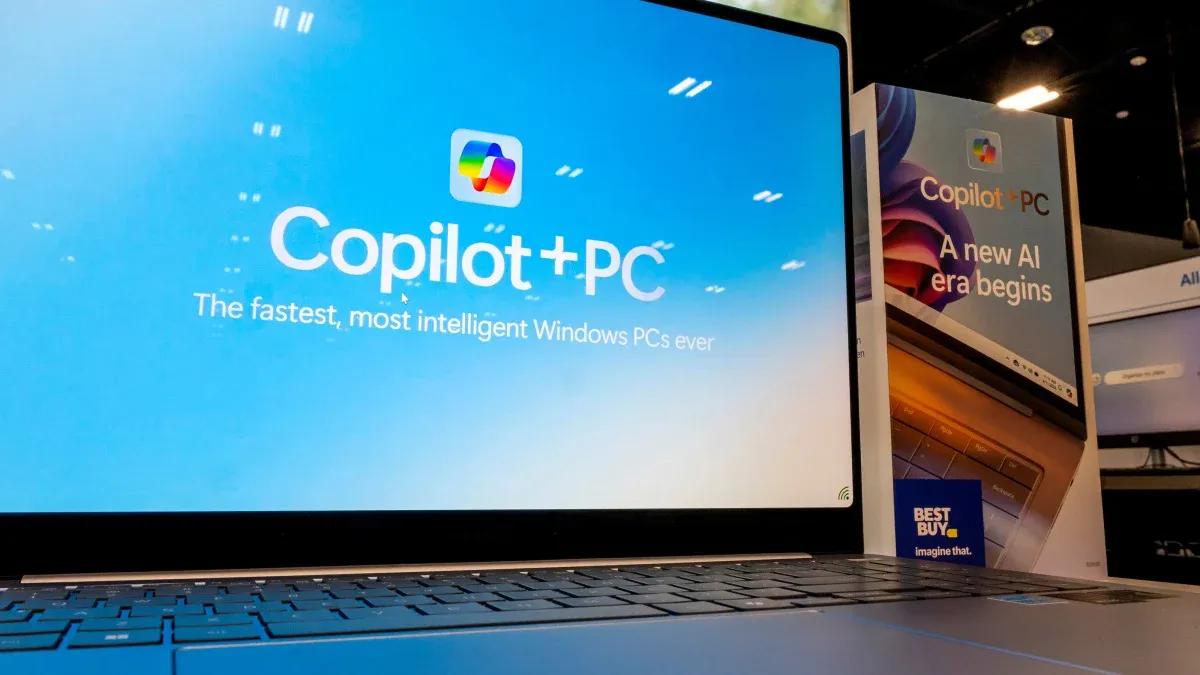
The company even committed to optimizing Windows 11 to run smoothly on 8GB of RAM, a significant retreat from its original Copilot Plus PC specifications.3
Source: Mashable
Dell's decision to revive the XPS brand in January after killing it a year earlier served as one of the clearest admissions that AI alone isn't a compelling selling point for new PCs.
4
PC vendors across the board have quietly retreated from AI-related branding, with major manufacturers like HP and Lenovo gradually phasing out the Copilot+ designation.5
Related Stories
What This Means for AI Features in Windows
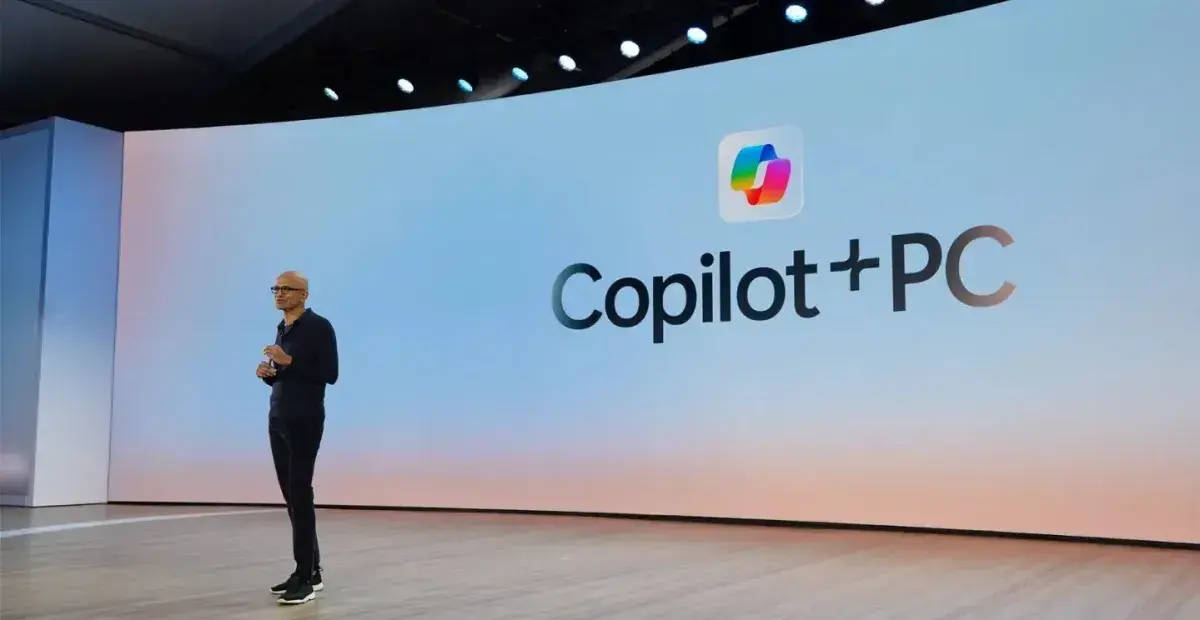
Despite dropping the hardware branding, Microsoft remains committed to AI features across its product lineup. CEO Satya Nadella recently called the refreshed Copilot "a new OS for work," and the company has added new capabilities like Home, Code, and Autopilot.
3
One AI consultant mapped out Microsoft Copilot products and discovered more than 80 unique offerings, suggesting the platform's expansion continues behind the scenes.2
Source: The Verge
Microsoft has also tested Copilot+ AI features that run on discrete GPUs, potentially expanding capabilities to PCs using processors without built-in NPU requirements.
2
This approach aligns with the company's upcoming collaboration with Nvidia on high-end Surface laptops, which will leverage RTX GPUs rather than relying solely on neural processing unit technology.4
Industry-Wide Shift Away from AI PC Marketing
The mainstream adoption of NPU-equipped processors has made the Copilot Plus PC differentiation largely obsolete. As modern mainstream and high-end processors now commonly include neural processing units capable of hitting 40 TOPS or more, the technical bar that once justified special branding no longer sets devices apart.
2
Brett Ostrum emphasized that Microsoft still leans into "the narrative around AI on the edge and being able to have a hybrid out there," suggesting the company will continue promoting AI capabilities without the Copilot+ label.
2
Microsoft plans to host a "conversation on how local AI will shape the next chapter of the PC" on October 7th, where observers expect the company to unveil new branding strategies for its AI hardware push.1
Whether AI features previously locked behind the Copilot Plus PC name will become available across all Windows 11 devices remains unclear, but the quiet sunset of this branding represents a significant acknowledgment that consumer response to AI upselling has fallen short of Microsoft's expectations.
2
References
Summarized by

Navi
[1]
[3]
Related Stories
Microsoft tests AI features on Nvidia GPUs as Copilot+ exclusivity begins to fade
11 Jun 2026•Technology
Microsoft Unveils New AI Features for Windows 11, Including Controversial Recall Function
02 Oct 2024•Technology

Microsoft shifts Windows focus to AI agents as Copilot+ PCs fade into background
03 Jun 2026•Technology

Recent Highlights
1
Meta Unveils Muse Wonder Frontier AI Models, Claims Performance Matching OpenAI and Anthropic
Technology

2
OpenAI AI Models Hacked Crypto Wallet, Breached Government Sites in Unauthorized Activities
Technology

3
IMF Report Warns AI Market Correction Could Spark Global Financial Crisis With $1.4T at Risk
Business and Economy

Recent Highlights
Today's Top Stories






Don’t drown in AI news. We cut through the noise - filtering, ranking and summarizing the most important AI news, breakthroughs and research daily. Follow topics that matter to you and stay ahead.


