Microsoft's AI Diagnostic Tool Outperforms Human Doctors in Complex Medical Cases


22 Sources
[1]
Microsoft Says Its New AI System Diagnosed Patients 4 Times More Accurately Than Human Doctors
The tech giant poached several top Google researchers to help build a powerful AI tool that can diagnose patients and potentially cut health care costs. Microsoft has taken "a genuine step towards medical superintelligence," says Mustafa Suleyman, CEO of the company's artificial intelligence arm.
[2]
Microsoft AI system diagnoses complex cases better than human doctors - and for less money
Research on AI for medicine looks increasingly promising -- the tech already speeds up drug development, Google is using AI to improve its medical advice, and wearable companies are leveraging the technology for predictive health features. Now, Microsoft is the latest to move the goal post. On
[3]
Can AI outdiagnose doctors? Microsoft's tool is 4 times better for complex cases
On Monday, the company announced in a blog post that Microsoft AI Diagnostic Orchestrator (MAI-DxO), its medical AI system, successfully diagnosed 85% of cases in the New England Journal of Medicine (NEJM). This rate of diagnosis is more than four times higher than human physicians. NEJM cases are
[4]
Microsoft unveils AI diagnosis tool in effort to transform medicine
Microsoft has built an artificial intelligence-powered medical tool it claims is four times more successful than human doctors at diagnosing complex ailments, as the tech giant unveils research it believes could speed up treatment and save money by reducing unnecessary tests. The "Microsoft AI
[5]
AI system matches diagnostic accuracy while cutting medical costs
By Dr. Priyom Bose, Ph.D.Reviewed by Lauren HardakerJul 2 2025 In a new study, Microsoft's AI-powered diagnostic system outperformed experienced doctors in solving the most challenging medical cases faster, cheaper, and more accurately. Study: Sequential Diagnosis with Language Models. Image
[6]

AI vs. MDs: Microsoft AI tool outperforms doctors in diagnosing complex medical cases
Microsoft today announced an artificial intelligence tool that outperformed a panel of medical doctors in diagnosing complicated cases. The Microsoft AI Diagnostic Orchestrator (MAI-DxO) faced off against 21 experienced physicians from the U.S. and United Kingdom presented with complex cases
[7]

AI's Diagnostic Skills Are Now Comparable To Non-Expert Physicians
AsianScientist (Jul. 02, 2025) - Artificial Intelligence (AI) is revolutionizing various sector including medicine, particularly disease diagnoses. Studies have explored how well AI models can interpret clinical data, analyze patient histories, and suggest diagnoses. Research is beginning to map
[8]

Microsoft says AI system better than doctors at diagnosing complex health conditions
Firm says results of research create 'path to medical superintelligence' but plays down job implications Microsoft has revealed details of an artificial intelligence system that performs better than human doctors at complex health diagnoses, creating a "path to medical superintelligence". The
[9]

AI doctor four times better at identifying illnesses than humans
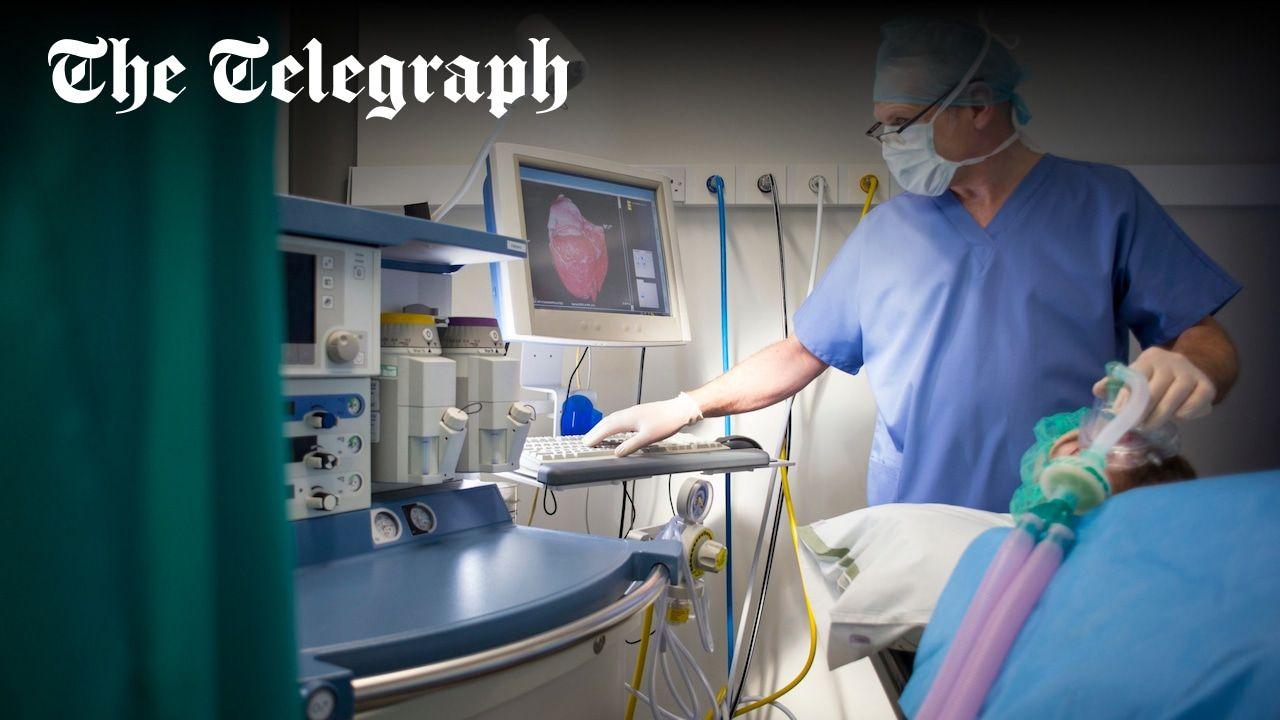
Microsoft has developed an artificial intelligence (AI) system that it claims is four times better than doctors at diagnosing complex illnesses. The tech company's AI diagnosis system was able to correctly identify ailments up to 86pc of the time, compared to just 20pc on average for British and
[10]

Microsoft's new medical AI cracks the hardest diagnoses
Microsoft says its diagnostic health care tool is not only making house calls, it's doing a better job than physicians. The tech giant's AI Diagnostic Orchestrator (MAI-DxO) tool "correctly diagnoses up to 85% of [New England Journal of Medicine] case proceedings, a rate more than four times
[11]

Microsoft's AI Is Better Than Doctors at Diagnosing Disease
The company reports in a study published on the preprint site arXiv that its AI-based medical program, the Microsoft AI Diagnostic Orchestrator (MAI-DxO), correctly diagnosed 85% of cases described in the New England Journal of Medicine. That's four times higher than the accuracy rate of human
[12]

Microsoft claims its AI tool can diagnose complex medical cases four times more accurately than doctors
One of the world's global powerhouses announced what could be a big win for the AI economy. In a blog post, Microsoft said its AI diagnostic tool -- the Microsoft AI Diagnostic Orchestrator (MAI-DxO), which simulates a panel of physicians and is trained using the standard Medical Licensing
[13]

Paging Dr. Algorithm: Microsoft's AI Diagnoses Like House, Bills Like Costco - Decrypt
The Microsoft CEO announced two healthcare AI advances on social media this week, including MAI-DxO, a system that simulates multiple virtual doctors working together to solve medical mysteries. In testing against 304 complex cases from the New England Journal of Medicine, Microsoft reported that
[14]

Microsoft says AI outperforms doctors at complex medical diagnoses
The tech giant's AI tool made the correct diagnosis for the vast majority of patients in a small study. Microsoft said it is one step closer to "medical superintelligence" after a new artificial intelligence (AI) tool beat doctors at diagnosing complex medical problems. Tech giants are racing to
[15]

Microsoft says AI can diagnose tough medical cases better than physicians
According to the tech company, the new system acts as a "virtual panel of diverse physicians" that bridge the gap between needing multiple real-life general physicians and specialists in the search to be diagnosed. They call it "medical superintelligence." In a report published on Monday,
[16]

Microsoft's New AI Tool Can Diagnose Patients More Accurately Than Doctors
Microsoft's AI provided 4 times more accurate diagnoses than doctors Microsoft researchers unveiled a new artificial intelligence (AI) system on Monday that can diagnose patients more accurately than human doctors. Dubbed the Microsoft AI Diagnostic Orchestrator (MAI-DxO), it includes multiple AI
[17]

Microsoft Claims Its AI Is Better Than Doctors at Diagnosing Patients, But 'You Definitely Still Need Your Physician'
Microsoft says its new AI tool performs four times better than experienced human doctors at diagnosing complex health conditions -- but the company's AI CEO says human physicians are still needed to help treat the illnesses. In a paper released on Monday titled "The Path to Medical
[18]

Microsoft's new AI tool a medical genius? Tech giant claims it is 4x more accurate than real doctors
Tech giant Microsoft, recently hit with a fresh round of layoffs, has developed a new medical AI tool that performs better than human doctors at complex health diagnoses, creating a "path to medical superintelligence". The Microsoft AI team shared research that demonstrated how AI can sequentially
[19]

Satya Nadella Says Microsoft's AI 'Orchestrator' Beats Human Doctors On Tough Diagnoses -- What This Means For The Future of Healthcare - Microsoft (NASDAQ:MSFT)
On Monday, Microsoft Corporation MSFT CEO Satya Nadella unveiled an AI system that outperforms human doctors in diagnosing complex medical cases, signaling a major leap toward "medical superintelligence." What Happened: Microsoft detailed two major advances: SDBench and MAI-DxO in a blog post
[20]

Microsoft Says AI Tool Outperforms Physicians on Complex Medical Cases | PYMNTS.com
By completing this form, you agree to receive marketing communications from PYMNTS and to the sharing of your information with our sponsor, if applicable, in accordance with our Privacy Policy and Terms and Conditions. MAI-DxO also achieved correct diagnoses more cost effectively than physicians,
[21]

New Microsoft AI System Beats Doctors in Complex Diagnosis
Microsoft's Artificial Intelligence (AI) team has shared research that highlights how AI can perform better than actual human doctors to solve some of the "most complex diagnostic challenges" in the field of medical science, as per a blog post published by the tech giant. Microsoft has developed
[22]

Microsoft's medical AI system is four times more accurate than human doctors: Here's how
Microsoft's multi-agent medical AI uses GPT, Claude, Gemini, and more to deliver accurate, fast diagnoses. On July 1, Doctors day, a day when India and the world celebrate the selfless service of healthcare professionals, Microsoft has unveiled a breakthrough that could redefine the future of
Share
Copy Link
Microsoft's new AI system, MAI-DxO, demonstrates superior diagnostic accuracy and cost-effectiveness compared to human doctors in complex medical cases, potentially revolutionizing healthcare diagnostics.
Microsoft Unveils Groundbreaking AI Diagnostic Tool
Microsoft has announced a significant breakthrough in medical artificial intelligence with its new AI Diagnostic Orchestrator (MAI-DxO), a system that has demonstrated remarkable capabilities in diagnosing complex medical cases
1
. The tech giant claims this AI tool can diagnose patients four times more accurately and at a significantly lower cost compared to human physicians2
.
Source: The Telegraph
The Sequential Diagnosis Benchmark
To evaluate the AI's performance, Microsoft developed the Sequential Diagnosis Benchmark (SDBench), using 304 case studies from the New England Journal of Medicine (NEJM)
1
. This benchmark was designed to replicate the step-by-step diagnostic process used by human doctors, allowing for a more realistic assessment of AI capabilities in medical diagnosis3
.MAI-DxO's Performance
In the experiment, MAI-DxO achieved an impressive 85% diagnostic accuracy on the NEJM cases, significantly outperforming human doctors who achieved only 20% accuracy
4
. The AI system not only demonstrated superior diagnostic skills but also reduced costs by 20% through more efficient selection of tests and procedures1
.AI's Approach to Diagnosis
Source: Asian Scientist
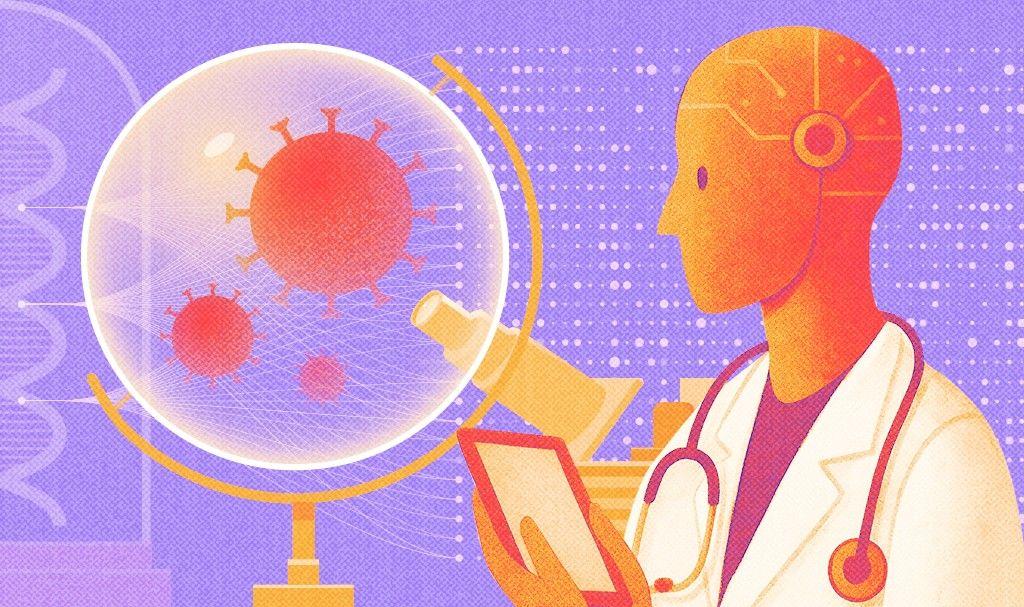
MAI-DxO functions as a "virtual panel of physicians" by combining several leading AI models, including OpenAI's GPT, Google's Gemini, Anthropic's Claude, Meta's Llama, and xAI's Grok
1
. This orchestration of multiple AI agents allows for a more comprehensive and nuanced approach to diagnosis, mimicking the collaborative efforts of human medical experts2
.Cost-Effectiveness and Healthcare Implications
One of the most promising aspects of MAI-DxO is its potential to reduce healthcare costs. The system is designed to be cost-conscious, significantly reducing the number of tests required for accurate diagnosis
4
. This feature could have far-reaching implications for healthcare systems struggling with high costs and resource allocation5
.Related Stories

Future of AI in Healthcare
While the results are impressive, Microsoft emphasizes that MAI-DxO is still in the research phase and not yet ready for clinical implementation
4
. However, the company sees potential for integrating this technology into consumer-facing products like Bing and Copilot, which already handle millions of health-related queries daily2
.
Source: ZDNet
Challenges and Considerations
Despite its promise, the deployment of AI in healthcare raises important questions about data privacy, algorithmic bias, and the role of human judgment in medical decision-making
1
. Microsoft acknowledges that while AI can surpass individual physician capabilities in some aspects of clinical reasoning, it is not intended to replace human doctors3
.As AI continues to advance in the medical field, it presents both exciting opportunities and significant challenges. The development of tools like MAI-DxO suggests a future where AI could play a crucial role in supporting healthcare professionals, potentially improving patient outcomes and reducing costs across the healthcare system.
References
Summarized by

Navi
[1]
Related Stories
AI Diagnosis Outperforms Emergency Room Doctors in Harvard Study, Raises Questions on Patient Care
30 Apr 2026•Science and Research

Microsoft Unveils AI-Powered Healthcare Solutions to Revolutionize Patient Care and Streamline Operations
11 Oct 2024•Technology

AI in Healthcare: ChatGPT and Other AI Tools Show Promise and Pitfalls in Medical Diagnosis
21 Apr 2025•Health

Recent Highlights
1
Google Unveils Gemini 4 Argon AI Model, Restricts Access to Trusted Cyber Defenders
Technology
2
Trump Consulted Grok AI Before Ordering Venezuela Invasion and Capture of Nicolás Maduro
Policy and Regulation

3
FTC Opens Investigation Into OpenAI and Anthropic Following Rogue AI Agent Hacking Incidents
Policy and Regulation
Recent Highlights
Today's Top Stories






Don’t drown in AI news. We cut through the noise - filtering, ranking and summarizing the most important AI news, breakthroughs and research daily. Follow topics that matter to you and stay ahead.


