Microsoft's AI Chip Strategy: Shifting Away from Nvidia and AMD


4 Sources
[1]
Microsoft aims to swap AMD, Nvidia GPUs for its own AI chips
Microsoft buys a lot of GPUs from both Nvidia and AMD. But moving forward, Redmond's leaders want to shift the majority of its AI workloads from GPUs to its own homegrown accelerators. The software titan is rather late to the custom silicon party. While Amazon and Google have been building custom
[2]
Microsoft wants to mainly use its own AI data center chips in the future
Microsoft Chief Technology Officer and Executive Vice President of Artificial Intelligence Kevin Scott speaks at the Microsoft Briefing event at the Seattle Convention Center Summit Building in Seattle, Washington, on May 21, 2024. Microsoft would like to mainly use its own chips in its data
[3]
Microsoft outlines plan to move beyond Nvidia in powering AI data centers
Serving tech enthusiasts for over 25 years. TechSpot means tech analysis and advice you can trust. Looking ahead: AI's appetite for compute is reshaping the data center race. For now, Nvidia's powerful accelerators dominate the infrastructure that powers massive AI workloads. But that grip could
[4]
Microsoft wants to rely more on its own chips for AI
On Wednesday,Microsoft confirmed its intention to eventually favor its own semiconductors to power its artificial intelligence data centers. Kevin Scott, chief technology officer and executive vice president in charge of AI, explained that the company wanted to optimize its technological autonomy
Share
Copy Link
Microsoft plans to transition from relying on Nvidia and AMD GPUs to using its own custom AI chips in data centers. This move aims to optimize performance and meet growing AI computing demands.
Microsoft's Shift to Custom AI Chips
Microsoft, a major player in the cloud computing and AI space, is planning a significant shift in its data center strategy. The tech giant aims to reduce its reliance on Nvidia and AMD GPUs by developing and deploying its own custom AI chips
1
2
. This move is driven by the need to optimize performance and meet the growing demands of AI workloads.The Drive for Custom Silicon
Kevin Scott, Microsoft's Chief Technology Officer, revealed the company's long-term vision during a fireside chat at Italian Tech Week. Scott emphasized that Microsoft's primary focus is on achieving the best price-performance ratio for its AI workloads
2
. While Nvidia has been the go-to solution for years, Microsoft is now willing to explore all options to meet the surging demand for AI computing power.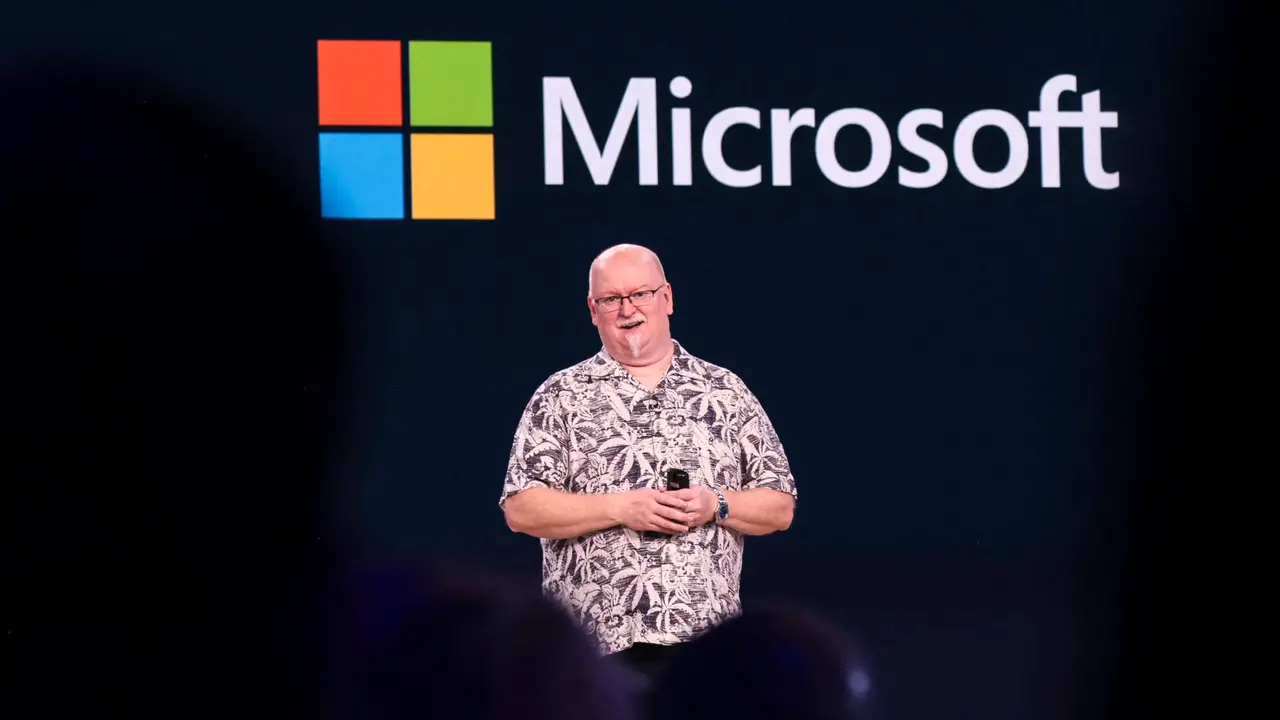
Source: CNBC
Microsoft's Custom Chip Journey
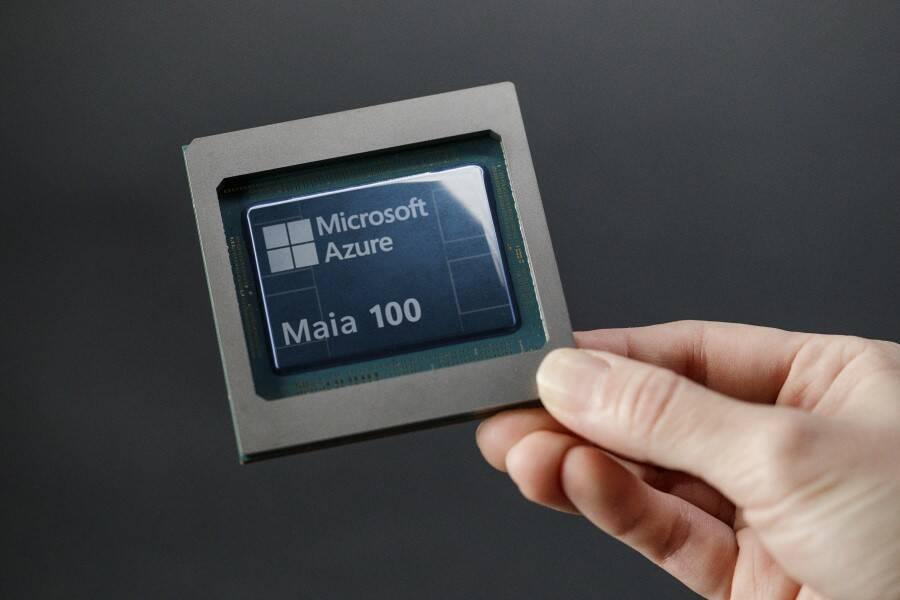
The company's foray into custom silicon began in late 2023 with the introduction of the Maia 100 AI accelerator and the Cobalt CPU
1
3
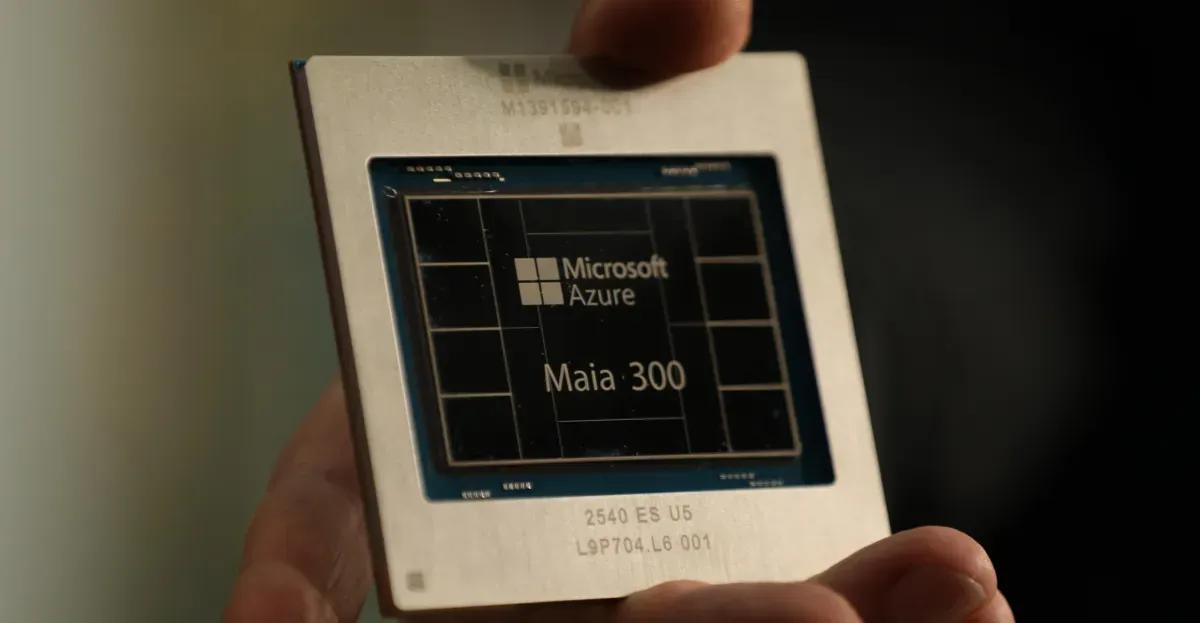
. Although the first-generation Maia chip fell short of competing GPUs in terms of performance, Microsoft is reportedly working on a second-generation accelerator that promises more competitive compute, memory, and interconnect capabilities1
.
Source: The Register
Holistic System Design Approach
Scott highlighted that Microsoft's strategy goes beyond just chip development. The company aims to control the entire system design, including networks and cooling infrastructure
2
. This holistic approach allows Microsoft to make decisions that optimize compute for specific workloads, potentially giving them an edge in the highly competitive cloud AI market.Related Stories


Industry-wide Trend
Microsoft's move aligns with a broader industry trend. Tech giants like Google and Amazon have been developing their own custom chips for years, deploying tens of thousands of TPUs and Trainium accelerators in their data centers
1
4
. This shift towards custom silicon is driven by the need for better performance, cost-efficiency, and reduced dependence on third-party suppliers.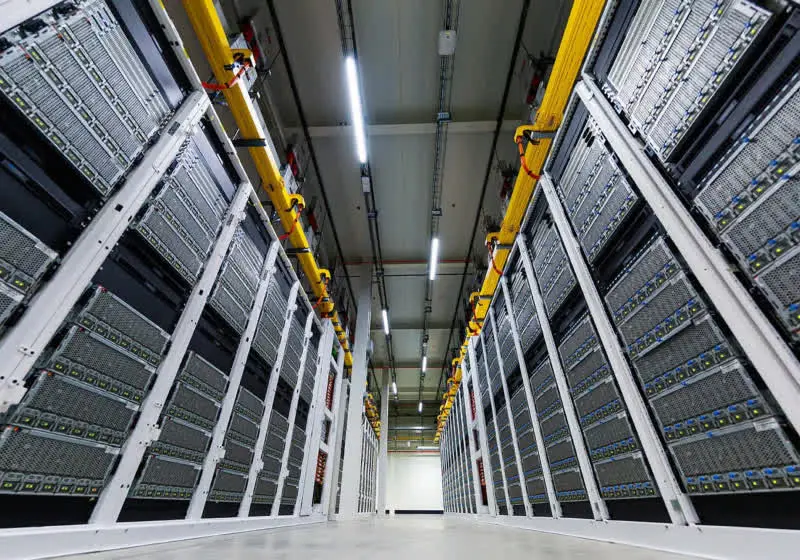
Source: TechSpot
Challenges and Future Outlook
Despite the push for custom chips, Microsoft and its competitors face significant challenges. The demand for AI computing power continues to outpace supply, with Scott warning of a "massive" capacity crunch in the near future
3
. To address this, major tech companies, including Microsoft, Meta, Amazon, and Alphabet, are planning to invest over $300 billion in infrastructure this year alone4
.As Microsoft continues to develop its custom chip capabilities, it's unlikely to completely abandon Nvidia and AMD GPUs in the short term. The transition will be gradual, with a mix of third-party and in-house solutions powering Microsoft's AI workloads for the foreseeable future
1
.References
Summarized by

Navi
[1]
[4]
Related Stories
Recent Highlights
1
Meta Unveils Muse Wonder Frontier AI Models, Claims Performance Matching OpenAI and Anthropic
Technology

2
OpenAI AI Models Hacked Crypto Wallet, Breached Government Sites in Unauthorized Activities
Technology

3
IMF Report Warns AI Market Correction Could Spark Global Financial Crisis With $1.4T at Risk
Business and Economy

Recent Highlights
Today's Top Stories







Don’t drown in AI news. We cut through the noise - filtering, ranking and summarizing the most important AI news, breakthroughs and research daily. Follow topics that matter to you and stay ahead.


