Microsoft stock plunges 17% in June as AI concerns wipe out $570 billion in market value


2 Sources
[1]
Microsoft shares head for worst month since 2000 as AI concerns wipe out $570 billion
Microsoft shares are on track for their steepest monthly decline since the dot-com era, with concerns over the company's aggressive artificial intelligence (AI) spending and long-term growth prospects wiping out more than $570 billion in market value this month, according to Bloomberg. The stock
[2]
Microsoft Stock Heads for the Worst Month Since 2000 Despite Strong Earnings
Microsoft Corp. is heading toward its weakest monthly stock performance in more than two decades, even as the company continues to report steady revenue growth and earnings that exceed Wall Street expectations. Investors have shifted their attention from quarterly results to the rising cost of
Share
Copy Link
Microsoft is heading toward its steepest monthly decline since the dot-com crash, with shares falling 17% in June. Investor concerns over AI spending and the rising costs of AI infrastructure have erased more than $570 billion in market value, despite the company reporting strong earnings and continued revenue growth.
Microsoft Shares Decline Marks Worst Month Since 2000
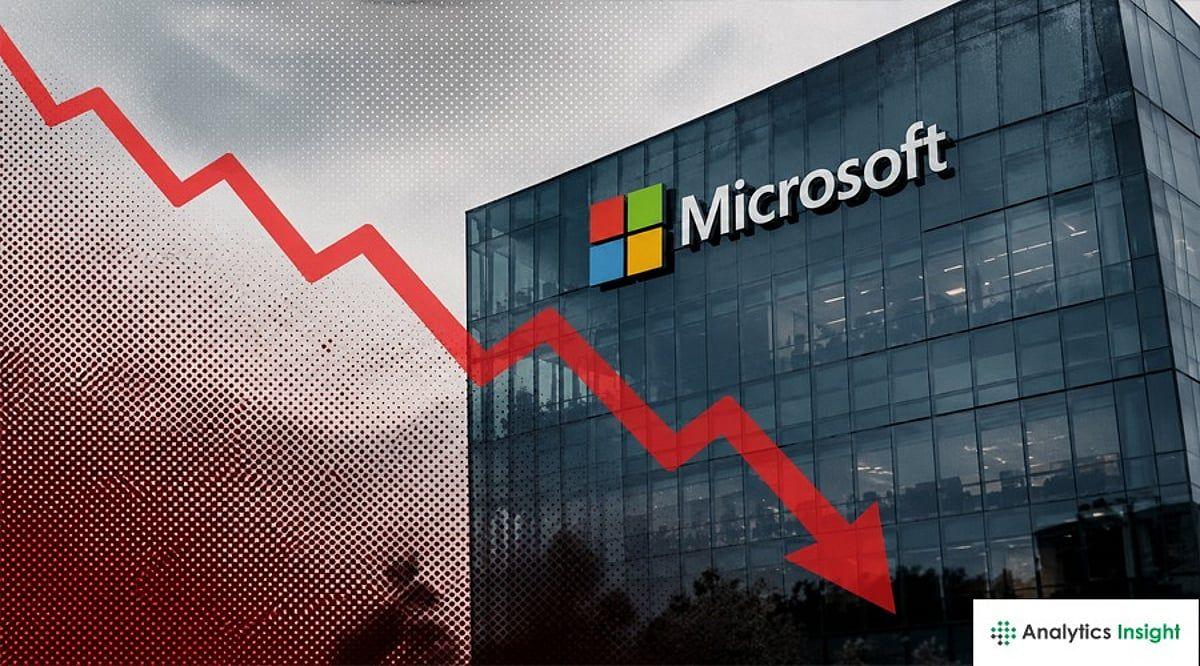
Microsoft stock is experiencing its most severe monthly downturn in over two decades, with shares falling approximately 17% in June and putting the tech giant on track for its worst month since 2000
1
. The decline has erased more than $570 billion in market value wiped out this month, pushing the software company to its lowest closing level since 2023 before shares rebounded on Friday1
. Despite the sharp correction, Microsoft maintains a market value of about $2.65 trillion, remaining one of the world's largest technology companies2
.
Source: Analytics Insight
Investor Concerns Over AI Spending Drive Selloff
The primary driver behind the selloff centers on AI concerns about Microsoft's aggressive spending on artificial intelligence infrastructure and whether returns from AI investments will materialize as quickly as anticipated. Investors have shifted focus from the company's strong earnings to the rising costs of AI infrastructure, particularly after Microsoft projected $190 billion in capital expenditure through the end of December, a figure that exceeded Wall Street expectations
1
. The concerns intensified following Microsoft's fiscal third-quarter results in April, when Azure cloud growth disappointed investors despite otherwise solid performance1
.Long-Term Growth Prospects Face Scrutiny
Beyond immediate spending concerns, questions have emerged about long-term growth prospects and whether AI could eventually reduce demand for traditional software products such as Microsoft Office
1
. This represents a fundamental shift in how investors view the company's future, moving from enthusiasm about AI opportunities to anxiety about potential disruption to existing revenue streams. The company continues to report steady revenue growth and earnings that exceed Wall Street expectations, yet these strong earnings have not been enough to offset concerns about the pace and profitability of AI transformation2
.Related Stories

Stock Valuation Attracts Contrarian Investors
The selloff has brought Microsoft's stock valuation to levels that some investors find attractive. The company now trades at about 19 times forward earnings, below the S&P 500's forward multiple of around 20 and well below its own 10-year average valuation
1
. Michael Burry, known for his successful bet against the US housing market before the 2008 financial crisis, disclosed purchases of long-dated Microsoft call options, helping lift the stock nearly 6% on Friday in its strongest single-day gain since May 20251
. Analysts still expect revenue growth to remain robust, with consensus estimates projecting 17% growth in the current fiscal year and acceleration in subsequent years, highlighting continued confidence in the company's long-term AI opportunity despite near-term uncertainty1
.References
Summarized by

Navi
[2]
Related Stories
Microsoft's AI Investments Under Scrutiny as Cloud Growth Slows and Competition Intensifies
28 Jan 2025•Business and Economy

Microsoft's AI Investments Face Scrutiny as Stock Struggles to Regain Momentum
17 Jan 2025•Business and Economy

Microsoft's AI Investments Fail to Boost Stock Performance Amid Market Uncertainty
05 Mar 2025•Business and Economy

Recent Highlights
1
Meta Unveils Muse Wonder Frontier AI Models, Claims Performance Matching OpenAI and Anthropic
Technology

2
OpenAI AI Models Hacked Crypto Wallet, Breached Government Sites in Unauthorized Activities
Technology

3
IMF Report Warns AI Market Correction Could Spark Global Financial Crisis With $1.4T at Risk
Business and Economy

Recent Highlights
Today's Top Stories







Don’t drown in AI news. We cut through the noise - filtering, ranking and summarizing the most important AI news, breakthroughs and research daily. Follow topics that matter to you and stay ahead.


