Microsoft Event Unveils Surface Laptop Ultra with Nvidia RTX Spark and Local AI Roadmap


8 Sources
[1]
Microsoft's Windows and Surface Event: Live Updates From San Francisco - CNET
Katelyn is a reporter with CNET covering artificial intelligence, including chatbots, image and video generators.... Read full bio Microsoft is hosting its first laptop-centered event in more than two years. The company is calling its Windows and Surface event "a conversation on how local AI will
[2]
Microsoft previews Surface Laptop Ultra, new local AI agents - ZDNET
Watch Microsoft CEO Satya Nadella and the Windows team introduce the next era for the OS, including more what it says are more trustworthy AI agents, the Surface Laptop Ultra, and Nvidia-powered laptops and PCs for creators and developers. Read more about Microsoft's Surface updates and AI
[3]
Windows and Surface live blog: On the ground at Microsoft's event
We're in San Francisco today to hear what's next for Windows and Surface. Microsoft CEO Satya Nadella, Nvidia CEO Jensen Huang, and Windows and Surface chief Pavan Davuluri will all be holding a "conversation on how local AI will shape the next chapter of the PC." Microsoft and Nvidia have been
[4]
The Microsoft Event Is Here: New Surface Hardware and the Next Era of Windows AI
At Microsoft's Surface and Windows event today, I'm hoping to learn more details about the Surface Laptop Ultra and get a better handle on the company's long-term Windows strategy. I'll be live-blogging about all the announcements as they happen alongside my colleague Brian Westover, who is
[5]
Windows and Surface event: how to watch and what to expect
Microsoft is heading to San Francisco this morning to reveal what's coming next for Windows and Surface and a "conversation on how local AI will shape the next chapter of the PC." That conversation will include Microsoft CEO Satya Nadella, Nvidia CEO Jensen Huang, and Windows and Surface chief
[6]

Everything announced at Microsoft's Windows and Surface event - Engadget
Microsoft held a Windows and Surface event today, which gave us a look at what's ahead for the operating system and lineup of devices. Along with CEO Satya Nadella, the company's head of Windows and Devices, Pavan Davuluri, spoke at the San Francisco event. NVIDIA CEO Jensen Huang was in attendance
[7]
How to watch the Microsoft Windows and Surface event - Engadget
The Microsoft Windows and Surface event will take place in San Francisco later today, beginning at 10AM PT (1PM ET), and there's a lot we expect to see. It's certainly going to be a very AI-focused event. According to Microsoft, it will center on a "conversation on how local AI will shape the next
[8]

Microsoft previews Surface Laptop Ultra, local AI
Watch Microsoft CEO Satya Nadella and the Windows team introduce the next era for the OS, including more trustworthy AI agents, the Surface Laptop Ultra and Nvidia-powered laptops and PCs for creators and developers. Read more about Microsoft's Surface Laptop Ultra: Microsoft's Surface Laptop
Share
Copy Link
Microsoft hosted its first laptop-centered event in over two years in San Francisco, unveiling the Surface Laptop Ultra powered by Nvidia's RTX Spark chip. CEO Satya Nadella and Nvidia's Jensen Huang detailed how local AI will reshape the PC landscape, introducing AI agents, Microsoft Execution Containers, and Windows 11 enhancements targeting developers and creators.
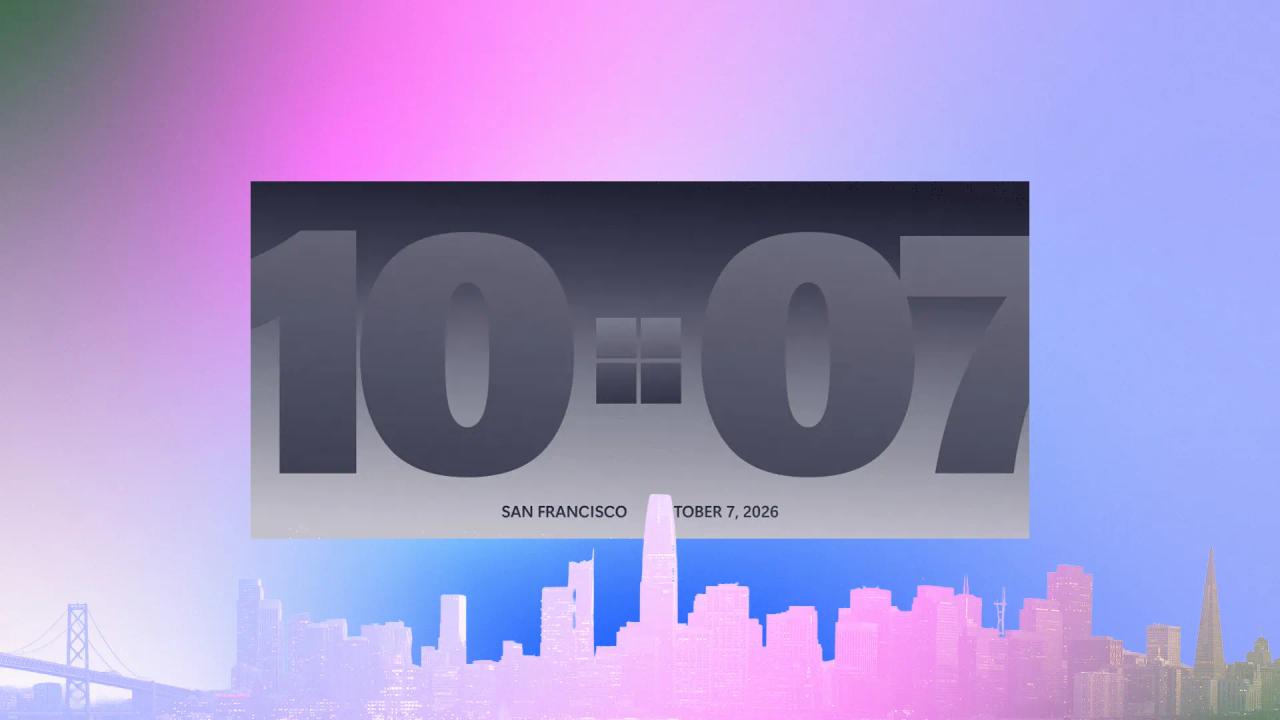
Microsoft and Nvidia Reshape the PC Landscape with Local AI
Microsoft convened its first laptop-centered event in more than two years in San Francisco
1
, positioning the gathering as "a conversation on how local AI will shape the next chapter of the PC."3
Microsoft CEO Satya Nadella, Nvidia CEO Jensen Huang, and Windows and Surface chief Pavan Davuluri led the discussion, signaling a strategic partnership aimed at integrating AI-driven innovations directly into hardware. The Microsoft event centered on unveiling the Surface Laptop Ultra and the broader Nvidia RTX Spark platform, both designed to accelerate local AI models, creative applications, and gaming performance3
. This initiative represents a departure from Microsoft's consumer-focused Copilot Plus PC strategy, targeting AI developers and creators who demand robust, on-device processing capabilities.Surface Laptop Ultra: A MacBook Pro Competitor Emerges
The Surface Laptop Ultra, first previewed at Computex earlier this year
1
, received its official unveiling with comprehensive specifications and release details. Powered by Nvidia's RTX Spark chip, the 15-inch laptop positions itself as a direct MacBook Pro competitor3
. Rumors suggest Microsoft will offer multiple configurations featuring 18-core and 20-core CPU variants with RAM options extending up to 128GB5
. The device showcases magnetic USB-C connectivity and hardware optimized for AI workloads2
. Jensen Huang's appearance underscored Nvidia's commitment to Windows and Surface, with the RTX Spark platform extending beyond Microsoft's hero device to laptops from Lenovo, ASUS, Dell, MSI, and HP2
. Microsoft also introduced the Surface RTX Spark DevBox and announced pre-orders for the ecosystem2
.AI Agents and Microsoft Execution Containers Redefine Windows 11
Microsoft detailed Agent 365 and Microsoft Execution Containers (MXC), infrastructure designed to run trustworthy AI agents locally on Windows
2
. The company emphasized agent containment, identity management, observability, and enterprise-grade security through Microsoft Defender2
. These capabilities enable hybrid intelligence and local model execution, reducing reliance on cloud infrastructure. Microsoft introduced MAI Code 1.1 Flash, a compressed local model optimized for on-device performance2
. Windows 11 received updates including a redesigned taskbar with enhanced search and quick actions, deeper Copilot app integration, and native app creation tools2
. The most striking announcement was Copilot Autopilot, which enables autonomous file and email workflows, suggesting Microsoft's vision for AI integration in PCs extends beyond assistance to full task execution2
.Strategic Shift: From Consumer Companion to Business Productivity
Microsoft's approach to Copilot has undergone significant transformation. The new head of Copilot, Jacob Andreou, described it as a business-focused productivity tool rather than the intimate life companion envisioned by former lead Mustafa Suleyman
4
. Satya Nadella reinforced this positioning by calling Copilot an "OS for work,"4
signaling that AI-powered hardware roadmap prioritizes enterprise applications. Microsoft merged business and consumer versions of Copilot, removing features like the animated Copilot Mico avatar and Windows settings control4
. This strategic realignment reflects broader industry trends toward practical AI applications over speculative consumer experiences.Related Stories

Performance and Reliability Remain Core Focus
Pavan Davuluri emphasized that memory usage remains "top of mind" for the Windows team
4
. Engineers are conducting "hidden but deep performance and reliability work" on Widgets and other OS components, with most resources dedicated to low-level improvements4
. While Windows 11's 26H2 update brought minor memory-efficiency gains, Microsoft acknowledged more optimization is necessary as the RAM crisis forces fundamental OS rethinking. The future of PCs hinges on balancing AI capabilities with system responsiveness, particularly as local AI models demand substantial computational resources.What This Means for Developers and Creators
The RTX Spark platform and Surface Laptop Ultra target a specific audience: AI developers and creators who need desktop-class performance in portable form factors
3
. Nvidia introduced the DGX Station for Windows, bringing desk-side AI performance to developers2
. This positions Windows as a viable alternative to macOS for professional workflows, particularly in AI development where local model training and inference matter. The ecosystem approach—with multiple OEMs delivering RTX Spark laptops—suggests Microsoft and Nvidia aim to establish Windows as the dominant platform for AI-driven work. However, success depends on whether the AI agent infrastructure and local model performance deliver tangible productivity gains over existing solutions. Watch for real-world benchmarks comparing RTX Spark devices against Apple Silicon MacBook Pros, particularly in sustained AI workloads where thermal management and battery life become critical factors.References
Summarized by

Navi
Related Stories
Microsoft event on October 7 to unveil local AI future with Surface Laptop Ultra and RTX Spark
16 Sept 2026•Technology

Microsoft Unveils New AI-Powered Features for Windows 11 and Copilot+ PCs
07 May 2025•Technology

Microsoft AI Brings Hybrid Intelligence to Windows 11 Copilot, Targets Developers
08 Oct 2026•Technology

Recent Highlights



Recent Highlights
Today's Top Stories







Don’t drown in AI news. We cut through the noise - filtering, ranking and summarizing the most important AI news, breakthroughs and research daily. Follow topics that matter to you and stay ahead.


