Microsoft wants to give every AI agent its own Windows PC


2 Sources
[1]
Microsoft is giving agents their own Cloud PC capabilities to help you with crucial tasks
* Companies can now give AI agents their own Windows Cloud PC, just like a human worker * They'll be managed through Intune and Entra with unique identities and permissions * General Cloud PC performance and reliability are also on track to see improvements Taking the idea of giving AI agents
[2]
Microsoft is building dedicated PCs for AI agents, what does it mean?
For years, a PC has been a machine people sit in front of to get work done. But Microsoft thinks that could change as AI agents become a bigger part of the workplace. At Microsoft Ignite 2026, the company announced Windows 365 for Agents, a service that gives AI agents their own Cloud PCs. This
Share
Copy Link
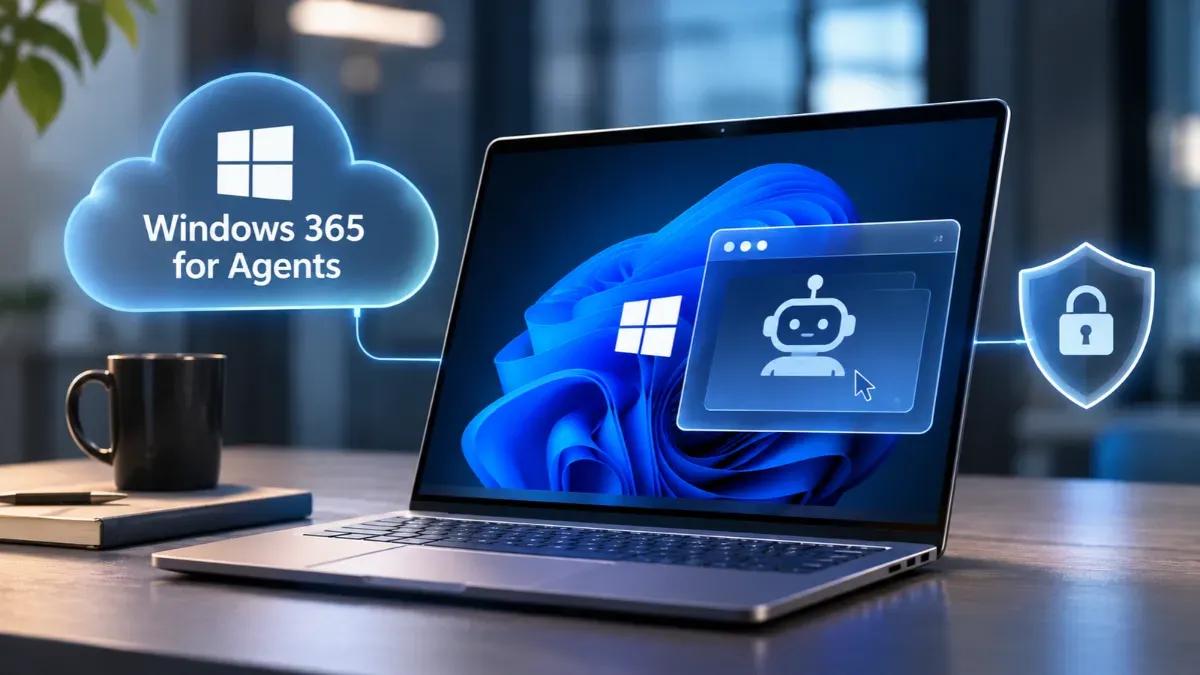
Microsoft is giving AI agents their own Windows PCs. Announced at its Ignite 2026 conference, Windows 365 for Agents spins up a secure Windows machine in Microsoft's cloud for each agent, which turns the computer into something a piece of software works on rather than a person
2
1
.
Source: Digit
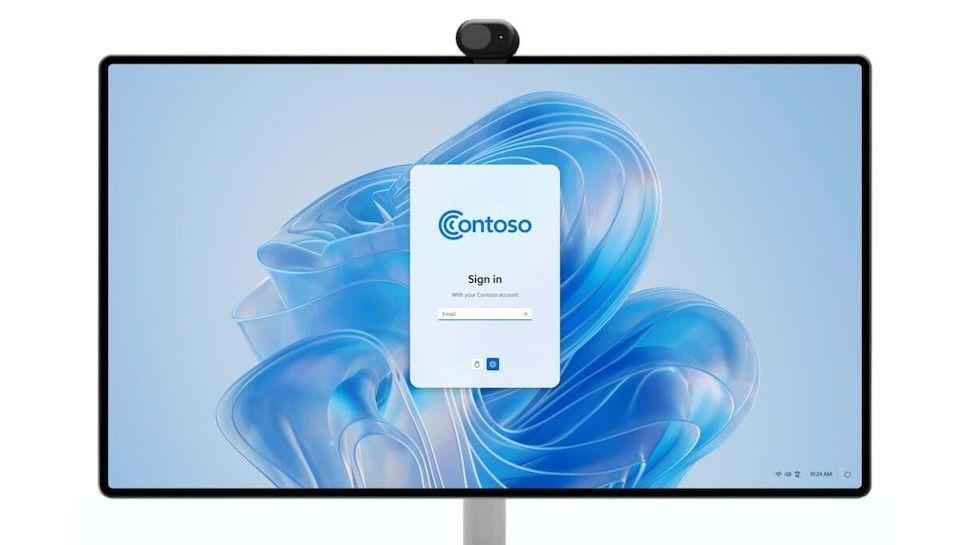
The reason for the screen-level approach, Microsoft says, is that many business apps have no interfaces for agents to plug into directly. So the agent sees the screen, clicks buttons and types, moving data between applications just as a person would. That includes older, browser-based and on-premises software that companies would otherwise have to rebuild or migrate
2
1
.
Source: TechRadar
IT teams manage these agent PCs through Microsoft's existing device management and identity tools, so an agent's machine sits in the fleet like any employee's laptop. Its identity can be set up with tighter limits than a human's
2
1
. The service is available now as a computer-use tool in Copilot Studio, Microsoft's platform for building AI assistants. A preview on its Foundry developer platform is planned for early next year, and billing runs on Copilot Credits, which Microsoft positions as a common currency across its AI services1
. Per one report, the product first launched earlier in 2026, and the Ignite announcements extend it1
.The security question
An agent with a screen, a keyboard and access to company files raises an obvious worry, and Microsoft's answer is a stack of controls. Its Execution Containers, available on Windows 11 since October, restrict what files, network connections and system resources an agent can touch. At Ignite the company added process container improvements in preview and made broader learning and permissive modes generally available. It is also testing an experimental virtualisation layer that keeps an agent's work walled off from everything else on the machine
2
.Microsoft says OpenAI has switched these containers on by default in Codex and that Meta uses them across tens of thousands of Windows devices. It also says over 20 developers, among them Anthropic, Box, Perplexity and Replit, are building on the platform
2
.The only usage example Microsoft offered is self-reported: its own business operations team uses the service to process orders, and Microsoft says that cut processing time by 60%
2
. One early customer, unnamed, described agents that "interact with real Windows applications, perform QA testing and generate documentation, all within a secure, enterprise-governed Windows 365 for Agents environment"1
.What happens when an agent reaches a file or an application it should not touch is an open question. So is whether businesses will accept agents doing everyday work at all
2
. Microsoft is also working on persistent Cloud PCs that keep agents running over long stretches, planned for a private preview in its Frontier program2
. Per one report, wide business adoption is expected to take time2
.Related Stories

References
Summarized by

Navi
[1]
Related Stories
Microsoft Launches Agent 365 to Manage AI Workforce as Companies Prepare for Billion-Agent Future
18 Nov 2025•Technology

Microsoft Unveils 10 Autonomous AI Agents, Revolutionizing Enterprise Automation
19 Nov 2024•Technology

Microsoft Unveils Autonomous AI Agents and Copilot Studio for Business Automation
21 Oct 2024•Technology

Recent Highlights


Recent Highlights
Today's Top Stories









Don’t drown in AI news. We cut through the noise - filtering, ranking and summarizing the most important AI news, breakthroughs and research daily. Follow topics that matter to you and stay ahead.


