Missouri town ousts half its council over $6 billion AI data center as community opposition spreads


3 Sources
[1]
Small Missouri town ousts half its city council after $6 billion AI data center approval -- petition calls for mayor's removal as frustration (and violence) over AI data centers mounts
The small town of Festus, Missouri -- a community made up of just under 14,000 people -- has become a focal point over the growing backlash against AI data centers entering communities across the country. Following the approval of a $6 billion data center project, voters removed four of the eight
[2]
Missouri town fights back against massive data center deal at the polls
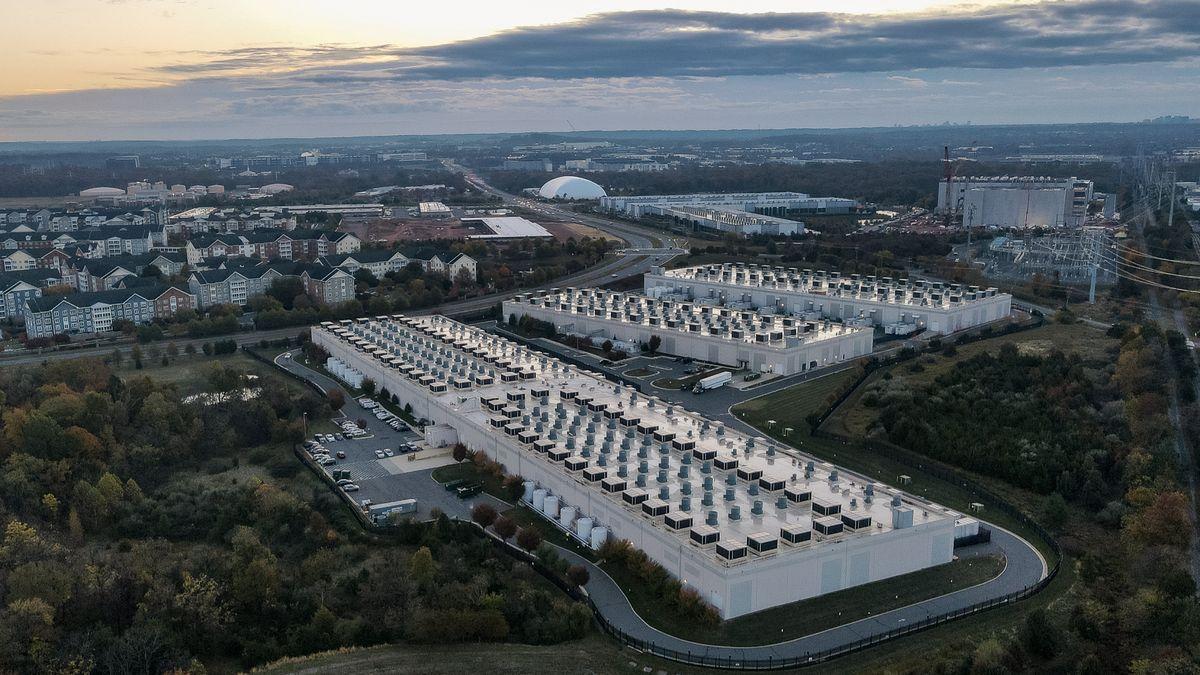
Rural residents aren't letting towns off the hook for massive data center deals. Credit: The Washington Post / Contributor / The Washington Post via Getty Images The residents of the small town of Festus, Missouri -- the site of a new $6 billion data center project -- are taking their outrage over
[3]
SPAC King Chamath Palihapitiya Says 'Not A Good Sign' As $6 Billion Missouri AI Data Center Sparks Backla
Missouri Data Center Sparks Political Revolt In Festus, a community of fewer than 14,000 residents, voters removed four of eight city council members after officials approved a massive data center project spanning roughly 360 acres, Politico reported on Monday. The backlash did not stop there,
Share
Copy Link
Festus, Missouri residents removed four city council members who approved a controversial $6 billion AI data center project spanning 360 acres. The small town of under 14,000 people has filed lawsuits alleging lack of transparency and illegal zoning decisions. The backlash reflects growing nationwide resistance to AI data centers, with communities citing environmental impact, infrastructure strain, and secretive dealings.
Festus, Missouri Becomes Flashpoint for AI Data Center Backlash
The small community of Festus, Missouri has emerged as a dramatic example of mounting public backlash against data centers sweeping across America. In a decisive local election last week, residents of the town—population just under 14,000—voted out city council members who had approved a controversial $6 billion AI data center project
1
2
. Four of the eight council members lost their seats, each having voted yes on the deal approved just one week before the election on March 302
. The project, tied to an unidentified developer, would occupy 360 acres of land1
.
Source: Mashable
Residents organized quickly, running a successful grassroots campaign that replaced one incumbent with a local advocate who had never before run for public office
2
. The community opposition didn't stop at the ballot box. A recall petition now targets the city's mayor and remaining council members2
3
.Lawsuit Alleges Lack of Transparency and Illegal Zoning
On Thursday, residents filed a lawsuit against both the city and the project's developer, alleging multiple violations in how the deal was approved
1
3
. The suit claims Festus didn't provide adequate time for public review of the proposal ahead of the decision and made improper rezoning decisions3
. Most damaging, the lawsuit alleges city officials participated in private meetings concerning the project that should have been public, violating transparency rules1
3
.Community Opposition Spreads Across Multiple States
Festus represents just one battle in a nationwide resistance movement against data center development. In February, New Brunswick, New Jersey city council struck down an AI data center deal, choosing instead to use the 27,000-square feet of real estate to build a public park
1
3
. In September 2025, Prince George's County in Maryland paused data center projects following community pushback and formed a task force to study the risks1
3
.In St. Charles, Missouri, less than an hour's drive from Festus, residents are pushing to ban data centers permanently
1
. In Foristell, Missouri, a recent proposal to annex land into city limits met local opposition under concerns the land would be used for data center development, leading to an amended annexation that kept the land's previous agricultural zoning1
. Last week, Port Washington, Wisconsin approved a first-of-its-kind referendum requiring large-scale data center projects with a minimum $10 million cost and tax benefits to go to a local vote for approval2
.Environmental Impact and Infrastructure Strain Drive Concerns
Communities cite mounting concerns over environmental impact, land use, and strain on local infrastructure as primary reasons for resistance
3
. The economic and environmental toll of massive AI data center projects has become clearer, with advocates successfully stalling dozens of projects in 20252
. Addressing these concerns, a coalition of tech giants signed onto a voluntary, non-binding White House pledge called the Ratepayer Protection Pledge, committing to provide or pay for all energy costs associated with future AI projects2
.
Source: Tom's Hardware
Related Stories

Infrastructure Challenges Compound Project Delays
Beyond public backlash against data centers, the industry faces significant logistical hurdles. According to recent reports, around half of all AI data center projects have been delayed or cancelled for various reasons
1
3
. Chief among the challenges is electrical infrastructure, with lead times for high-power transformers ballooning from around two years to up to five years1
3
. Shortages in critical electrical equipment add pressure to an already contentious expansion3
.Industry Voices and Legislative Action
Chamath Palihapitiya, reacting to the Festus situation, wrote on X: "Not a good sign for the foundation model companies..."
3
. His comment reflects growing concern within the tech industry about the sustainability of rapid AI infrastructure expansion. Meanwhile, in March 2026, Senator Bernie Sanders and Representative Alexandria Ocasio-Cortez introduced the AI Data Center Moratorium Act to halt the construction of new data centers across the U.S.3
. Interconnected Capital has built a dashboard showing AI data center proposals across the country and their current status, providing transparency into the scale of proposed development1
.
Source: Benzinga
References
Summarized by

Navi
Related Stories
142 protests erupt across 42 states as public opposition to AI data centers reaches tipping point
16 Jul 2026•Policy and Regulation
Over 230 groups demand moratorium on AI data center expansion as communities revolt nationwide
09 Dec 2025•Policy and Regulation

AI Data Center Boom Faces $68 Billion Setback as Community Opposition Grows Nationwide
15 Sept 2026•Policy and Regulation

Recent Highlights



Recent Highlights
Today's Top Stories












Don’t drown in AI news. We cut through the noise - filtering, ranking and summarizing the most important AI news, breakthroughs and research daily. Follow topics that matter to you and stay ahead.


