Elon Musk's xAI Colossus Supercomputer: Power Demands and Environmental Concerns


3 Sources
[1]
Musk's Colossus is fully operational with 200,000 GPUs backed by Tesla batteries -- Phase 2 to consume 300 MW, enough to power 300,000 homes
Supplementary gas turbine generators will still be required for some time. The first phase of Elon Musk's xAI Memphis Supercluster has just reached full operational capacity as the on-site substation goes online and connects to the main power grid. According to the Greater Memphis Chamber, the
[2]
xAI to pull half the gas turbines powering Colossus DC
Elon Musk's xAI is removing about half of the temporary gas-turbine generators powering its Colossus AI datacenter over the next two months, according to the Memphis Chamber of Commerce, not due to environmental concerns, but because a new nearby substation now supplies the needed
[3]
Musk's Colossus data center for Grok is at the centre of an environmental row over air quality in South Memphis
"From the beginning, the company operated with a stunning lack of transparency that left impacted communities in the dark." If you've been keeping your finger on the pulse of AI developments, you'll know that there's growing concern about meeting the power demands of the data centers that train
Share
Copy Link
Elon Musk's xAI Colossus supercomputer in Memphis reaches full operational capacity, raising concerns about its massive power consumption and environmental impact.

Colossus Reaches Full Operational Capacity
Elon Musk's xAI Memphis Supercluster, known as Colossus, has achieved full operational capacity as its on-site substation connects to the main power grid. The facility now receives 150 MW from Memphis Light, Gas, and Water (MLGW) and the Tennessee Valley Authority (TVA), with an additional 150 MW of Tesla Megapack Batteries serving as backup
1
.Impressive Scale and Rapid Development
Colossus initially launched with 100,000 Nvidia H100 GPUs in July 2024, doubling to 200,000 in February 2025. The supercomputer's setup was remarkably swift, taking only 19 days to become operational – a process that typically requires four years, according to Nvidia CEO Jensen Huang
1
.Power Consumption and Environmental Concerns
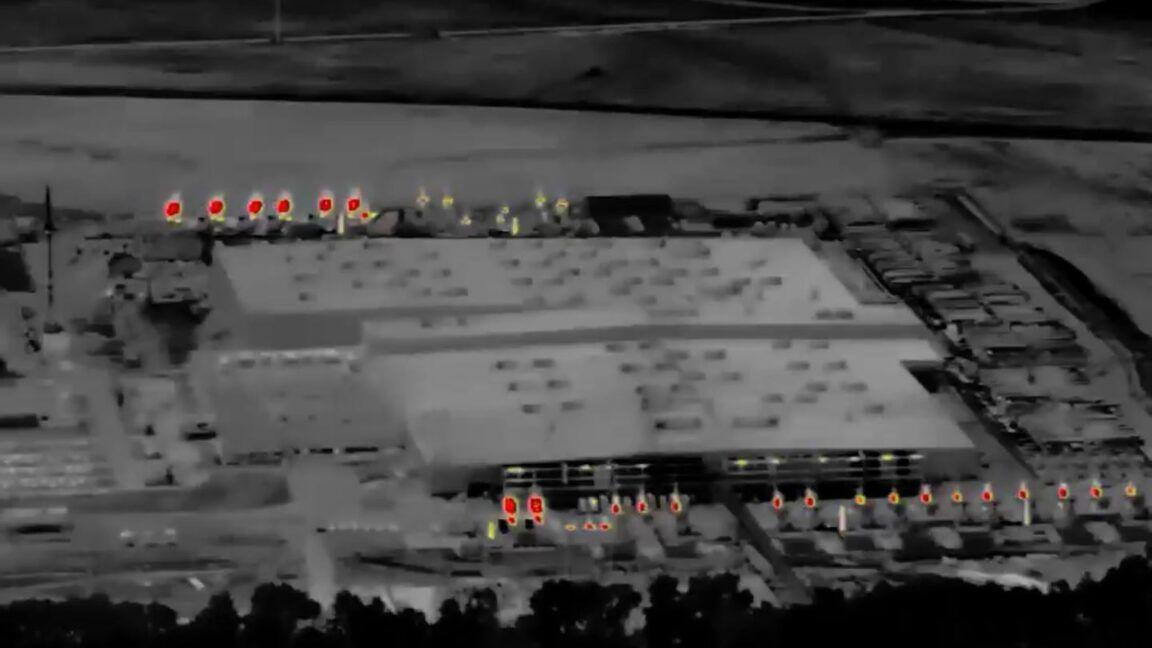
The supercomputer's massive power requirements have raised environmental concerns. Initially, Colossus relied on natural gas turbine generators, with reports indicating the presence of 35 turbines instead of the originally reported 14
2
. These generators have been criticized for their potential impact on air quality and community health.Emissions and Health Impacts
Estimates suggest that the facility could emit between 1,200 and 2,000 tons of nitrogen oxides (NOx) annually. The EPA's CO-Benefits Risk Assessment tool indicates that these emissions could result in health-related costs of up to $18 million for county residents and $160 million for those within the affected smog range
2
.Phased Transition to Grid Power
As the first substation becomes operational, xAI plans to remove half of the temporary gas turbines by summer. The remaining turbines will continue to power Phase II of the project until a second substation is completed in the fall
2
. After full grid connection, xAI intends to maintain 15 permanent turbines with improved emission control systems for backup power.Related Stories

Future Expansion and Energy Demands
Musk aims to scale the Memphis Supercluster to one million GPUs, which would significantly increase its power requirements. This expansion raises questions about the long-term sustainability of such massive AI infrastructure and its impact on local power grids
3
.Broader Implications for AI and Technology
The Colossus project highlights the growing energy demands of AI development across the tech industry. Companies like Google, Meta, OpenAI, and Microsoft face similar challenges in powering their AI initiatives. This trend underscores the need for sustainable solutions to support the rapid growth of AI technology while minimizing environmental impact
3
.References
Summarized by

Navi
[1]
[2]
Related Stories
Elon Musk's xAI Faces Pollution Allegations Over Colossus Supercomputer in Memphis
26 Apr 2025•Technology
Elon Musk's xAI Faces Environmental Scrutiny Over Unauthorized Gas Turbines in Memphis
10 Apr 2025•Policy and Regulation

Elon Musk's xAI Plans Massive Expansion of Colossus Supercomputer to 1 Million GPUs
05 Dec 2024•Technology

Recent Highlights



Recent Highlights
Today's Top Stories



Don’t drown in AI news. We cut through the noise - filtering, ranking and summarizing the most important AI news, breakthroughs and research daily. Follow topics that matter to you and stay ahead.


