Mysterious AI Voices Intercept Calls to Iran Amid Conflict and Internet Blackout


5 Sources
[1]
A woman tried to call her mom in Iran. A robotic voice answered the phone
DUBAI, United Arab Emirates (AP) -- When Ellie, a British-Iranian living in the United Kingdom, tried to call her mother in Tehran, a robotic female voice answered instead. "Alo? Alo?" the voice said, then asked in English: "Who is calling?" A few seconds passed. "I can't heard you," the voice
[2]
A woman tried to call her mom in Iran. A robotic voice answered the phone
DUBAI, United Arab Emirates (AP) -- When Ellie, a British-Iranian living in the United Kingdom, tried to call her mother in Tehran, a robotic female voice answered instead. "Alo? Alo?" the voice said, then asked in English: "Who is calling?" A few seconds passed. "I can't heard you," the voice
[3]
A woman tried to call her mom in Iran. A robotic voice answered the phone
DUBAI, United Arab Emirates -- When Ellie, a British-Iranian living in the United Kingdom, tried to call her mother in Tehran, a robotic female voice answered instead. "Alo? Alo?" the voice said, then asked in English: "Who is calling?" A few seconds passed. "I can't heard you," the voice
[4]
A Woman Tried to Call Her Mom in Iran. A Robotic Voice Answered the Phone
DUBAI, United Arab Emirates (AP) -- When Ellie, a British-Iranian living in the United Kingdom, tried to call her mother in Tehran, a robotic female voice answered instead. "Alo? Alo?" the voice said, then asked in English: "Who is calling?" A few seconds passed. "I can't heard you," the voice
[5]

"Life is full of unexpected surprises": The mystery of Iran's robotic voice calls amid blackout
Iranians abroad face a strange issue. Calls to Iran get intercepted by robotic voices. This started after internet restrictions. Families are worried and experts are unsure of the cause. Some suspect government control. Others suggest foreign interference. The situation worsens isolation during
Share
Copy Link
Iranians abroad face eerie robotic voices when calling family in Iran, raising concerns about communication blockades and psychological warfare during ongoing conflict.
Mysterious AI Voices Disrupt Communication with Iran
In a startling development, Iranians living abroad are encountering an unexpected obstacle when trying to contact their loved ones back home. Since Israel launched airstrikes on Iranian targets, callers have reported hearing robotic voices intercepting their calls to Iran, instead of reaching their intended recipients
1
.The Eerie Messages

Source: ET
The intercepted calls are answered by AI-generated voices, often speaking in imperfect English or Farsi. One such voice introduces itself as "Alyssia," asking, "Who is calling? I can't heard you. Who you want to speak with?"
2
. Other messages are more philosophical, urging listeners to "close your eyes and imagine a peaceful place"5
.Impact on Iranian Diaspora
This phenomenon has deeply unsettled Iranians living abroad. A 30-year-old woman in New York described it as "one of the most scary things I've ever experienced"
3
. The situation is particularly distressing for those with vulnerable family members in Iran, such as Ellie, a British-Iranian woman unable to reach her diabetic mother in Tehran4
.Theories and Speculations
Experts are divided on the source and purpose of these intercepted calls. Five telecommunications and cybersecurity experts who analyzed recordings for the Associated Press offered several theories:
- Low-tech artificial intelligence or chatbots
- Pre-recorded messages diverted from abroad
- A government measure to thwart hackers
- Psychological warfare
Four out of five experts believed the Iranian government was likely behind the operation, while one suggested Israel as a possible source
1
.Context of Conflict and Internet Blackout

Source: AP
The emergence of these robotic voices coincides with escalating tensions between Iran and Israel. Following Israeli airstrikes on Iranian nuclear and military sites, Iran retaliated with missile and drone strikes. In response, the Iranian government imposed a widespread internet blackout, ostensibly to protect the country
2
.Related Stories
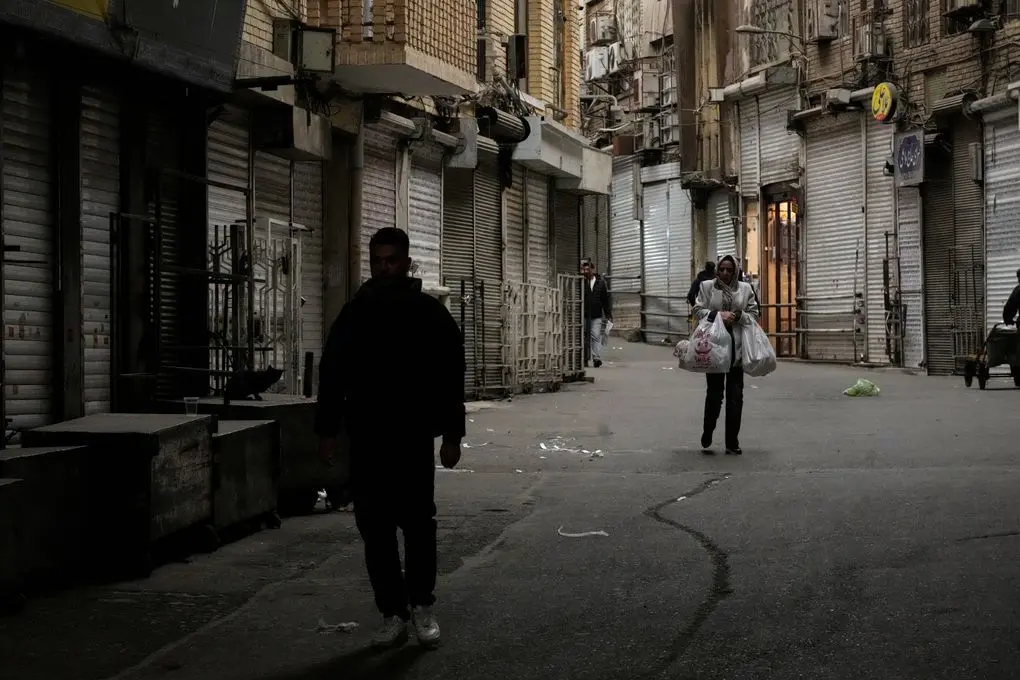
Communication Challenges
The internet restrictions have severely limited digital communication, forcing many to rely on direct phone calls. However, the appearance of these AI voices has created an additional barrier to contact. Some Iranians have found creative workarounds, such as using intermediaries with access to both Iranian and foreign phone networks
4
.Ongoing Mystery
As of now, neither the Iranian nor Israeli governments have commented on this phenomenon. The true source and purpose of these robotic messages remain unknown, leaving Iranians both inside and outside the country struggling to reconnect with family and access independent information
5
.References
Summarized by

Navi
Related Stories
AI-Generated Disinformation Escalates Israel-Iran Conflict in Digital Sphere
21 Jun 2025•Technology
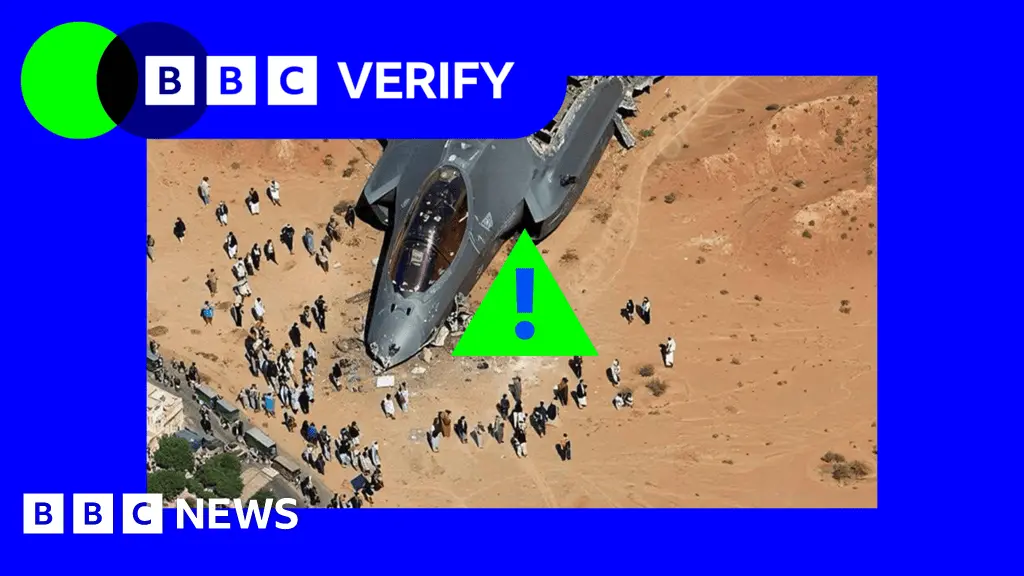
Iran war exposes AI technology as new weapon in cyber warfare against U.S. and Israel
11 Mar 2026•Technology

AI Fakes About Iran War Create Unprecedented Crisis of Reality on Social Media Platforms
14 Mar 2026•Technology

Recent Highlights



Recent Highlights
Today's Top Stories



Don’t drown in AI news. We cut through the noise - filtering, ranking and summarizing the most important AI news, breakthroughs and research daily. Follow topics that matter to you and stay ahead.


