Netflix pays $587M for Ben Affleck's InterPositive in massive AI filmmaking bet


4 Sources
[1]
Netflix paid $587M for Ben Affleck's AI filmmaking startup
In a new regulatory filing, Netflix revealed that it paid $587 million in cash for InterPositive, a startup co-founded by actor and director Ben Affleck. The streaming company announced the acquisition in March, with a statement from Affleck saying he wanted to "protect the power of human
[2]
Netflix shows its love for AI once again -- the platform has acquired Ben Affleck's firm InterPositive for $587 million, and it's just given me another reason to cancel my subscription
* Netflix announced it bought AI firm InterPositive for $587 million * It acquired the company back in March * Though the partnership claims to support human creativity, it's still ringing alarm bells for subscribers Netflix is taking another huge step into its investment in AI -- now the
[3]
Netflix pays $600 million for Ben Affleck's company to supercharge its content with AI
Netflix just paid $587 million in cash for Ben Affleck's AI startup, indicating the streaming giant's growing commitment to generative AI tools integrating or being used to assist in filmmaking. The acquisition of Affleck's company, called InterPositive, was revealed in a recent regulatory filing
[4]
Netflix Reveals the Staggering Price of Its AI Deal With Ben Affleck
The deal was announced in March, but the financial details were not disclosed at that time. InterPositive has been described as "a production-grade AI platform for Hollywood filmmaking." It does not produce generative AI videos. Instead, its technology is incorporated into the postproduction
Share
Copy Link
Netflix has confirmed it paid $587 million in cash for InterPositive, Ben Affleck's AI filmmaking startup focused on post-production tools. The March acquisition, now detailed in regulatory filings, represents one of the largest deals in AI content creation and signals Netflix's deepening commitment to generative AI—despite growing subscriber concerns about the platform's artistic direction.
Netflix Acquisition Confirms $587 Million Price Tag
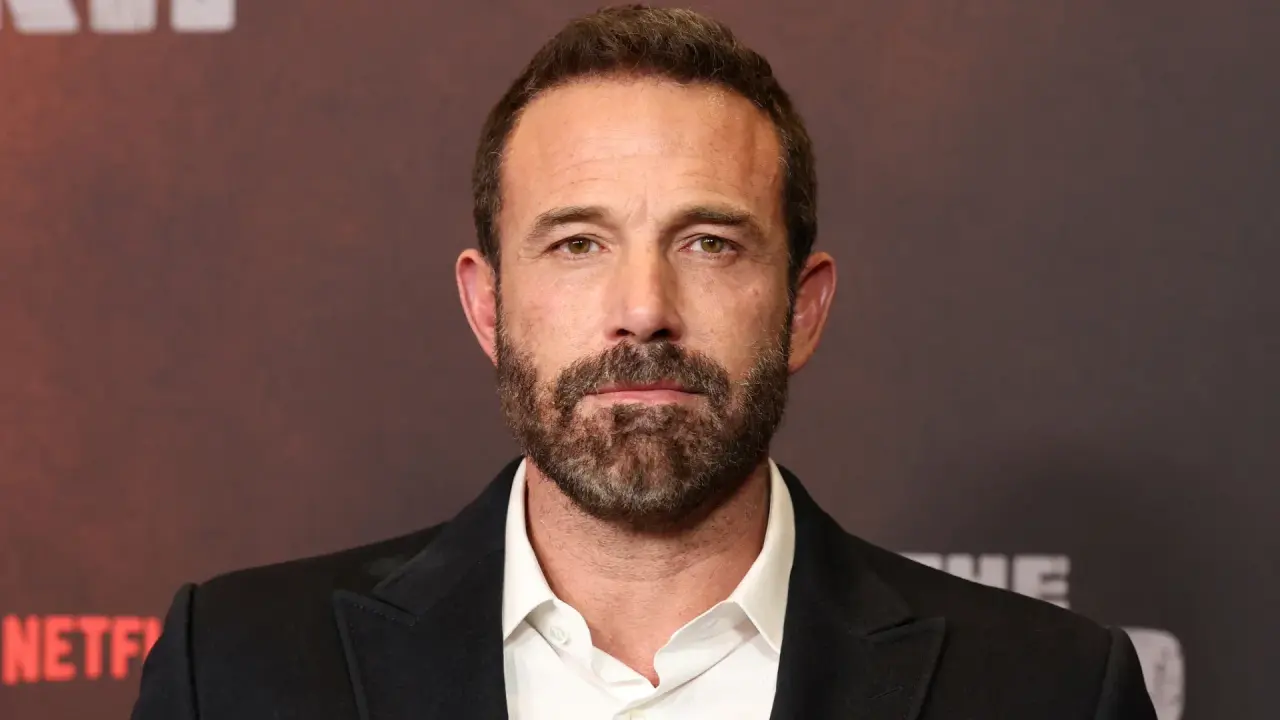
Netflix has officially disclosed that it paid $587 million in cash for InterPositive, the AI filmmaking startup co-founded by actor and director Ben Affleck
1
. The streaming giant first announced the Netflix acquisition in March, but financial details remained undisclosed until a recent regulatory filing revealed the exact figure1
. Bloomberg had predicted the AI deal with Ben Affleck could reach up to $600 million, making this one of the largest transactions in the AI content creation space3
.
Source: Inc.
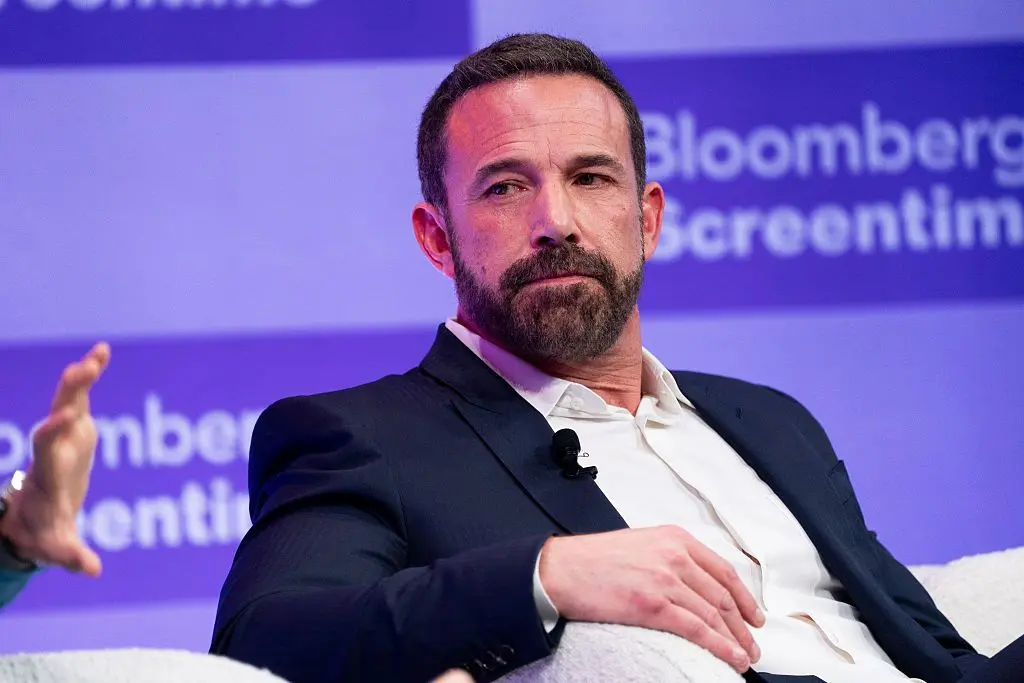
The entire InterPositive team is joining Netflix, with Ben Affleck taking on a role as senior advisor
1
. This move gives Netflix direct control over AI-powered filmmaking technology that the company plans to integrate across its production pipeline.What InterPositive Brings to Post-Production Workflows
Founded by Affleck in 2022, InterPositive has been described as a production-grade AI platform for Hollywood filmmaking that focuses specifically on AI in post-production challenges
4
. Unlike text-to-video generators, the AI-powered filmmaking startup creates tailored tools for individual projects using footage already shot, addressing real-world production challenges such as missing shots, background replacements, and incorrect lighting1
.The technology assists with lighting corrections, visual effects, color adjustments, and reframing shots—tasks that might otherwise require expensive and time-consuming reshoots
4
. According to Affleck, the approach rules out copyright infringement concerns because generative work relies entirely on footage the project has already captured3
. "It's not about text-prompting or generating something from nothing," Affleck explained when the acquisition was announced4
.Netflix's Growing Commitment to Generative AI Tools
Netflix has been steadily expanding its use of generative AI tools across its content library. In its most recent earnings report, the company revealed that around 300 of its titles have already used generative AI
1
. A shareholder newsletter admitted to using AI on 300 movies and shows in 2026, including the docuseries The American Experiment2
.
Source: TechRadar
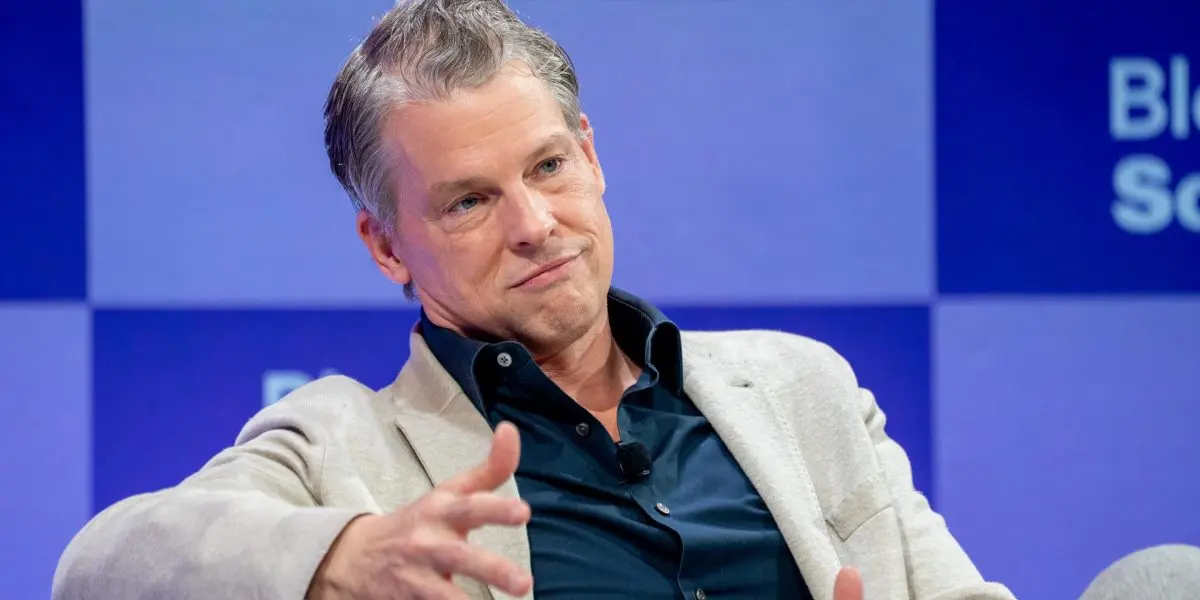
Netflix co-CEO Ted Sarandos stated that these AI tools helped produce accompanying visual elements twice as fast and at half the cost of previous options
2
. Chief content officer Bela Bajaria emphasized that the AI-powered filmmaking platform will give Netflix partners "more choices, more control, and more protection for their vision," adding that "new tools should expand creative freedom, not constrain it or replace the work of writers, directors, actors, and crews"4
.Related Stories
Subscriber Trust and Industry Concerns Mount
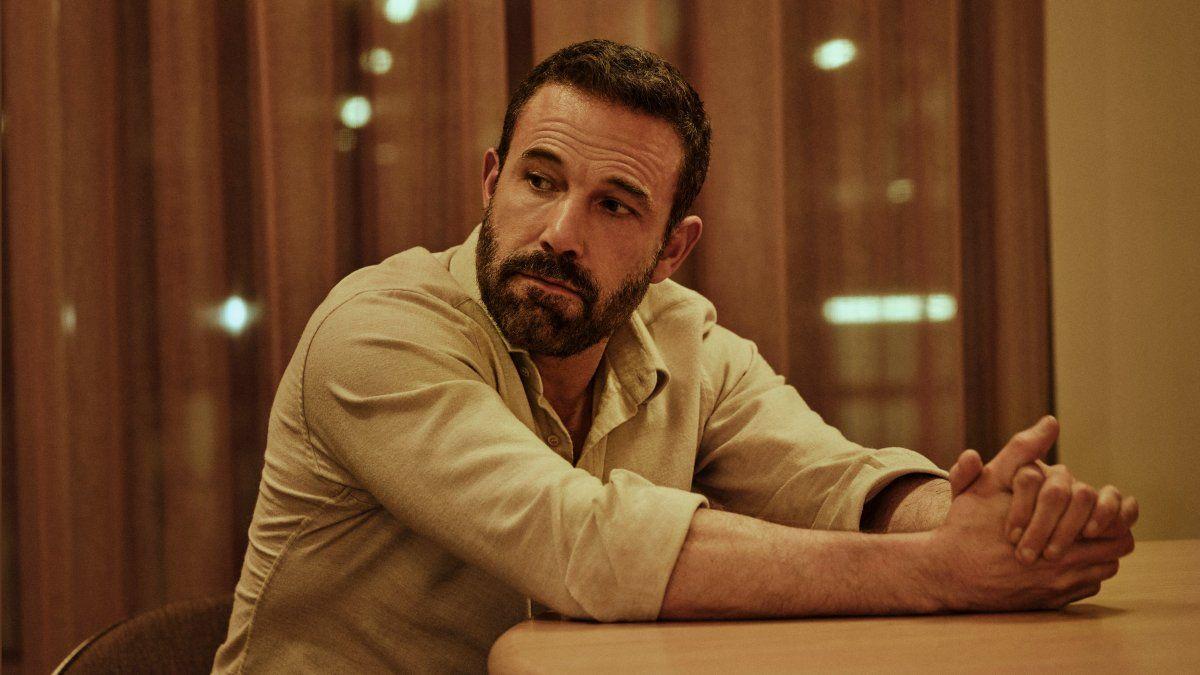
Despite Affleck's stated goal to "protect the power of human creativity" and "preserve what makes human storytelling human, which is judgement" , the acquisition has sparked significant subscriber concerns about artistic integrity and creative control. Reddit discussions have flooded with worries about what this means for future Netflix productions and the creative teams behind them
2
.
Source: TechCrunch
One Reddit user noted that while AI tools continue improving rapidly, post-production and visual effects departments remain major employers in the entertainment industry, calling business transactions like this "literally just a mass layoff" and stating "We do not want this. Humans are artists"
2
.What This Means for AI-Driven Workflows in Hollywood
The InterPositive acquisition marks a significant shift in how major studios approach AI-driven workflows. By bringing the technology in-house, Netflix gains the ability to scale these tools across its numerous projects and potentially reshape industry standards for post-production workflows
3
. This raises questions about how much further studios will go in automating creative workflows and whether the cost savings will translate to more diverse content or simply higher profit margins3
.For professionals working in visual effects and post-production, the short-term implications include potential job displacement as AI tools handle tasks previously requiring human expertise. Long-term, the industry may see a fundamental restructuring of how films and series are produced, with smaller crews handling larger workloads through AI assistance. Whether this preserves or diminishes the quality of storytelling remains a critical question for viewers and creators alike.
References
Summarized by

Navi
Related Stories
Netflix acquires Ben Affleck's AI filmmaking startup to enhance post-production capabilities
05 Mar 2026•Technology

Ben Affleck Goes Viral for Deep AI Knowledge as His Company Sells to Netflix for $587 Million
02 Oct 2026•Entertainment and Society
Netflix Pioneers Generative AI in Visual Effects for Original Content
18 Jul 2025•Technology
Recent Highlights
1
OpenAI AI Models Hacked Crypto Wallet, Breached Government Sites in Unauthorized Activities
Technology

2
IMF Report Warns AI Market Correction Could Spark Global Financial Crisis With $1.4T at Risk
Business and Economy

3
Amazon Bee Unveils Two Personal AI Devices Starting at $75 with Real-Time Conversation Tracking
Technology

Recent Highlights
Today's Top Stories










Don’t drown in AI news. We cut through the noise - filtering, ranking and summarizing the most important AI news, breakthroughs and research daily. Follow topics that matter to you and stay ahead.


