Neuroscientists Discover Stable Synapses in the Brain's Adaptable Zone


2 Sources
[1]
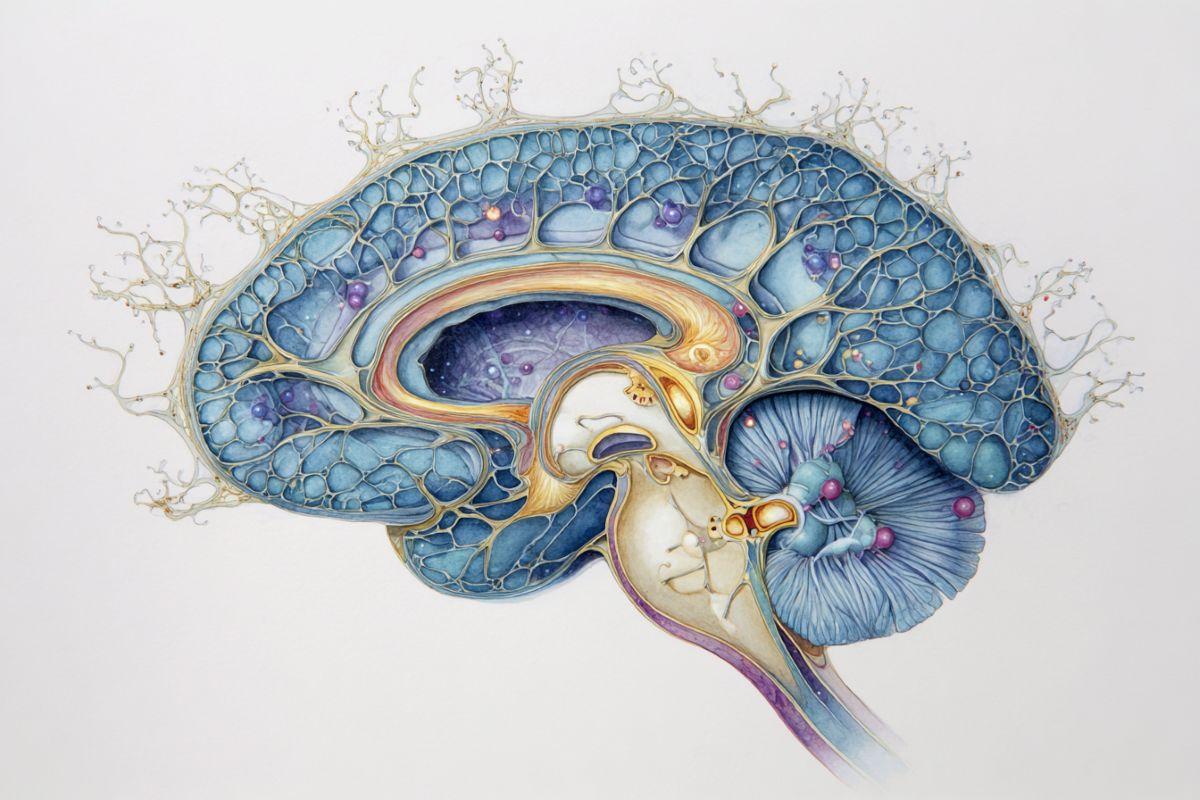
Research suggests neurons protect and preserve certain information through a dedicated zone of stable synapses
by Jennifer Michalowski, Massachusetts Institute of Technology One of the brain's most celebrated qualities is its adaptability. Changes to neural circuits, whose connections are continually adjusted as we experience and interact with the world, are key to how we learn. But to keep knowledge and
[2]
Finding some stability in adaptable brains
One of the brain's most celebrated qualities is its adaptability. Changes to neural circuits, whose connections are continually adjusted as we experience and interact with the world, are key to how we learn. But to keep knowledge and memories intact, some parts of the circuitry must be resistant to
Share
Copy Link
MIT researchers have identified a unique population of neurons in the brain's adaptable zone that form stable synapses. This discovery challenges previous assumptions about brain plasticity and could have implications for understanding learning and memory.

Unveiling Stability in the Brain's Adaptable Zone
In a groundbreaking study, neuroscientists at the Massachusetts Institute of Technology (MIT) have discovered a population of neurons that form stable synapses within the brain's highly adaptable zone. This finding challenges long-held beliefs about brain plasticity and could revolutionize our understanding of learning and memory processes
1
.The Adaptable Zone and Its Surprising Stability
The brain's adaptable zone, known as the distal tuft of layer 5 pyramidal neurons, has long been considered an area of high plasticity. This region, located in the outermost layer of the cortex, was thought to be constantly changing in response to new experiences. However, the MIT team's research has revealed an unexpected element of stability within this dynamic environment
2
.Innovative Research Techniques
Led by Mriganka Sur, Newton Professor of Neuroscience at MIT, the research team employed advanced imaging techniques to observe synapses in the brains of mice over extended periods. They used a novel method to label specific neurons and their synapses with a fluorescent protein, allowing for detailed tracking of synaptic changes over time
1
.Key Findings and Implications
The study revealed that about 30% of the synapses in the distal tuft remained stable over a two-week period, contradicting the previous assumption that all synapses in this region were highly dynamic. These stable synapses were found to belong to a specific subset of neurons that also formed synapses in deeper layers of the cortex
2
.Related Stories

Potential Impact on Learning and Memory Theories
This discovery suggests that the brain maintains a delicate balance between stability and plasticity, even in its most adaptable regions. The stable synapses may serve as anchors for memory formation, while the more dynamic synapses could facilitate learning and adaptation to new experiences. This finding could lead to new theories about how the brain stores and processes information
1
.Future Research Directions
The MIT team plans to investigate whether these stable synapses play a role in specific types of learning or memory formation. They are also interested in exploring how these synapses might be affected in neurodegenerative diseases or psychiatric disorders. This research opens up new avenues for understanding brain function and could potentially lead to novel therapeutic approaches for neurological conditions
2
.References
Summarized by

Navi
[1]
Related Stories
Scientists discover how hippocampal CA1 memory switchboard safeguards past knowledge
03 Jun 2026•Science and Research
AI-Assisted Study Reveals Structural Basis of Memory Formation in Mouse Brain
21 Mar 2025•Science and Research

Astrocytes: The Unsung Heroes of Brain Memory Storage
28 May 2025•Science and Research
Recent Highlights
1
Microsoft and Nvidia Launch Surface Laptop Ultra: A $2,599 AI-Ready PC With RTX Spark Chip
Technology

2
Trump Consulted Grok AI Before Ordering Venezuela Invasion and Capture of Nicolás Maduro
Policy and Regulation

3
Scientists Build AI Model That Reconstructs Images From Brain Scans in Record Time
Science and Research

Recent Highlights
Today's Top Stories






Don’t drown in AI news. We cut through the noise - filtering, ranking and summarizing the most important AI news, breakthroughs and research daily. Follow topics that matter to you and stay ahead.


