New Research Reveals Divided Opinions on Smartglasses: Privacy Concerns and Technological Potential


3 Sources
[1]
What do people think about smartglasses? New research reveals a complicated picture
Smartglasses, a type of wearable device, have evolved rapidly since the pioneering yet ill-fated Google Glass received social backlash in 2013. Early adopters were nicknamed "Glassholes", and the product never reached commercialization. No one could understand why people would want a weird-looking
[2]
What do people think about smartglasses? New research reveals a complicated picture
Monash University provides funding as a founding partner of The Conversation AU. Smartglasses, a type of wearable device, have evolved rapidly since the pioneering yet ill-fated Google Glass received social backlash in 2013. Early adopters were nicknamed "Glassholes", and the product never reached
[3]
What do people think about smartglasses? New research reveals complicated picture
Smartglasses, a type of wearable device, have evolved rapidly since the pioneering yet ill-fated Google Glass received social backlash in 2013. Early adopters were nicknamed "Glassholes", and the product never reached commercialisation. No one could understand why people would want a weird-looking
Share
Copy Link
A recent study highlights the contrasting views between smartglass owners and non-owners, emphasizing privacy concerns, social implications, and the need for regulation in this rapidly evolving technology sector.

Evolution of Smartglasses: From "Glassholes" to Mainstream
Smartglasses have come a long way since the ill-fated Google Glass in 2013. Initially met with social backlash and derogatory nicknames like "Glassholes," the technology has evolved significantly
1
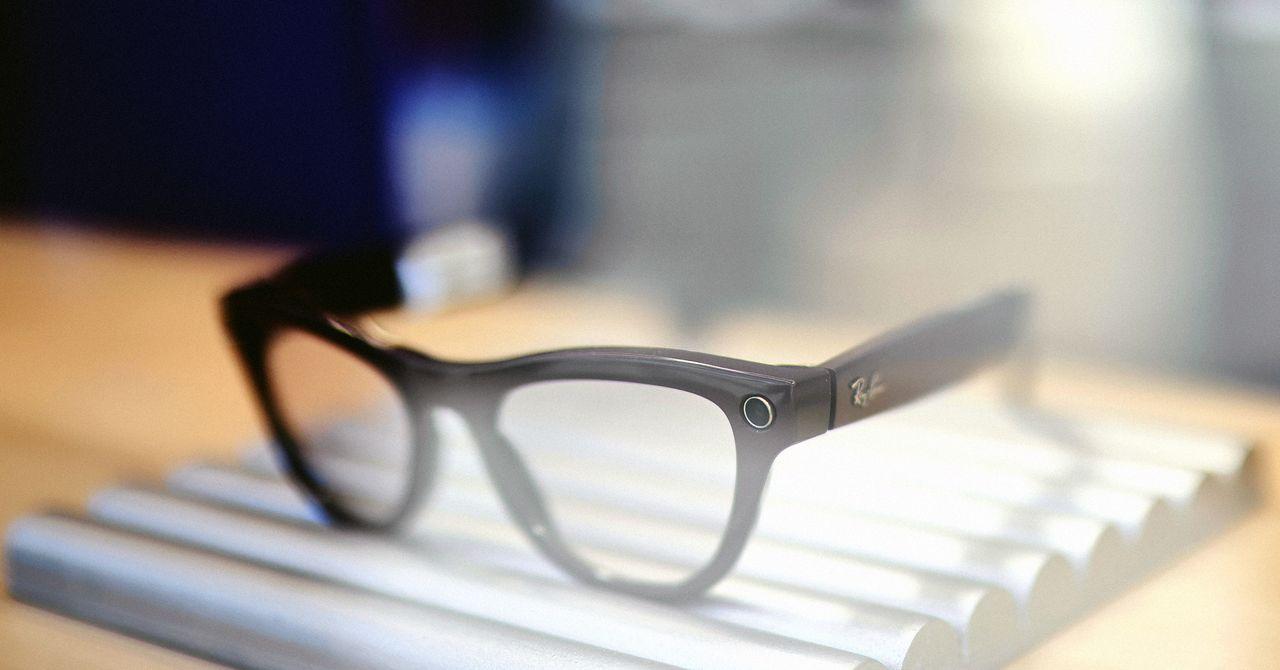
. Today's smartglasses, such as Meta's Ray-Ban Wayfarer Smart Glasses, are nearly indistinguishable from regular eyewear, contributing to a surge in sales over the past year2
.New Research Reveals Contrasting Perceptions
A recent study surveying 1,037 adult Australians has shed light on the diverse and polarized views surrounding smartglasses. The research, which aimed to address gaps in understanding the broader social risks and perceptions of these devices, revealed stark differences between owners and non-owners
1
2
3
.Key Findings: Owners vs. Non-Owners
-
Demographic Trends:
- Younger Australians are more likely to adopt smartglasses.
- 95.6% of smartglass owners know other owners, suggesting the formation of "in-groups"
1
2
.
-
Usage Patterns:
- Younger owners use their devices more frequently.
- Higher instances of risky behaviors, such as using smartglasses while driving or filming without consent, were reported among younger users
2
.
-
Perceptions:
- Owners view smartglasses as aligning with their self-image and social status.
- Non-owners express greater concerns about privacy and anti-social risks
1
3
.
-
Public Use:
- Non-owners are more likely to perceive wearing and using smartglasses in public as "rude, inappropriate, or offensive"
2
.
- Non-owners are more likely to perceive wearing and using smartglasses in public as "rude, inappropriate, or offensive"
Shared Views and Potential Benefits
Despite the differences, both groups recognize potential benefits of smartglasses, particularly in assisting people with sensory limitations
1
2
3
.Potential Bias in the Study
The researchers acknowledge potential bias in their findings:
- The survey was advertised on Facebook, possibly skewing towards tech enthusiasts.
- The high reported ownership rate (58.6%) likely doesn't reflect general public adoption
1
2
3
.
Related Stories

Growing Concerns and Need for Regulation
The study underscores the need for robust regulation to ensure safe and beneficial use of smartglasses. Key concerns include:
- Privacy issues related to surreptitious recording and photography.
- Recent incidents of advanced facial recognition software being installed on Meta's Ray-Ban smart glasses
1
2
.
Future Implications and Industry Growth
The smartglass industry is poised for significant growth, with the virtual and augmented reality headset market expected to reach $370 billion by 2034
1
2
3
. As the technology becomes more sophisticated, exemplified by Meta's cutting-edge AR glasses showcased at their annual conference, the need for comprehensive regulatory frameworks becomes increasingly urgent1
3
.Conclusion
The research highlights the complex landscape of smartglass adoption and perception. As these devices become more prevalent, policymakers must balance innovation with privacy, security, and public safety concerns. The future of smartglasses will likely depend on addressing these challenges while harnessing their potential benefits.
References
Summarized by

Navi
[2]
Related Stories
Meta Unveils Ray-Ban Display: A Leap Towards AI-Powered Smart Glasses
18 Sept 2025•Technology

Ray-Ban Smart Glasses Face Privacy Backlash Over AI Training and Recording Without Consent
16 Mar 2026•Policy and Regulation
Meta plans facial recognition for smart glasses amid privacy uproar over political timing
13 Feb 2026•Technology

Recent Highlights



Recent Highlights
Today's Top Stories



Don’t drown in AI news. We cut through the noise - filtering, ranking and summarizing the most important AI news, breakthroughs and research daily. Follow topics that matter to you and stay ahead.


