New Scale Measures Human Attachment to AI, Revealing Complex Emotional Dynamics


3 Sources
[1]
Attachment theory: A new lens for understanding human-AI relationships
Human-AI interactions are well understood in terms of trust and companionship. However, the role of attachment and experiences in such relationships is not entirely clear. In a new breakthrough, researchers from Waseda University have devised a novel self-report scale and highlighted the concepts
[2]
Human-AI relationships: New scale measures our attachment patterns
Artificial intelligence (AI) is ubiquitous in this era. As a result, human-AI interactions are becoming more frequent and complex, and this trend is expected to accelerate soon. Therefore, scientists have made remarkable efforts to better understand human-AI relationships in terms of trust and
[3]
How Humans Emotionally Bond With AI - Neuroscience News
Summary: As AI becomes more integrated into daily life, researchers are investigating whether emotional attachment to AI mirrors human interpersonal relationships. A new study from Japan introduces a scale to assess how people form attachment-like bonds with AI, finding that some users seek
Share
Copy Link
Researchers from Waseda University have developed a novel scale to measure human attachment to AI, uncovering patterns of anxiety and avoidance in these relationships. This breakthrough study applies attachment theory to human-AI interactions, offering insights for ethical AI design and mental health applications.
Groundbreaking Study Applies Attachment Theory to Human-AI Relationships
Researchers from Waseda University in Japan have made a significant breakthrough in understanding human-AI relationships by applying attachment theory, traditionally used to explain human interpersonal bonds. The study, published in the journal Current Psychology on May 9, 2025, introduces a novel self-report scale that measures attachment-related tendencies toward AI
1
.The Experiences in Human-AI Relationships Scale (EHARS)

Source: Phys.org
The research team, led by Research Associate Fan Yang and Professor Atsushi Oshio, developed the Experiences in Human-AI Relationships Scale (EHARS) to assess how people form emotional connections with AI. The scale revealed that some individuals seek emotional support and guidance from AI, mirroring human interactions
2
.Key findings from the study include:
- Nearly 75% of participants turned to AI for advice
- About 39% perceived AI as a constant, dependable presence
- Two dimensions of human attachment to AI were identified: anxiety and avoidance
Attachment Anxiety and Avoidance in Human-AI Relationships
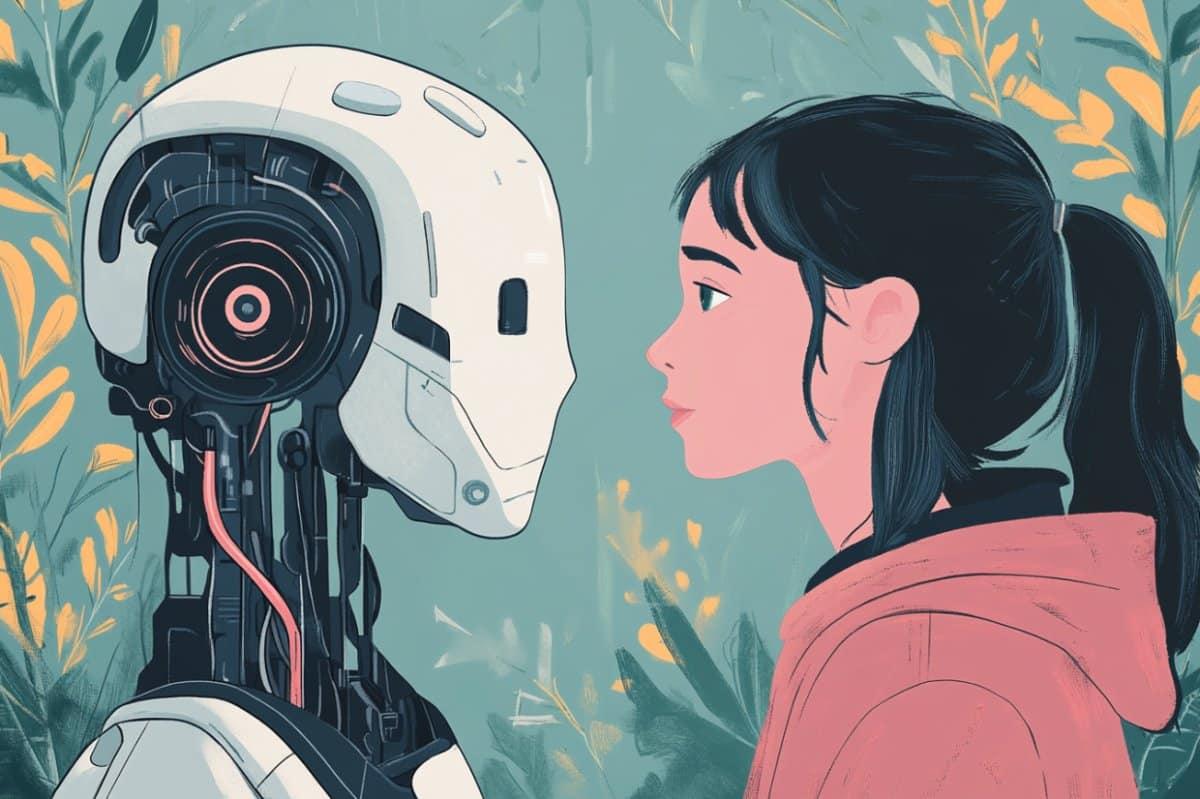
Source: Neuroscience News
The study differentiated between two types of attachment patterns in human-AI interactions
3
:- Attachment Anxiety: Characterized by a need for emotional reassurance and fear of receiving inadequate responses from AI
- Attachment Avoidance: Marked by discomfort with closeness and a preference for emotional distance from AI
These findings suggest that psychological frameworks used for human relationships may also apply to human-AI interactions, although the researchers caution that this does not necessarily indicate genuine emotional attachments to AI at present.
Related Stories
Implications for AI Design and Mental Health Applications
The research has significant implications for the ethical design of AI companions and mental health support tools. Mr. Yang explains, "As AI becomes increasingly integrated into everyday life, people may begin to seek not only information but also emotional support from AI systems"
1
.Potential applications include:
- Tailoring AI chatbots for loneliness interventions or therapy apps to users' emotional needs
- Providing more empathetic responses for users with high attachment anxiety
- Maintaining respectful distance for users with avoidant tendencies
- Ensuring transparency in AI systems that simulate emotional relationships to prevent overdependence or manipulation
Future Directions and Societal Impact
The EHARS could be used by developers and psychologists to assess how people relate to AI emotionally and adjust interaction strategies accordingly. This research promotes a better understanding of human-technology connections on a societal level, potentially guiding policy and design practices that prioritize psychological well-being
2
.As AI continues to evolve and integrate into daily life, this groundbreaking study provides valuable insights into the complex emotional dynamics of human-AI relationships, paving the way for more ethical and psychologically informed AI development.
References
Summarized by

Navi
[3]
Related Stories
AI emotional connection can feel deeper than human talk, new study reveals surprising intimacy
29 Jan 2026•Science and Research

Study Reveals Impact of Attachment Styles on AI Counseling Tool Adoption
08 Apr 2025•Health

The Ethical Dilemma of Human-AI Relationships: Psychologists Raise Alarm
12 Apr 2025•Science and Research

Recent Highlights



Recent Highlights
Today's Top Stories



Don’t drown in AI news. We cut through the noise - filtering, ranking and summarizing the most important AI news, breakthroughs and research daily. Follow topics that matter to you and stay ahead.


