Norway becomes first country to propose temporary ban on AI glasses in public spaces


13 Sources
[1]
AI glasses face their first major government crackdown
Norway has become the first major country to propose a temporary ban on the use of AI glasses in selected public places amid growing privacy concerns over wearable technology. The rich Scandinavian country's center-left government said on Monday that it would introduce a law to parliament soon on
[2]
Norway is first to propose temporary ban on AI glasses in public places
Norway has become the first major country to propose a temporary ban on the use of AI glasses in selected public places amid growing privacy concerns over wearable technology. The rich Scandinavian country's centre-left government said on Monday that it would introduce a law to parliament soon on
[3]
Norway seeks temporary ban on smart glasses as privacy concerns rise
A trip to the park. A day at the beach. A workout session at the gym. All in public spaces where smart glasses can snap photos, record conversations or stream video online -- without people in the line of their lenses and microphones knowing about it. Norway's government wants to get a handle on
[4]
Norway wants to temporarily ban smart glasses in parks, beaches, and schools
Serving tech enthusiasts for over 25 years. TechSpot means tech analysis and advice you can trust. The Worst Spectacle: Smart glasses are becoming an increasingly popular wearable for use in public, and privacy is paying the price. Authorities are looking for new regulatory frameworks to curb
[5]

Norway plans temporary ban on AI glasses in parks, schools and gyms
The government will also set up an expert group to advise on permanent rules for camera-equipped wearable tech. Norway's government plans to ban the use of AI glasses in selected public places for a limited time and announced the plan today, saying that people could be filmed or recorded without
[6]

Norway plans temporary ban on smart glasses in some public places
Camera-enabled Meta spectacles are already restricted in UK and US because of fears about covert recording Norway is planning a temporary ban on smart glasses in some public places, amid rising global concern at the spread of the AI-enabled recording devices. The Oslo government is planning a
[7]

Norway floats temporary but total ban on AI glasses as it investigates 'socially beneficial uses' | Fortune
Norway's government wants to get a handle on both the promise and peril of AI glasses, and is proposing that parliament enact a temporary ban on them in some places. It's the latest sign of growing concern in many countries about new technologies that are fundamentally changing the way people
[8]

One country is mulling a temporary AI glasses ban, and gyms are on the list
Someone filming you at the beach is one thing. Not knowing it's happening is another. Norway's government says it plans to propose a temporary AI glasses ban in some public places, according to The Associated Press. The government's worry is people recording others without them noticing.
[9]

Norway Seeks Temporary Ban on Smart Glasses as Privacy Concerns Rise
A trip to the park. A day at the beach. A workout session at the gym. All in public spaces where smart glasses can snap photos, record conversations or stream video online -- without people in the line of their lenses and microphones knowing about it. Norway's government wants to get a handle on
[10]

Norway mulling temporary ban on smart AI glasses. Here's all we know
Norway's government is considering a temporary prohibition on smart AI glasses to tackle rising privacy concerns. The primary focus lies on sensitive areas such as healthcare facilities, educational institutions, and public gatherings, where the need for privacy is critical. Officials are
[11]
Norway to Propose Temporary Ban on AI Glasses in Some Public Places
COPENHAGEN, Oct 5 (Reuters) - Norway's government said on Monday it plans to propose a temporary ban on the use of AI glasses in selected places, saying it is concerned people could be photographed, filmed or audio-recorded without their knowledge. The proposal mirrors a broader global
[12]
Norway AI glasses ban: Norway to propose temporary ban on AI glasses in some public places
Ban could apply to places where the public regularly gather, such as parks, beaches, museums, shopping centres and public events, the government said in a statement Norway's government said on Monday it plans to propose a temporary ban on the use of AI glasses in selected places, saying it is
[13]

Privacy concerns put smart glasses under scrutiny as Norway seeks temporary ban
A trip to the park. A day at the beach. A workout session at the gym. All in public spaces where smart glasses can snap photos, record conversations or stream video online -- without people in the line of their lenses and microphones knowing about it. Norway's government wants to get a handle on
Share
Copy Link
Norway's government announced plans to introduce a temporary ban on AI glasses in parks, beaches, schools, and other public places where people risk being filmed without consent. Digitalisation Minister Torgeir Micaelsen said the measure will allow time for thorough assessment and informed debate before permanent regulations are established.
Norway Leads Global Crackdown on AI Glasses
Norway has positioned itself at the forefront of AI governance by becoming the first major country to propose a temporary ban on AI glasses in selected public places. The center-left government announced on Monday that it will introduce a draft law to parliament as soon as possible, targeting locations such as parks, beaches, schools, kindergartens, museums, shopping centers, and public events.
1
2
The proposal also extends to healthcare facilities, fitness centers with changing rooms, playgrounds, youth clubs, and potentially public concerts and sporting events.3
Privacy Concerns Drive Regulatory Action
Torgeir Micaelsen, Norway's digitalisation minister, expressed deep concerns about the introduction of powerful new technology where people risk being photographed, filmed, or recorded without their knowledge. "We do not want a society where people are concerned about hidden audio recordings, photography and filming in places and situations where they are used to being without being monitored," Micaelsen stated.
1
2
He emphasized that such a society could be experienced as unsafe and cause people to withdraw from public life. The temporary ban will give authorities time to conduct a thorough assessment and hold an informed debate that can lay the foundation for permanent regulation.5

Source: Fortune
Growing Backlash Against Wearable AI Devices
Parts of Norwegian society have already implemented their own restrictions on AI-powered smart glasses. Schools in Oslo, the capital city, have enforced a total ban on the devices.
4
Equinor, Norway's biggest company and an oil and gas major, has banned AI glasses from both its offices and offshore facilities.1
These preemptive measures highlight widespread anxiety about unauthorized filming and recording in spaces where privacy is particularly important.International Momentum for Smart Glasses Restrictions
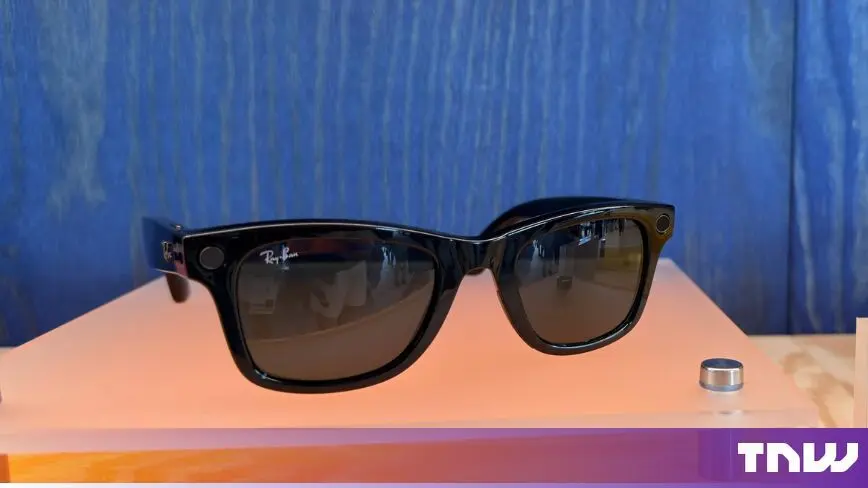
Governments around the world are grappling with how to regulate wearable tech, including Meta Ray-Ban smart glasses and cheaper copycat devices, amid worries about their AI-enabled recording capabilities being used to film people without consent.
2
Australia is considering a ban on smart glasses in certain public spaces, while courtrooms in several countries, including New York, have already issued bans as the use of wearable technology increases.1
4
Dutch eyewear chain Hans Anders recently stopped selling Meta's Ray-Ban glasses in the Netherlands and Belgium, and several UK venues have begun banning the devices.5
Source: The Next Web
Tech Industry's Vision Meets Regulatory Reality
US tech companies such as Meta, Google, and OpenAI believe wearable technology has the potential to replace mobile phones as our main gateway to AI innovation. They argue that talking to AI—which will listen to people's conversations and daily life—is easier than opening an app and typing in queries.
1
Analysts at Counterpoint Research estimate consumers will spend more than $1 trillion between 2026 and 2032 on wearable devices.2
However, this optimistic forecast collides with widespread privacy concerns about what such smart glasses could see or hear, leading some campaigners to dub them "pervert technology."1
Related Stories
Scope and Implementation of Norway's Proposal
The Norwegian government clarified that it does not want to propose a total ban on AI glasses. Private use and situations where there is no risk of filming people without their consent would still be allowed.
2
3
The government is also considering exceptions for vulnerable groups to permit "socially beneficial uses" of smart glasses in some circumstances.3
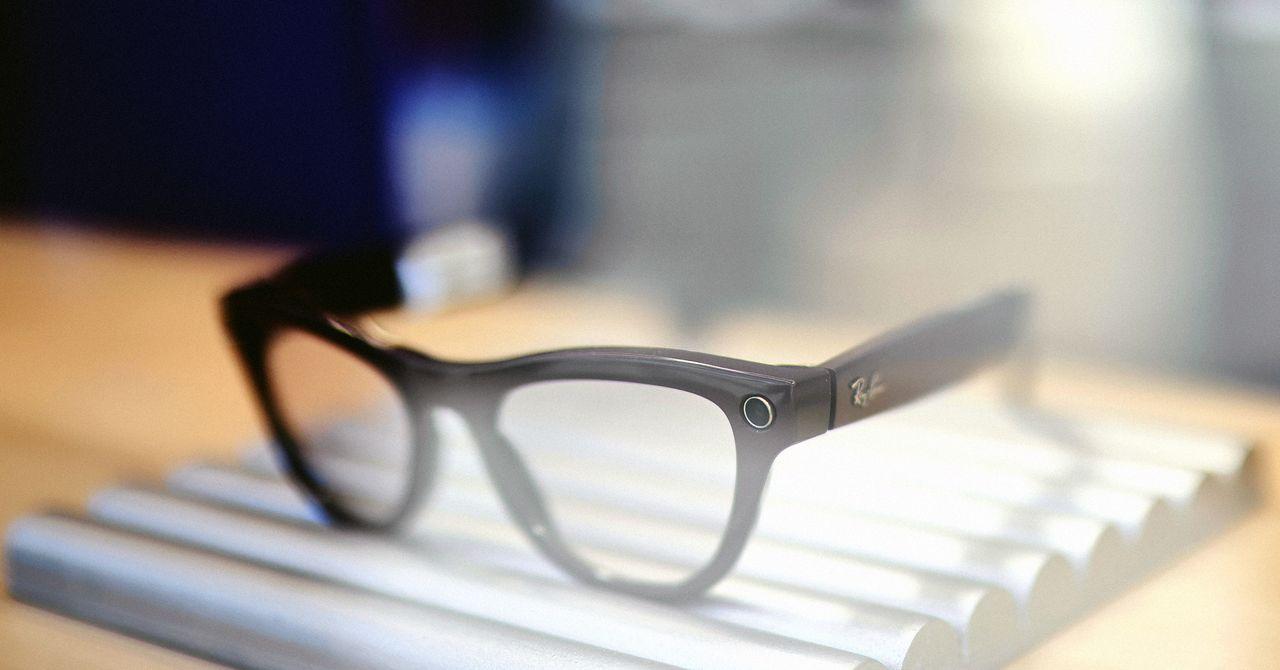
Authorities have not yet decided which specific devices the ban would cover—whether it applies to glasses with just a camera and microphone, glasses with camera and AI features, or other body-worn tech with similar capabilities.5
The government has designated the proposed ban as a "high priority" and will also set up an expert group to propose permanent national rules.1
5

Source: Ars Technica
What This Means for the Future of Wearable Tech
Norway's move signals a potential turning point in how democracies balance AI innovation with individual privacy rights. The ban on smart glasses in public places could establish a regulatory template that other nations may follow, particularly as concerns about surveillance and unauthorized filming intensify. Watch for how tech companies respond to these restrictions and whether they introduce new privacy safeguards to address government and public concerns. The expert group's recommendations for permanent regulations will likely influence global standards for wearable AI devices, potentially reshaping the $1 trillion wearable tech market forecast. As Torgeir Micaelsen recently became Norway's digitalisation minister about four weeks ago, his predecessor had not backed such restrictions, suggesting a significant policy shift.
5
The success or failure of Norway's approach will determine whether other governments adopt similar measures or pursue alternative frameworks for managing the tension between technological advancement and privacy protection.References
Summarized by

Navi
[1]
Related Stories
Norway Considers Ban on Smart Glasses That Record People Without Consent
03 Sept 2026•Policy and Regulation

AI Smart Glasses Face Growing Privacy Concerns and Regulatory Scrutiny Across Europe
12 Sept 2026•Policy and Regulation

Ray-Ban Smart Glasses Face Privacy Backlash Over AI Training and Recording Without Consent
16 Mar 2026•Policy and Regulation
Recent Highlights



Recent Highlights
Today's Top Stories






Don’t drown in AI news. We cut through the noise - filtering, ranking and summarizing the most important AI news, breakthroughs and research daily. Follow topics that matter to you and stay ahead.


